
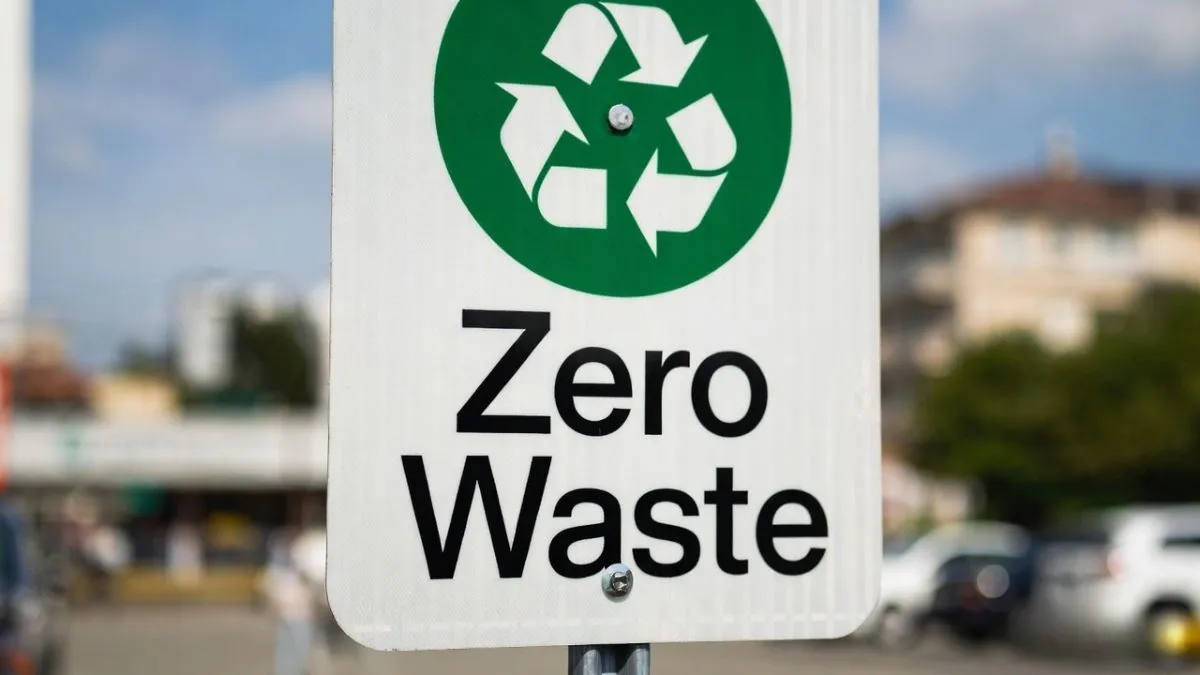
With landfills reaching capacity and climate change being a major issue, a zero waste lifestyle is one way to impact change. This is not a trend it’s awareness of the waste we generate and trying to minimise it. I’ve been writing about sustainability for a long time and I’ve seen zero-waste go from a little movement to something a lot of people are into. Bea Johnson, author of Zero Waste Home, is among those showing the way. Showing us there’s another way to live. The zero-waste lifestyle is based on the “5 Rs”: refuse, reduce, reuse, recycle and rot. If we stick to these principles we can make a difference to the environment.
The Zero Waste Path
Zero-waste isn’t about perfection, it’s about progress. The idea is to avoid single use plastics and think twice before you buy something, and a lot of packaging. We have to ask ourselves, do I really need this? Does it do more than one thing well? Will it last? It’s this attitude that allows us to become more aware and make choices. For example, replacing a disposable cup with a stainless steel one can make a big difference. Waste is a big problem.” If left unchecked, plastic production could double by 2040. To start our zero waste journey we have to look at how we behave and find things we can do better. The average American throws away 4.9 pounds of garbage every day. This is a lot of… It’s on us to change it.” I think taking control of our waste is empowering. Guilt can lead to action.
Practical Zero Waste Tips for Everyday Life
Most of the waste in our homes comes from the kitchen, so it’s a good place to start making changes. We can cut down on bags with beeswax wraps and bulk bins. Or we can buy produce in bags and jars when we shop. Composting kitchen scraps can also keep a lot of waste out of dumps. Nutrients feed our gardens. In the bathroom we can exchange shampoo bars for soap, bamboo toothbrushes and refillable soap dispensers. Eco-companies like Lush sell these kinds of products widely. We also have second hand shops to buy from. Join a clothing exchange to fight waste from fast fashion. We should try to bike or carpool if possible to lower emissions. It’s easy to follow these zero waste tips. They might actually save us some bucks. If we know what we are buying we can cut our grocery bills by 20-30%.
Challenges in Implementing Zero Waste and How to Overcome Them
Going zero waste isn’t always simple. There are many things in the world around us that come in plastic packaging. Alternatives are hard to find. Some people may think zero waste is for people with lots of money but that is not true. We can make our own cleaning products from vinegar and bicarb. It’s really cheap. The more people involved in the zero-waste movement, the easier it is to make change.” There are apps like Litterati that connect people working toward zero-waste. We can have fun with our families by making it into a game or a challenge. Zero-waste strategies are already being used in some parts of the world, such as the purchase of spices and grains in bulk in India. The trick is to be patient, and to begin with changes. We can start with one area. Let’s say plastics. Then go on with other things. We need to track our progress and recognize our wins.
Health & Environmental Benefits of Zero Waste Lifestyle
Advantages of Zero Waste Lifestyle There are a lot. Reducing our use of plastics can also reduce our exposure to toxins such as BPA which can be detrimental to our health. Eating food not wrapped in plastic can be better for us, too. Zero waste living can save a lot of resources environmentally. For example, it takes a lot of water to make a cotton t-shirt. We can reduce that demand by reusing or repurposing our old clothes. Less pollution means plants and animals can live. One study estimates that the circular economy, which is based on zero-waste principles, could deliver a lot of value by 2030. I also found that living zero-waste can be great for our health and well-being. It can make us more focused and less anxious.
Zero-Waste in a Global Context: Special Opportunities for India
Zero-waste is very much in sync with many of the Indian cultural practices like eating seasonal food and using cloth bags. Some cities like Indore in India are already doing a good job of dealing with waste and composting. But urbanization generates a lot of waste and there are still challenges. And there’s lots of room for innovation, like terracotta packaging and upcycled fashion. Locals give tips for zero-waste living, like ragi dough balls instead of plastic-wrapped bread, and composting on rooftops. The EU ban on single-use plastics is inspiring. India has come out with new Plastic Waste Management Rules. As a writer, I see people, including plumbers and electricians, using reusable tools and promoting sustainability.
Building a Zero Waste Community for the Future
Zero waste is not about what you do as an individual, it is about what we do as a community. We can make a change through challenges like Plastic Free July or local swap meets. We should also back companies that offer choices and green products. Technology can help us cut waste, for example, apps that save extra food. The zero-waste lifestyle may lead to things like regenerative agriculture and repair cafes. We need policies to support these changes, and to hold corporations accountable for their waste. As writers we can tell these stories. Recruit others into the cause.
Final thoughts: Start your zero waste journey today
Zero waste is not a chore, it’s a lifestyle in simple and sustainable living. We can buy time and money and peace. We can start small, like cleaning out one drawer today. Don’t waste Zero waste is a choice for our children and for our planet. That’s a legacy pick. What’s the first thing we can do today?
FAQs:
1. What is zero waste living?
The zero waste lifestyle is about changing to reduce waste. The 5 Rs will help you do this. Refuse what you don’t need, reduce what you consume, reuse what you have, recycle properly and rot or compost things. It’s about being conscious of the way you live and not sending anything to landfill. You can do this by making changes such as using reusable bags and buying things in bulk.
2. How can a beginner start the zero waste lifestyle?
First, you should look at what you throw. Track your trash for one week to see what you’re wasting. Begin with one area, such as the kitchen. Put things in mason jars and cloth napkins. Bulk purchase Produce bags: Use reusable bags. You can also compost your food waste. There are apps like ZeroWasteChef to help you with this process.
3. Practical tips for a zero waste kitchen
There are simple ways you can cut back on the waste in your kitchen. You can swap the plastic wraps with beeswax wraps. Purchase grains and other foods in bulk. Put them in glass jars. Compost vegetable peels. Grow your own herbs to reduce the amount of packaged produce you buy. Plan your meals to reduce your food waste and save you money on your grocery bill.
4. Is zero waste lifestyle costly?
No zero waste living is not expensive in the run. In fact it can save you some money. For example, a simple way to start is with reusable straws. Bulk foods are generally less expensive than packaged foods. Using vinegar to make your cleaners can save you hundreds of dollars a year as well. Buying clothes at thrift stores is much cheaper than buying new ones.
5. Can families with kids go zero waste?
Yes, it’s possible for families with kids to go zero waste. Make it fun for your kids. Make it a game. For instance, you can do a “treasure hunt” for things or decorate jars together. Silicone pouches are great for snacks and cloth diapers too. Teaching your kids about sustainability can be done by involving them in gardening.
6. What are the environmental benefits of living zero waste?
Living zero waste is good for the environment. It reduces the volume of methane in landfills, a potent greenhouse gas. It also conserves resources like water. It takes a lot of water to produce one T-shirt. Zero waste living can also help reduce plastic pollution in our oceans. If we all make a change, we could keep millions of tons of waste out of the world by 2040.
7. How does zero waste work in places like Indore, India?
In some cities like Indore, people buy vegetables and spices in open markets without any packaging. Example of home composting: The city’s waste segregation model. People use cloth bags, terracotta packaging. Apps are helping to promote zero waste practices in stores as cities grow.
8. What are the mistakes to avoid in zero waste?
A common mistake is to try to be perfect. This can lead to burnout, so better to start small. Don’t buy things just because they’re labelled “recyclable”. Try to reason with them. Beware of “greenwashing,” too. Search for products that are truly reusable. It’s a good idea to review your progress every month to keep motivated and make changes if needed. Remember zero waste living is about reducing waste not being perfect.

Digital entrepreneur and content expert I help businesses with AI, SEO and the latest tech trends. I started Silicon Valley Weekly to make complex tech concepts easy to understand and use for business growth. I know a lot about systems and help startups, entrepreneurs and brands navigate the fast-changing world of tech and online marketing.
I build strategies that use data, search optimization, content marketing and AI tools to get visibility, engagement and revenue. I love finding ways for businesses to grow increasing their presence and turning new ideas into successful businesses. My goal is to connect the technology, with practical business use so brands can succeed online.