Social media has gone beyond being just a way to talk to people. It has become a central part of many people’s lives, shaping how they live, shop, dream, and show themselves to the world. What started as a way for college students to share news about their campuses has grown into a full-fledged ecosystem that affects fashion choices, where people eat, where they travel, what they want to do for a living, and even the most basic parts of who they are. This change is not just a change in how people use technology; it is also a deep change in how modern society makes sense of things, builds communities, and decides what it means to live a meaningful life.
The Change From Connection to Curation
The evolution of social media’s function in contemporary society demonstrates a methodical progression from basic communication to extensive lifestyle curation. In the early days of the platform, social media was mostly used as a digital address book and a place to post status updates. But as algorithms got better and the user base grew beyond college students, these platforms saw an opportunity that had not been taken: they could become the main way that people organize and show off their whole lives.
This change didn’t happen by chance; it was a planned response to market needs and user behavior. As people spent more and more time on these sites, the line between their online and offline lives became less clear. Users learned that social media was a place where they could not only share parts of their lives but also build an idealized version of themselves that they could carefully control, filter, and optimize for validation. It turned out to be a complex system in which lifestyle curation and identity construction became one and the same, and the platforms themselves became the main stage for modern life.
The Aesthetic Economy and How People Shop
One of the most important ways that social media has become a part of everyday life is by having a big effect on how people buy things and creating what sociologists call the “aesthetic economy.” More and more, people are buying things not because they need them, but because they want to show them off on social media. The quality of the drinks isn’t the only thing that makes a coffee shop valuable. The way it looks and how photogenic it is also matter. Not only do fashion choices show what you like, but they also show how visible and influential you are on social media.
This trend has led to the rise of a new type of worker: influencers and content creators. Their main job is to live aesthetically pleasing lives that will get people to interact with them. These people are like modern-day curators of lifestyle aspirations. Their financial success depends on how well they can make buying things seem easy, real, and desirable. The effects on the tourism, hospitality, and retail industries have been huge. If a place gets a lot of attention on social media, it can quickly become a tourist destination. On the other hand, if an established tourist attraction doesn’t meet Instagram’s visual standards, it can have a hard time attracting visitors.
This new focus on aesthetic value is a big change in how societies give meaning and status. In the modern lifestyle hub, visual currency, narrative appeal, and algorithmic compatibility are becoming more important than traditional signs of status like educational credentials, professional titles, or material wealth.
Building a Community and Feeling Like You Belong
Social media has changed the way communities form and how people feel like they belong in a big way, in addition to being a tool for consumers. Algorithmic communities based on interests, aesthetics, and values are adding to and, in many cases, replacing traditional community structures like geographic proximity, institutional affiliation, and shared professional interests.
People who want to live sustainably can find thousands of other people who feel the same way on different continents. These people form micro-communities with their own rules, language, and values. These communities really help people mentally by giving them a sense of belonging, validation, and purpose. For a lot of people, especially those whose identities don’t match those of their geographic communities, social media has made it easier than ever to find people who have had similar experiences and points of view.
But this change in the structure of the community is very complicated. Algorithmic communities are good at bringing people with similar interests together, but they often reinforce what people already believe instead of challenging it. The “filter bubble” phenomenon, in which algorithms gradually show users content that matches their current interests, can create echo chambers that keep people from seeing different points of view. Also, the strong emotional attachment to these algorithmically-mediated communities can lead to dependence and mental health problems when online validation systems break down or when toxic community dynamics arise.
There is a basic contradiction at the heart of social media as a lifestyle hub: trying to be real in a medium that is always curated. People and brands today put a lot of value on “authenticity,” and they are always trying to show that they are real and unfiltered. But the medium itself requires performance. Every picture is chosen, every post is edited, and the version of life shown is always made up.
This paradox of authenticity has grown more complex over time. Early Instagram praised polished perfection, but modern social media has praised fake authenticity more and more. For example, the “unfiltered” selfie (taken with multiple tries), the “candid” shot (planned and posed), and the vulnerable confession (strategically shared). This change has made it harder for users to tell which presentations are real and which are planned.
The authenticity paradox also has psychological effects on people who feel the need to keep up with multiple competing versions of themselves. Studies have increasingly shown links between heavy social media use and anxiety, depression, and low self-esteem, especially in younger people who have never lived in a world without these sites. The constant pressure to make one’s life better for digital consumption can make people feel like they don’t know what they really want because of all the curation.
Economic Effects and Content Capitalism
The change of social media into a lifestyle hub has led to what could be called “content capitalism.” This is an economic model in which the line between work and play, between living and making content, has become unimportant. Affiliate marketing, influencer culture, and sponsored content have all led to the rise of an entire economic layer based on making money from people’s lifestyles.
This has made some economic opportunities more accessible to everyone. People can now make a lot of money by making content without having to go through traditional channels or credentials. Someone with great looks or a fun personality can make as much money as a professional. But this same structure of opportunities has led to new types of instability. Income is based solely on algorithmic favor and audience engagement, both of which are unstable and ultimately controlled by platform companies.
Also, the rise of lifestyle content has led to new kinds of inequality. More and more, creating content requires not only talent or hard work, but also social and economic capital. This includes access to beautiful places, extra money to buy aspirational products, and free time to write interesting stories. So, even though social media talks a lot about making things more equal, it often makes economic inequalities worse.
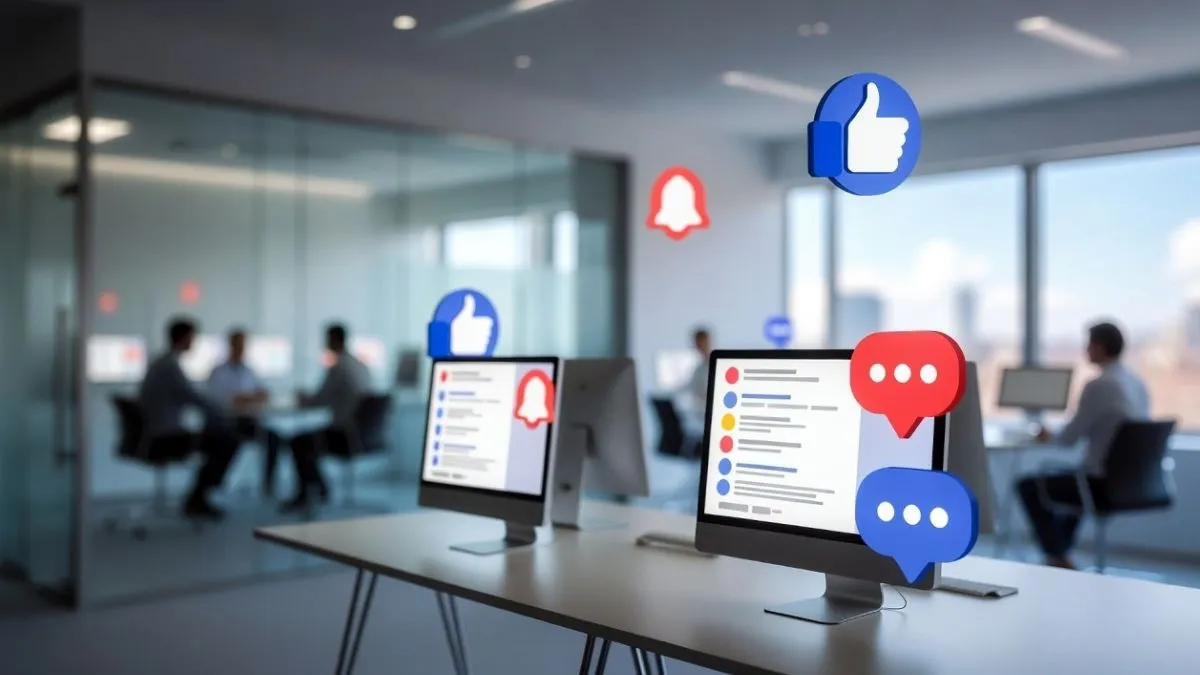
To see social media as a lifestyle hub, you need to look at the psychological reasons why these sites are so popular. Social media is different from other types of media because it is interactive and has games. The validation architecture—likes, comments, and shares—sets up reward schedules that come and go, which behavioral psychologists have known for a long time are very strong motivators.
When someone shares something about their life, the uncertain reward of social validation makes their brain release dopamine in a way that is similar to gambling. This mental process, along with the platform’s algorithmic curation, makes strong habit-forming loops. People check platforms several times a day, not always to read specific content, but to see if their last post got any likes.
This design is very powerful because it directly meets basic human needs for belonging, status, and self-esteem. Instead of trying to meet these needs, social media sites have smartly placed themselves within them. The lifestyle hub is no longer just an extra part of life; it is now the main way that basic human needs are met or not met.
Digital health and what it means for the future
As social media becomes more of a lifestyle hub, important questions about sustainability and well-being come up. The current model has caused a lot of bad things to happen, like mental health problems, broken attention, loss of social skills in real life, and environmental costs from the consumption it promotes.
A digital wellness movement is starting to take shape in modern culture. People and organizations are starting to question the idea that constantly curating and sharing is the best way to live. Digital minimalism, purposeful technology usage, and “dopamine detoxes” signify an increasing recognition that the lifestyle hub paradigm may incur more costs than advantages.
In the future, the relationship between people and social media as lifestyle platforms will probably become more thoughtful. Instead of just going along with what the platforms say, we can expect people to think more carefully about how these tools fit into their daily lives. This could mean using technology to make privacy settings better and algorithms that aren’t as manipulative. More importantly, though, it could mean having cultural conversations about the kind of lifestyle we really want—curated or lived, shared or private, algorithmic or autonomous.
Social media has definitely become a central part of modern life, changing how people eat, make friends, find meaning, and form communities. This change has made real chances for people to connect, be creative, and take part in the economy. At the same time, it has created problems like psychological dependency, making inequality worse, and breaking up real selfhood.
It is unlikely that the future will see a return to the way people used to curate their lifestyles before social media, or an uncritical acceptance of platform mediation. Instead, society will probably move toward a more connected and aware relationship with these tools. People will recognize both their power and their costs, and both individuals and platforms will be held accountable for the lifestyle ecosystems they create. It’s not a question of whether social media will continue to be a place where people live; it’s a question of how that role will be negotiated, critiqued, and reimagined as we all try to figure out what it means to live well in a world that is becoming more digital.
FAQs:
1. How has social media changed lifestyle definition?
It has transformed lifestyle from a private experience into a public, curated performance shaped by trends, aesthetics, and engagement metrics.
2. Difference between authentic and curated content?
Authentic content reflects real moments, while curated content is planned and edited—but both often overlap due to selective sharing.
3. Why do influencers impact behavior so strongly?
They blend relatability with aspiration, using social proof, emotional connection, and algorithmic reach to shape choices.
4. How do algorithms affect lifestyle perception?
They show content based on engagement, reinforcing preferences and creating the illusion that certain lifestyles are universally desirable.
5. Mental health effects of heavy social media use?
Linked to anxiety, low self-esteem, poor sleep, and comparison stress—though causation varies by individual.
6. How to use social media responsibly?
Set boundaries, curate your feed, limit usage, and prioritize offline relationships and validation.
7. What is content capitalism?
It’s the monetization of personal lifestyle, where everyday choices are influenced by their potential to generate content or income.
8. Can online communities replace real ones?
They offer connection but lack physical presence and accountability—best used as a supplement, not a replacement.
9. How do platforms exploit psychology?
They use validation loops, social proof, FOMO, and variable rewards to keep users engaged.
10. What is the future of social media as a lifestyle hub?
More regulation, user awareness, platform fragmentation, and conscious usage will shape its evolution.

Digital entrepreneur and content expert I help businesses with AI, SEO and the latest tech trends. I started Silicon Valley Weekly to make complex tech concepts easy to understand and use for business growth. I know a lot about systems and help startups, entrepreneurs and brands navigate the fast-changing world of tech and online marketing.
I build strategies that use data, search optimization, content marketing and AI tools to get visibility, engagement and revenue. I love finding ways for businesses to grow increasing their presence and turning new ideas into successful businesses. My goal is to connect the technology, with practical business use so brands can succeed online.