
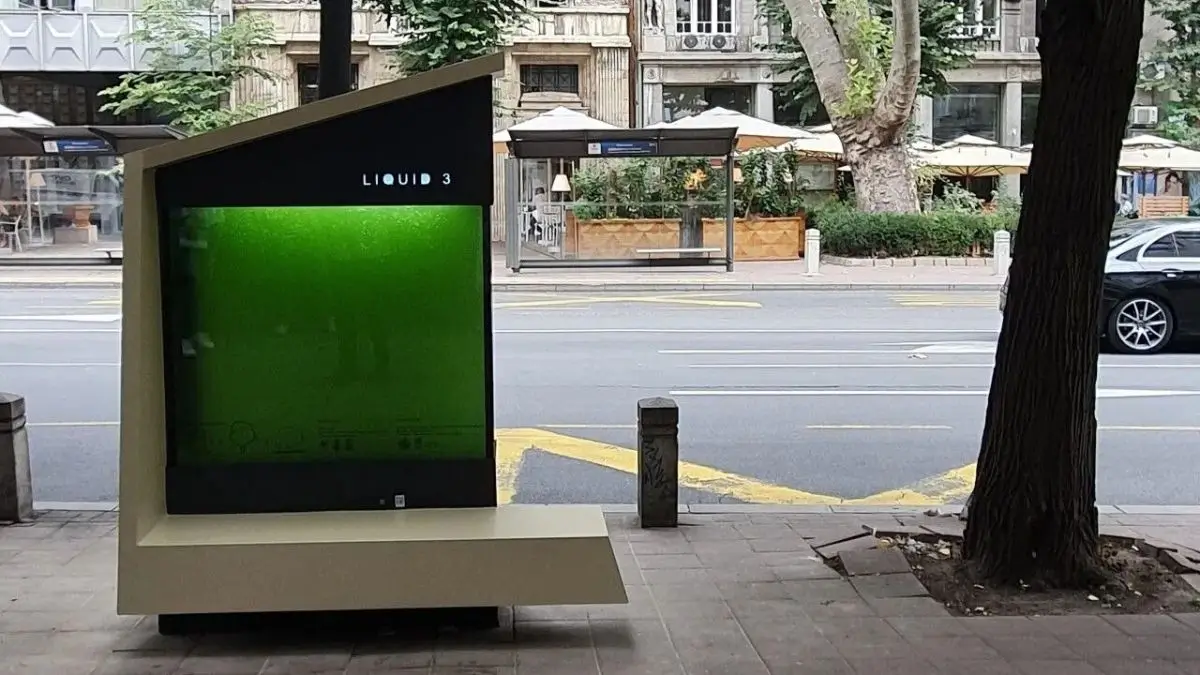
A New Species of Tree
The algae tree is not actually a tree from the botanical perspective as it does not contain roots, bark, or leaves. Rather, it is a man-made construction usually resembling a tree that is covered with live microalgae in the form of tubes or transparent panels. The purpose of such installations is to take advantage of the biological process of photosynthesis to consume CO2, provide oxygen, biomass, and even harvest solar energy.
How It Works
At the center of an algae tree you have a container called a photobioreactor. This container is like a system of tubes made of glass or plastic. These tubes are filled with water and tiny algae. When the sun shines on the tubes the algae start to make food from sunlight. They take in air and give out good air just like a real tree does.. They do it much faster. The system is always moving water, food and air around to keep the algae healthy and working well. The algae tree is shaped like a tree with branches and all to catch as much sunlight as possible. This shape is good, for helping the algae tree work properly. The algae tree really works like a tree, just better.
Potential for Carbon Capture
One of the strongest reasons for wanting algae trees is that they capture carbon efficiently. Microalgae are thought to be far more efficient at absorbing CO2 than terrestrial plants. Apparently, one installation of an algae tree can absorb as much carbon dioxide as several dozen regular trees, making them an attractive option for urban environments where there is limited space for planting real trees. This makes them a potential tool in the larger fight against climate change and for reduction of greenhouse gas concentrations in cities.
City and Architectural Uses
Algae trees have been proposed and prototyped as features in urban landscapes — on rooftops, in public plazas, along busy streets, and even built into building facades. The eTree and other concept installations have looked at the potential of algae bioreactors as street furniture, bus shelters or architectural installations that are as functional as they are visually arresting. These systems are of particular interest to cities with high levels of pollution as a supplementary green infrastructure tool that can be implemented in locations that are too small or impractical for traditional greenery.
Co-benefits Beyond Carbon
The usefulness of an algae tree goes well beyond carbon capture. The biomass obtained from the algae can be converted into biofuels, animal feed, fertilizers and even cosmetic or pharmaceutical ingredients. Some systems are designed to produce biogas by anaerobic digestion of the harvested material. Also, the water inside the photobioreactor absorbs heat from sunlight, so algae trees can also cool the surrounding microclimate – acting as a kind of living air conditioner in hot urban environments.
Challenges and Limitations
Algae trees have promise, but face daunting practical challenges. Regular maintenance, careful control of water chemistry, temperature and nutrient levels and protection from contamination by competing organisms is required. It costs far more to build and operate photobioreactor systems than it does to simply plant conventional trees. Scaling the technology to have a meaningful environmental impact is still a challenge, and the long-term durability of the transparent panels under outdoor conditions is still under study.
Future of Algae Trees
With the intensifying climate change and the quest for innovative answers to urban issues, algae trees are becoming increasingly popular among researchers, architects and city planners around the world. Materials science, bioengineering and systems design are steadily reducing costs and increasing efficiency. Already pilot projects in Europe and Asia have shown algae trees, which are likely to become a more familiar sight in the sustainable cities of tomorrow – bridges between the biological world and human-made infrastructure, quietly turning sunlight and CO₂ into oxygen and possibility.

Digital entrepreneur and content expert I help businesses with AI, SEO and the latest tech trends. I started Silicon Valley Weekly to make complex tech concepts easy to understand and use for business growth. I know a lot about systems and help startups, entrepreneurs and brands navigate the fast-changing world of tech and online marketing.
I build strategies that use data, search optimization, content marketing and AI tools to get visibility, engagement and revenue. I love finding ways for businesses to grow increasing their presence and turning new ideas into successful businesses. My goal is to connect the technology, with practical business use so brands can succeed online.