Introduction
The digital revolution has fundamentally transformed the retail landscape, and online selling has become far more than a temporary disruption to traditional commerce. As we enter the second half of the 2020s, the evidence is unequivocal: online selling is expanding at an unprecedented pace, reshaping consumer behavior, business models, and global trade patterns. From mega-cities to remote villages, the internet has democratized commerce in ways that seemed impossible just a decade ago. This expansion is not merely a continuation of pre-pandemic trends—it represents a structural shift in how goods and services are bought and sold worldwide.
There are many reasons why this is happening, and they’re all connected to new technology, changes in what people want, better ways to move things around, and new ways to pay for things. It’s really important for companies, people who invest, and those who make policies to understand what’s going on, because the world market is getting more and more complicated.
The Numbers Tell a Compelling Story
Online shopping is getting really big, with more and more people buying things on the internet. In fact, experts think that online stores will keep getting a bigger slice of the total retail pie. Some of the biggest markets in North America, Europe, and Asia are seeing huge growth – we’re talking double digits, year after year. But what’s really interesting is what’s happening in emerging markets like Africa, Southeast Asia, and South America. These places are seeing growth that’s way faster than what we’re seeing in more developed countries. This tells us something important: the online selling market is not slowing down, it’s actually still got a lot of room to grow. It’s not a mature market, it’s still expanding, and that’s exciting.
Buying things from other countries online is getting really popular. People in rich countries are now buying from stores in other countries, and people in poorer countries can finally buy famous brands and products from around the world. This is changing how companies compete with each other, and the ones that are good at getting things to customers quickly and cheaply are doing really well. They have to deal with things like taxes on imported goods, customs rules, and changes in currency values, but if they can do all that and still keep prices low and deliver fast, they’re getting a big advantage over their competitors.
Technology: The Great Enabler Behind Explosive Growth
Technological advancement remains the primary engine of e-commerce expansion. Artificial intelligence and machine learning have revolutionized how online retailers understand customer behavior, optimize pricing, manage inventory, and personalize the shopping experience. Modern e-commerce platforms now employ sophisticated algorithms that can predict demand with remarkable accuracy, reducing waste and improving profitability. Meanwhile, advances in natural language processing enable chatbots and virtual assistants that can handle customer inquiries with increasing sophistication.
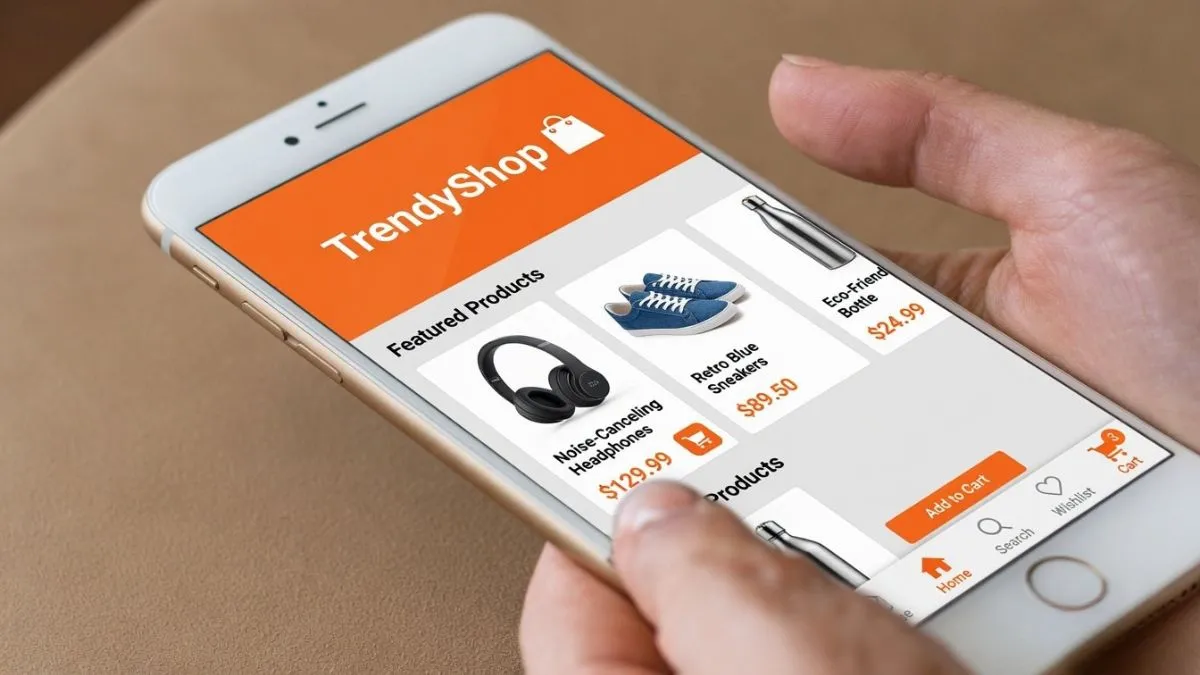
These days, people mostly use their phones to shop online. Almost everyone has a smartphone, so stores need to make sure their websites work well on these devices. New ways of paying, like digital wallets and special kinds of money, make it easier for people to buy things and help stores prevent fake transactions. With faster internet coming soon, shopping on phones will get even better and more fun. Stores will be able to show nicer pictures and videos, making it feel more like you’re really there. This will make more people want to shop on their phones, and it will keep getting easier and faster.
Logistics technology has perhaps made the most tangible impact on consumer satisfaction. Real-time tracking, optimized delivery routes, drone pilots, and autonomous vehicle experiments are gradually reducing delivery times and costs. Warehouse automation, including robotics and AI-powered systems, has dramatically increased fulfillment speed while reducing labor costs. These improvements in the physical infrastructure of online selling are critical; without them, the rapid expansion would be impossible to sustain.
Consumer Behavior: A Permanent Shift in Expectations
The pandemic really sped up how fast people started using digital things, but people were already selling stuff online before COVID-19 and they will keep doing it even after the pandemic is over. Young people, like the ones in Generation Z and after, think that shopping online is the normal way to do things, and they only go to physical stores sometimes. This is a big change because it means that online selling will keep growing on its own as older people, who aren’t as good with technology, stop shopping as much.
Consumer expectations have simultaneously become more sophisticated and more demanding. Same-day delivery is now expected in major urban centers rather than viewed as a premium service. Return policies must be generous and hassle-free. Customer service must be available 24/7 through multiple channels. These elevated expectations create both challenges and opportunities for online retailers. Those who meet them build fiercely loyal customer bases and enjoy higher lifetime customer value. Those who fall short are quickly displaced by competitors who can deliver superior service.
Sustainability concerns are increasingly shaping consumer choices. Buyers want to know the environmental impact of their purchases, prefer sellers who use eco-friendly packaging, and reward companies that demonstrate genuine commitments to sustainability. This trend is driving innovation in reverse logistics, packaging materials, and carbon-neutral delivery options. Online retailers who successfully integrate sustainability into their operations gain competitive advantage with environmentally conscious consumers.
Emerging Markets: The Final Frontier
The internet is opening up new doors for people in lots of different countries. In places like South Asia, Southeast Asia, Africa, and Latin America, millions of people are getting online and learning how to use digital payments for the first time. This is a big deal because it means they can start buying things online, even if they don’t have stores near them. Lots of local companies are growing really fast and international companies are also trying to get in on the action. It’s like these places are skipping over the old way of doing things and going straight to online shopping. Even people in remote villages can now buy things online using their phones and local payment systems. This is a really exciting time for online selling and it’s going to be interesting to see what happens next.
Things are looking up for online selling in some parts of the world. The government is really helping out by offering tax breaks to new digital companies and investing in better roads and delivery systems. They’re also making it easier for people to buy and sell things across borders. At the same time, more and more people in rural areas are getting access to electricity and the internet, which means millions of new customers are coming online every year. All these things together are making it a great time for online selling to grow in these emerging markets. With more people wanting to buy things online, better infrastructure to support it, and the government giving it a push, it’s a perfect storm for online selling to really take off.
Evolving Business Models and Competitive Dynamics
The way people shop online is changing a lot. Now, we have many different ways to buy things on the internet, not just the usual online stores. For example, you can buy things right from social media platforms, which is called social commerce. This is becoming very popular. Some companies are even doing live streaming shopping events, where they show products and people can buy them right away. This is really big in Asia. Some businesses are also using subscription services, where customers pay a fee every month to get something, like a box of goodies or access to special content. This helps companies make money regularly and keeps customers coming back. There are also brands that sell directly to customers, without using middlemen like stores. They use digital marketing and special delivery systems to get their products to customers. This is a big change from how things used to be, and it’s making traditional stores rethink how they do business.
The market is getting tougher by the day. Big players like Amazon and Alibaba are still in charge, but they’re facing a lot of competition from smaller, specialized platforms and new startups. This is good news for consumers, who get to enjoy lower prices and better service. But for sellers, it means they have to be on their toes all the time, making sure they’re running their businesses smoothly and keeping their customers happy. It’s no longer enough to just be average – sellers need to be the best they can be if they want to succeed.
Challenges That Could Affect Growth Trajectory
Selling online has been growing really fast, but it’s not all good news. Governments in developed countries are taking a closer look at online selling, and they’re worried about things like companies being unfair, people’s private information not being protected, and customers not being treated right. There are also lots of cybersecurity threats, like fraud, hacking, and data breaches, that can hurt online retailers and their customers. And let’s not forget about the environmental problems, like all the waste from packaging, the carbon emissions from shipping, and the hassle of dealing with returns. These issues are still a big deal and haven’t been fully solved yet. Sometimes, problems in the supply chain can still cause big problems, even though things are getting better.
Online selling has grown so fast that it’s created a lot of jobs, like in warehouses, delivery, and customer service. But there are still a lot of problems with these jobs, like are people getting paid enough, are they working in good conditions, and do they have job security. Another issue is when people return things they bought online, it’s a big problem for the companies because it costs a lot to deal with and it’s also bad for the environment. The companies are still trying to figure out how to handle these problems. They need to find a way to make returns easier and cheaper, and also make sure they’re not hurting the planet. It’s a big challenge, but they have to solve it to make online shopping better for everyone.
The Road Ahead: What Growth Expansion Looks Like
As we look to the future, it’s clear that online shopping is going to keep getting bigger. There are a few reasons for this – the people, the technology, and the economy are all working together to make it happen. More and more people are going to be buying things online, and soon it will be a big part of how we shop. In fact, some people think that by 2030, a quarter to a third of all shopping will be done online, which is a lot more than it is now. This change won’t happen everywhere at the same time, though – some places will see a lot of growth, especially in areas that are still developing, but pretty much everywhere will see some increase.
Emerging technologies will further accelerate growth. Augmented and virtual reality technologies promise to recreate the sensory experience of physical shopping in digital environments. Blockchain and decentralized platforms may disrupt traditional centralized marketplaces. Artificial intelligence will continue advancing, handling increasingly complex tasks from customer service to inventory management. These technologies will not eliminate challenges but rather create new opportunities and new problems simultaneously.
The way we shop is changing, and it’s going to keep changing. Stores and online shopping are not enemies, they actually work well together. Many big retailers are starting to see that they can help each other out. For example, you can buy something online and pick it up at the store, or you can use social media to find out about sales and events at your local store. Some stores are even setting up temporary shops, called pop-up retail, to create a fun and unique experience for customers. All of these things are coming together to make shopping easier and more fun, whether you’re at home on your computer or out at the store.
Conclusion: The Expansion Continues
The expansion of online selling is not a temporary phenomenon or cyclical trend destined for reversion. Rather, it represents a fundamental, permanent shift in how commerce functions in the modern world. Driven by technology, changing consumer preferences, global connectivity, and the democratization of access to markets, online selling has established itself as the dominant and growth-oriented segment of global retail. While challenges exist and will need to be addressed, none appear insurmountable or likely to significantly reverse the growth trajectory.
For businesses, the imperative is clear: embrace digital commerce or face obsolescence. For consumers, the expanding digital marketplace offers unprecedented choice, convenience, and value. For policymakers, the challenge lies in creating regulatory frameworks that foster continued innovation while protecting consumers and ensuring fair competition. For investors, online selling and related technologies represent some of the most compelling opportunities in modern markets. The expansion of online selling is not ending—it is accelerating, transforming, and only beginning to realize its full potential.
FAQs:
Q1. Why is online selling still expanding so rapidly?
Online selling continues to expand rapidly due to several converging factors: (1) Technological advancement in AI, mobile commerce, and logistics; (2) Changing consumer preferences, particularly among younger generations; (3) Internet and smartphone penetration reaching new markets; (4) Improved payment systems and digital wallets; (5) Government support for digital commerce in emerging markets; and (6) The structural shift in consumer behavior accelerated by the pandemic that has proven permanent.
Q2. What percentage of retail is currently online globally?
As of 2026, online retail represents approximately 20-22% of total global retail sales. However, this varies significantly by region. Developed markets like North America and Western Europe show online penetration rates of 25-30%, while emerging markets range from 5-15%. Projections suggest global online retail will reach 25-30% by 2030, with some developed markets exceeding 40%.
Q3. Which regions are experiencing the fastest growth in online selling?
Some parts of the world are seeing really fast growth in online markets. We’re talking about areas like Southeast Asia, South Asia, Africa, and Latin America. They’re growing at rates of 25-40% every year, which is incredibly fast. The reason for this is that these areas are starting from a smaller base, but they have huge populations that are just getting online for the first time. On the other hand, when it comes to the total number of online transactions, places like North America, Europe, and East Asia – especially China – are still way ahead. They might not be growing as quickly, but they’re already really big, so they’re still doing a lot of business online.
Q4. How has mobile commerce changed online selling?
Mobile commerce (m-commerce) has become the dominant channel, accounting for over 60% of online transactions in many markets. With global smartphone penetration exceeding 70%, consumers now expect seamless mobile shopping experiences. This has driven innovation in mobile-optimized interfaces, one-click purchasing, digital wallets, and mobile payment technologies. Businesses not prioritizing mobile-first strategies risk losing significant market share.
Q5. What is the impact of artificial intelligence on e-commerce expansion?
AI has become transformational for e-commerce. It powers: (1) Personalized product recommendations that increase conversion rates by 10-30%; (2) Demand forecasting that optimizes inventory and reduces stockouts; (3) Dynamic pricing strategies that maximize revenue; (4) Chatbots and virtual assistants for 24/7 customer service; (5) Fraud detection and prevention; and (6) Supply chain optimization. AI-enabled retailers consistently outperform competitors in customer satisfaction and profitability.
Q6. How have consumer expectations changed in online shopping?
People who shop online have changed what they want. Now, they expect a lot from the stores they buy from. They want to get their stuff delivered the same day or the next day if they live in a city. They also want to be able to return things easily and have a long time to do it, like 30 days or more. On top of that, they want to be able to talk to someone from the store anytime, day or night, through lots of different ways like chat, email, or phone. They like it when the store recommends things just for them and sends them special offers. They don’t want any surprises when they’re paying, so they want prices to be clear and no extra fees. They also care about the Earth, so they want their packages to be eco-friendly. And most importantly, they want their information to be safe when they’re buying online. If stores can do all these things, they’ll be able to compete with other stores.
Q7. What is the role of sustainability in driving online selling growth?
These days, more and more people are thinking about the environment when they shop online, especially younger people. If a company does things like: * uses packaging that’s good for the earth, * gives customers the option to choose shipping that doesn’t hurt the planet, * has a way for customers to send back old products to be recycled, * buys things from suppliers who are also kind to the earth, * and is honest with customers about how their business affects the environment, then people are more likely to want to buy from that company. This is causing companies to come up with new and innovative ways to package their products, deliver them to customers, and manage their supply chains. When companies make sustainability a priority, they’re more likely to stand out from the competition and build strong relationships with their customers.
Q8. How does cross-border e-commerce contribute to expansion?
Buying things online from other countries is getting really popular. This is because it lets people in rich countries buy special products from sellers all around the world. It also lets people in poorer countries buy things from big brands and stores in other countries. Small businesses can now sell to people in other countries without having to have a physical store there. This is helping countries trade with each other more easily. But to be successful, businesses have to deal with things like taxes on imported goods, customs rules, changes in currency values, and different payment methods in each country. Websites that help people buy and sell things across borders are growing really fast. They make it easier for people to shop online and get things from other countries. This is a big opportunity for businesses to grow and reach new customers.
Q9. What are the generational differences in online shopping behavior?
Generational differences are pronounced. Gen Z and younger view online shopping as the default, with physical stores supplementary. They expect personalization, social commerce integration, and mobile-first experiences. Millennials balance online and offline shopping but are highly price-conscious and value-driven. Older generations increasingly embrace online shopping but may prefer phone support and traditional interfaces. Understanding these demographic differences is critical for retailers designing customer experiences and marketing strategies.
Q10. What are emerging business models in online selling?
Several innovative models are driving growth: (1) Social Commerce – purchasing directly through social platforms like Instagram, TikTok, and WeChat; (2) Live Shopping – interactive live streams where hosts demonstrate products; (3) Subscription Models – recurring revenue through memberships or auto-replenishment; (4) Direct-to-Consumer (D2C) – brands selling directly to customers, bypassing wholesalers; (5) Marketplace Platforms – connecting multiple sellers with buyers; (6) Group Buying – leveraging collective purchasing power for discounts. Each model serves different customer segments and creates distinct competitive advantages.
Q11. How important is logistics technology for e-commerce success?
Logistics technology is really important. It helps companies in many ways. For example, it lets customers and workers see where their packages are in real time. It also finds the best routes for delivery, which saves time and money. Some warehouses even use robots to get orders ready faster. And when it’s time to get a package to someone’s door, companies are using new ideas like drones and self-driving cars. They’re also getting better at handling returns. Plus, they can keep track of what’s in stock at all their different locations. When companies use this technology, they can get things to people faster, save money, and make their customers happier. This is a big deal because it helps them stand out in a crowded market.

Digital entrepreneur and content expert I help businesses with AI, SEO and the latest tech trends. I started Silicon Valley Weekly to make complex tech concepts easy to understand and use for business growth. I know a lot about systems and help startups, entrepreneurs and brands navigate the fast-changing world of tech and online marketing.
I build strategies that use data, search optimization, content marketing and AI tools to get visibility, engagement and revenue. I love finding ways for businesses to grow increasing their presence and turning new ideas into successful businesses. My goal is to connect the technology, with practical business use so brands can succeed online.