
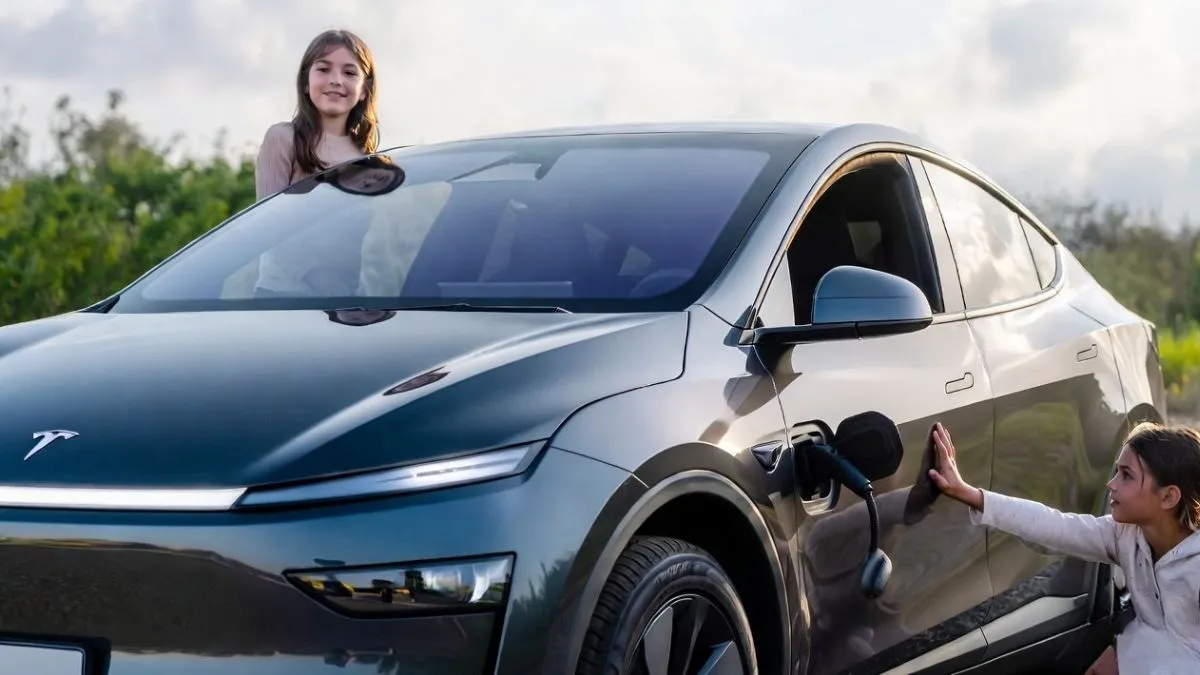
The Electric Vehicle Revolution Takes Root in Asia
The Electric Vehicle revolution is happening now. It is very clear in Asia. Electric Vehicles are not just for people who like things they are changing industries, jobs and how countries make money. The International Energy Agency says that Asia, led by China, India and Asian countries is seeing a huge increase in Electric Vehicle adoption. This change is not about replacing old engines with batteries it is about changing how things are made how energy is used and even how countries interact with each other. For countries the rise of Electric Vehicles is both an opportunity and a challenge: a chance to lead the next big change in industry or risk falling behind in a world that is changing fast.
The Driving Forces Behind Asia’s Electric Vehicle Boom
Government Policies and Incentives
Asia’s Electric Vehicle growth is largely driven by government policies. China, the world’s Electric Vehicle market has given subsidies, tax exemptions and strict emissions rules to speed up adoption. Chinas “New Energy Vehicle” rule requires car makers to produce a number of Electric Vehicles or face penalties. India’s Faster Adoption and Manufacturing of Hybrid and Electric Vehicles scheme gives help for Electric Vehicle purchases and manufacturing. Asian countries like Thailand and Indonesia are also giving tax breaks and investment incentives to attract Electric Vehicle makers.
These policies are not just about helping the environment they are moves to reduce dependence on oil imports improve air quality and make Asia a leader in green technology.
Technological Advancements and Cost Reductions
The cost of lithium-ion batteries the expensive part of Electric Vehicles has gone down by over 80% in the last decade. This big reduction, driven by making batteries and improving battery technology has made Electric Vehicles more affordable. Asian manufacturers in China, South Korea and Japan are leading the way in battery production. Companies like CATL, BYD, LG Energy Solution and Panasonic are the players in the global battery market giving Asia an edge in the Electric Vehicle supply chain.
Consumer Demand and Urbanization
Asia’s growing middle class, along with increasing urbanization is driving demand for more efficient transportation. In cities like Beijing, Delhi and Jakarta where air pollution’s a big problem Electric Vehicles are seen as a solution to both environmental and public health challenges. Ride-hailing services and electric two- and three-wheelers which are already popular in countries like India and Vietnam are further speeding up the shift towards Electric Vehicles.
Economic Implications: Jobs, Manufacturing and Industrial Growth
A New Era for Manufacturing
The Electric Vehicle revolution is turning Asia into a hub for Electric Vehicle production. China, the world’s largest car maker is home to BYD, NIO and XPeng which are competing with Tesla. Traditional car makers like Toyota, Hyundai and Tata Motors are also increasing their Electric Vehicle production to meet global demand.
This shift is creating industrial clusters. For example Gujarat in India is becoming a manufacturing hub for Electric Vehicles while Thailand is positioning itself as the “Detroit of the East” for electric pickups and commercial vehicles. These developments are not helping local economies but also attracting foreign investment from global car makers and battery producers.
Job. Workforce Transformation
The transition to Electric Vehicles is expected to create millions of jobs across Asia from battery manufacturing to charging infrastructure development. However it also poses challenges for the existing workforce. Traditional internal combustion engine vehicles require skills than Electric Vehicles and workers in assembly lines, engine manufacturing and after-sales services may need to learn new skills.
Countries like South Korea and Japan with automotive industries are investing in training programs to prepare their workforce for the Electric Vehicle era. In India the government’s Skill India Mission includes training on Electric Vehicle technology to ensure that the labor force is ready for the shift.
Supply Chain Realignment
The Electric Vehicle supply chain is very different from that of vehicles. Of relying on oil and gasoline Electric Vehicles depend on critical minerals like lithium, cobalt, nickel and rare earth elements. Asia is already a player in this space: China controls a big part of the global supply of rare earth metals while Indonesia and the Philippines are rich in nickel, a key component for lithium-ion batteries.
This realignment is creating trade dynamics. For instance Indonesia has banned the export of raw nickel ore to encourage processing and battery production. Similarly India is exploring partnerships with Australia and other mineral-rich countries to secure its supply of materials. These moves are not just economic they are also geopolitical as countries seek to reduce their dependence on China for battery components.
Infrastructure: The Backbone of the Electric Vehicle Ecosystem
Renewable Energy Integration
The rise of Electric Vehicles is closely tied to the growth of energy. For Electric Vehicles to be truly sustainable the electricity that powers them must come from sources. Asia is making strides in this area. China is the world’s producer of solar and wind energy while India has set ambitious targets for renewable energy capacity. Countries like Vietnam and the Philippines are also investing in wind farms to support their Electric Vehicle fleets.
However integrating renewables into the grid remains a challenge. Energy storage solutions, such as grid-scale batteries are essential to manage the intermittency of wind power. Asian companies are leading the way in this field with Chinese firms like CATL and BYD expanding into energy storage systems.
Charging Infrastructure: The Road Ahead
One of the hurdles to widespread Electric Vehicle adoption is the lack of charging infrastructure. Asia is addressing this challenge with a mix of private investment. China for example has over 1.8 million public charging stations, far outpacing any country. India’s government is targeting the installation of 400,000 charging stations by 2026 while private companies like Tata Power and Reliance Industries are also entering the space.
Innovations in charging technology are also emerging. Battery-swapping stations, which allow Electric Vehicle users to exchange batteries for fully charged ones in minutes are gaining popularity in countries like China and India. Companies like NIO in China and Sun Mobility in India are pioneering this model, which could be a game-changer for Electric Vehicles like taxis and delivery vehicles.
Smart. Vehicle-to-Grid (V2G) Systems
The future of Electric Vehicle infrastructure lies in grids and vehicle-to-grid (V2G) systems, which allow Electric Vehicles to not only consume electricity but also feed it back into the grid during peak demand. This technology can help balance the grid reduce energy costs and even provide power during outages. Asian countries are beginning to explore V2G pilots with Japan and South Korea leading the way. If scaled successfully V2G could turn Electric Vehicles into mobile energy storage units further accelerating the transition to energy.
Geopolitical and Trade Dynamics: Asia’s Rising Influence
Redefining Global Trade Flows
The Electric Vehicle revolution is reshaping trade patterns. Asia’s dominance in battery production and Electric Vehicle manufacturing is shifting the center of gravity in the industry. Traditional automotive powerhouses like Germany and the United States are increasingly looking to Asia for partnerships and supply chain diversification.
For example Tesla has established a Gigafactory in Shanghai while Ford and General Motors have formed ventures with Chinese companies to develop Electric Vehicles for the Asian market. Similarly European car makers are sourcing batteries from suppliers to meet their electrification targets.
The China Factor
China’s role in the Electric Vehicle ecosystem is very important. It is the world’s market for Electric Vehicles, the biggest producer of batteries and a leader in renewable energy. Chinese companies like BYD, CATL and NIO are not dominating the domestic market but also expanding globally. BYD for instance has entered markets in Europe, Latin America and Southeast Asia offering Electric Vehicles that compete with Western brands.
However China’s dominance has also raised concerns about overdependence. Countries like the United States and members of the European Union are implementing policies to reduce their reliance on batteries and Electric Vehicles. The U.S. Inflation Reduction Act (IRA) for example offers subsidies, for Electric Vehicles and batteries produced in North America. These moves could fragment the global Electric Vehicle market forcing manufacturers to adapt their strategies.
Southeast Asia: The Next Frontier
While China and India are leading the charge
Electric vehicles are still too expensive for people in Asia. Even though the cost of batteries is going down electric vehicles remain out of reach for consumers in Asia. The cost of vehicles is a big problem in countries where people do not have a lot of money. Governments must continue to help people buy vehicles by giving them money and other incentives.
Additionally companies are making electric vehicles, such as the Tata Nano electric vehicle or the BYD Seagull, which can help make electric vehicles more affordable for people in Asia. Electric vehicles like the Tata Nano vehicle and the BYD Seagull are good options for people who want to buy an electric vehicle but do not have a lot of money.
Environmental and Social Concerns
The electric vehicle revolution is not perfect. There are social problems associated with electric vehicles. For example mining for minerals like cobalt is bad for the environment and for people. Asian countries must make sure that the electric vehicles they buy are made in a way that’s good for the environment and for people.
Also old electric vehicle batteries are bad for the environment. We need to find a way to recycle them. Asian countries must develop ways to recycle electric vehicle batteries so that we do not harm the environment. Electric vehicle batteries like lithium-ion batteries need to be recycled so that they do not cause problems.
The Road Ahead: Opportunities and Strategic Moves
Investing in Innovation
countries must keep investing in new ideas to stay ahead. This includes making electric vehicle batteries, such as solid-state batteries, which are safer and can store more energy. Electric vehicle batteries like solid-state batteries are the future of vehicles.
Researchers are also looking into using materials, such as sodium to make electric vehicle batteries. This can help reduce our dependence on minerals like lithium and cobalt. Electric vehicles need minerals like lithium and cobalt. We can use other materials like sodium to make electric vehicle batteries.
Strengthening Regional Collaboration
Asia is a continent and this is a good thing. Countries can work together to make the electric vehicle industry stronger. For example Indonesia has a lot of nickel and Japan is good at making technology so they can work together to make electric vehicle batteries. Electric vehicle batteries made in Indonesia and Japan can be very good.
India is good at making software and China is good at manufacturing so they can work together to make electric vehicles. Smart electric vehicles made in India and China can be very good. Electric vehicles like electric vehicles are the future of the electric vehicle industry.
Policy Coordination
Governments in Asia must work together to make sure that everyone follows the rules. This includes making sure that electric vehicle charging stations are safe and that old batteries are recycled. Governments in Asia must also make sure that electric vehicles are safe to drive. Electric vehicles must be safe for people to drive.
Regional organizations like ASEAN can help governments work together. ASEAN can help Asian countries make the electric vehicle industry stronger.
Workforce Development
As the electric vehicle industry grows we will need people with skills to work in the industry. Asian countries must invest in education and training programs to prepare people for jobs in the electric vehicle industry. People who work in the electric vehicle industry need to know how to make electric vehicle batteries and how to fix vehicles.
They also need to know how to use computers and how to solve problems. People who work in the electric vehicle industry must be able to solve problems and use computers. Electric vehicle industry jobs require people to have skills.
A Decade of Transformation
The rise of vehicles is a big change. It is not a new technology but a new way of thinking about the economy and society. Over the ten years Asia can become the center of the electric vehicle industry creating new jobs and shaping the future of transportation. Electric vehicles will change the future of transportation in Asia.
However there will be challenges. Asian countries must address problems like supply chain vulnerabilities, infrastructure gaps and environmental concerns to make sure that the electric vehicle revolution is good for everyone. Electric vehicles must be good for the environment and for people.
For Asia the electric vehicle era is not about replacing gasoline with electricity. It is about creating industries, changing trade and redefining progress. The choices we make today will determine whether Asia leads the way to a more prosperous future. Electric vehicles are the future of transportation, in Asia.

Digital entrepreneur and content expert I help businesses with AI, SEO and the latest tech trends. I started Silicon Valley Weekly to make complex tech concepts easy to understand and use for business growth. I know a lot about systems and help startups, entrepreneurs and brands navigate the fast-changing world of tech and online marketing.
I build strategies that use data, search optimization, content marketing and AI tools to get visibility, engagement and revenue. I love finding ways for businesses to grow increasing their presence and turning new ideas into successful businesses. My goal is to connect the technology, with practical business use so brands can succeed online.