What Is the Fitbit Air?
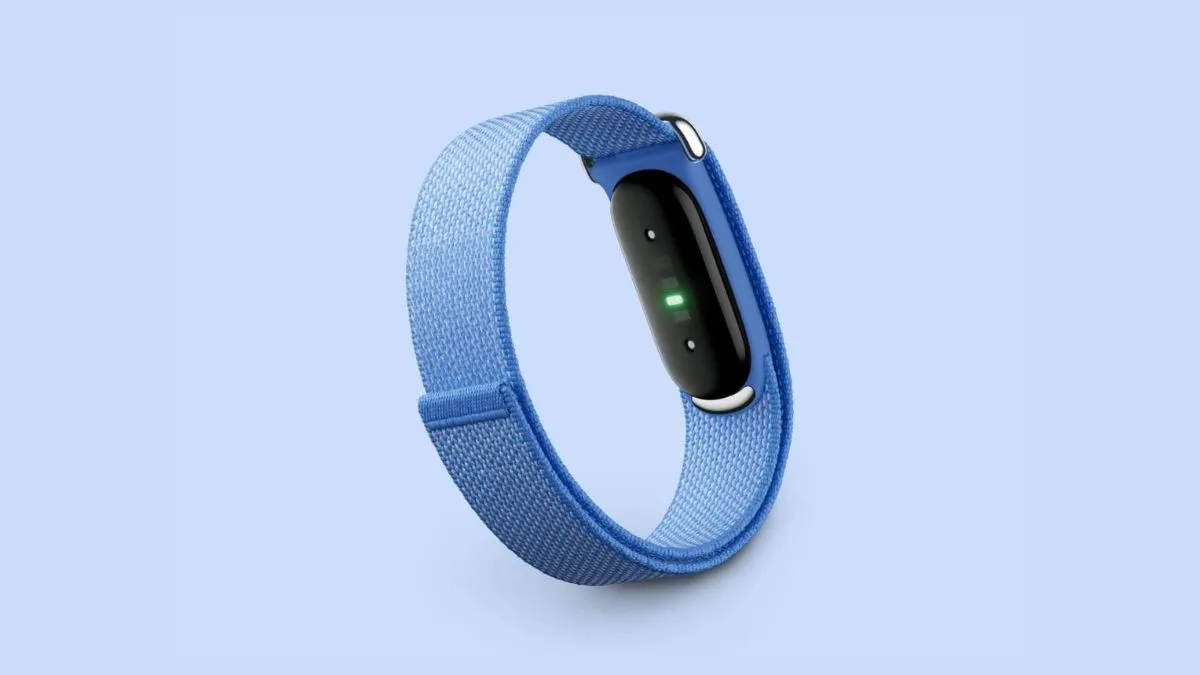
The Fitbit Air is Google‘s new screenless activity tracker for people who want sleep tracking, heart-rate trends, activity data, recovery insights, and AI-powered coaching without wearing another tiny phone on their wrist. It is a tiny “pebble” module that pops into interchangeable wristbands and tracks your body 24 hours a day, 7 days a week, without ever showing you a notification, a text message, or a watch face. This is a deliberate design philosophy: no screen means no distractions — you check your data in the Google Health app when you want to, and stay present when you don’t.
Design and Comfort
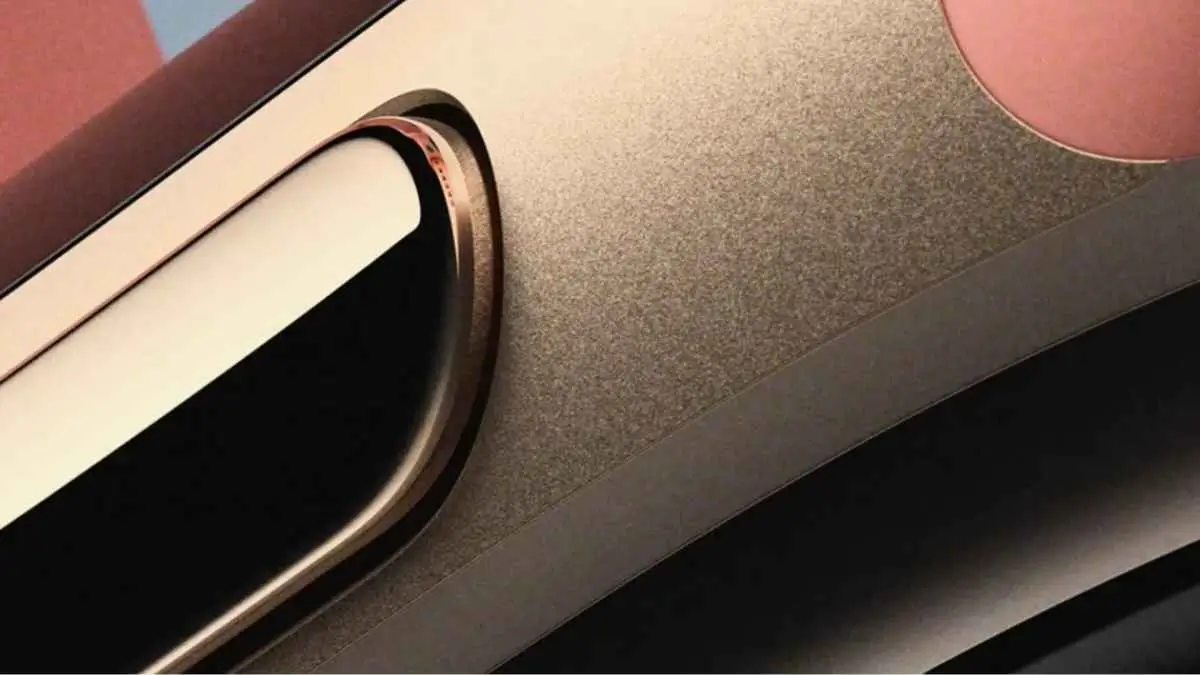
The Fitbit Air pod weighs 5.2 grams on its own and 12 grams with the band attached — lighter than most wedding rings. The Fitbit Air looks noticeably slimmer than the Whoop, almost half its size, and at just 12g it’s lighter too, which should help enormously with all-day wear. A small status LED on the side of the tracker shines through a cutout in the band, pulsing white while charging, flashing red when the battery is low. Whoop figured out years ago that a tracker you forget you’re wearing gets worn 24/7 — and Fitbit has now matched that comfort level and beaten Whoop on price.
Health Tracking Features
The Fitbit Air offers strong sensor coverage for passive tracking, including heart rate, SpO2, HRV, skin temperature variation, breathing rate, and resting heart rate. The device automatically detects workouts and syncs seamlessly with the Google Health app. It is good for general fitness, walking, gym consistency, and wellness tracking, though it is less ideal for serious runners who need granular workout metrics. For most everyday users, however, the passive, continuous monitoring is exactly what they need.
Battery Life and Charging
Battery life on the Fitbit Air is rated at up to seven days, based on Google’s testing on pre-production hardware. The compensating factor is fast charging: just 5 minutes delivers a full day of use, and a complete charge from empty takes 90 minutes. While seven days falls short of Whoop’s claimed 14-day battery, the near-instant top-up makes it far less of a daily hassle in practice.
The Google Health App and Gemini AI Coach
The Fitbit Air launches alongside a major software change: the Fitbit app rebrands as Google Health on May 19, 2026, available on both Android and iOS. The Gemini-powered Health Coach, which has been in public preview since October 2025 with around 500,000 participants and over a million pieces of feedback, exits beta the same week. The Health Coach can build adaptive fitness plans, suggest recovery windows, analyse sleep disruptions, and answer health questions in conversation. In the United States, it also offers access to medical records — a bigger differentiator than it sounds, since no competing wearable platform offers this. For the screenless Fitbit Air, the app truly is the product.
How It Compares to the Competition
The Amazfit Helio Strap matches the Air in price point and battery claims, but has a far less mature AI coaching layer. The Oura Ring 4 sits in an adjacent category, costs more, requires a subscription, and lacks vibration feedback. For sleep tracking, it remains category-leading, but the Air’s wrist form factor is more flexible for workout tracking. Against Whoop, the value case is stark: Whoop charges a minimum of $199 per year, meaning over three years it can cost between $597 and $1,077. The Fitbit Air costs $99.99 once, with core tracking — heart rate, sleep, steps, SpO2, and skin temperature — working without any subscription at all. Google Health Premium at $9.99/month unlocks the Gemini AI Health Coach, but it’s entirely optional.
Water Resistance and Durability
The Fitbit Air is water resistant to 50 metres (5 ATM), meaning it can be worn in the shower, pool, and the sea. Google’s documentation does note that the water-resistant coating on certain bands and components diminishes over time with normal wear and exposure, and is not guaranteed for the lifetime of the device. That’s a reasonable caveat for a tracker at this price point.
Price and Availability
The Fitbit Air is priced at $99 for the standard version, with wider availability and shipping starting May 26, 2026. Google is also offering a $35 Google Store credit for pre-orders placed before May 25, redeemable toward accessories like extra bands. A Special Edition is also available for $129.99, and accessory bands start at $34.99.
Verdict
The Google Fitbit Air is a confident, well-considered product that fills a very real gap in the wearable market. It won’t replace a full smartwatch for those who need on-wrist notifications or GPS, but for anyone who wants to track their health seriously — without the bulk, the screen fatigue, or the punishing subscription fees — it makes a compelling case. The combination of feather-light comfort, Gemini-powered coaching, and a one-time $99 price tag makes it the most accessible screenless tracker on the market today, and a genuine Whoop alternative for the masses.

Digital entrepreneur and content expert I help businesses with AI, SEO and the latest tech trends. I started Silicon Valley Weekly to make complex tech concepts easy to understand and use for business growth. I know a lot about systems and help startups, entrepreneurs and brands navigate the fast-changing world of tech and online marketing.
I build strategies that use data, search optimization, content marketing and AI tools to get visibility, engagement and revenue. I love finding ways for businesses to grow increasing their presence and turning new ideas into successful businesses. My goal is to connect the technology, with practical business use so brands can succeed online.