
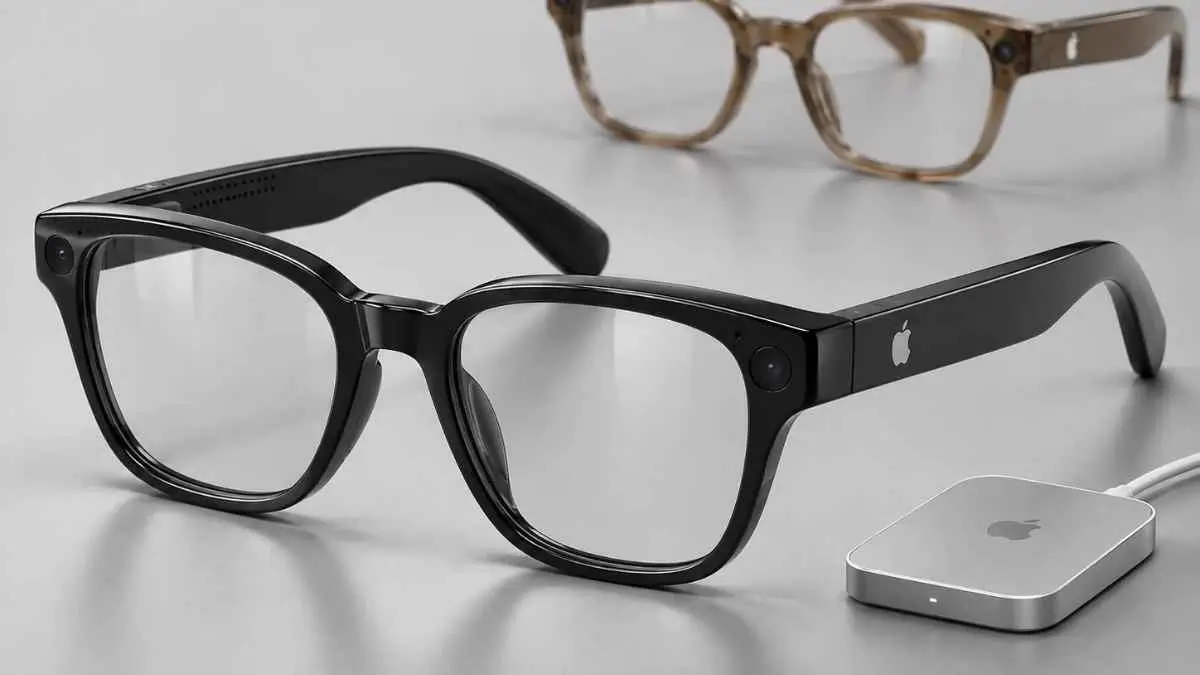
Despite not jumping head-first into new markets, Apple is looking to move into smart glasses markets of its own accord. According to Mark Gurman of Bloomberg, Apple will launch their first Siri AI smart glasses during WWDC 2027 and begin shipping them by the end of 2027.
Despite this, it is definitely not an all-singing, all-dancing AR upgrade like we were expecting. The glasses are intentionally limited and focus on the hardware, cameras, microphones, speakers and Siri. The glasses, internally called ‘N50’, are designed to be something you wear every-day and are an extension to your iPhone.
The design is slightly slimmer than Meta’s Ray-Ban 2nd Gen glasses. Some models have oval cutouts for the cameras (no bulges), and a front facing light to tell users when it is in use or charging. Apple are experimenting with different styles and colours for the frames. This includes larger rectangular frames, slimmer rectangular frames, and larger and smaller ovals/circles.
The test models can be charged whilst being worn using a small flat 3 pin magnet, similar to the size of a Tic Tac, near the end of the left temple. It is uncertain if it will make it into the final product. However, sound is definitely a key focus, staff have said it has the best audio quality on the market.
They run a streamlined version of visionOS with a custom chip based off older Apple Watch chipsets. The glasses also have Wi-Fi so some features like audio can be used without your iPhone nearby. However, for full functionality you will need a recent iPhone. There is no support for android.
There is no display which means users will interact with the glasses mainly using voice commands with Siri. Siri will use the cameras to know what is going on around the user. Features it can do include recognising buildings, giving directions using real landmarks, translating signs and conversations and suggesting meals based on what ingredients are in your fridge.
However, developers will not make dedicated apps for the glasses. Instead, they will use App Intents to allow Siri to use specific features from existing iPhone apps. Apple have started working on this with the iOS 27.3 beta. Apple will support their own apps in December 2026 and third party apps in 2027. This can be used to book a table at a restaurant, request a ride, order coffee, shop and buy movie tickets all without having to take your phone out of your pocket.
You Might Be Interested In:
- The Quiet Revolution Inside Your Walls: Smart Upgrades That Cut Energy Bills
- Apple Opens Siri AI to Every App: The Future of Connected AI Experiences
- Enterprise AI Productivity: Real Business Returns Beyond the Hype
This helps keep the glasses lightweight and energy efficient as most of the processing and apps are done on your iPhone.
Meta are currently dominating this market with the Ray-Ban partnership, but Google and Samsung are developing their own Android XR glasses. Apple’s advantage is the vast amount of apps in their App Store. As everything is designed for the iPhone first, Apple believe they can offer a lot of the software without having to do much new work. Gurman has said this will be a great revenue stream for Apple as they can utilise their AI and turn services into ambient actions.
There is a downside to this as it ties everything to the iPhone ecosystem. If you are an Apple user and use Siri and lots of apps then this may feel like a natural progression. But for everyone else it will be limiting.
Whilst the hardware has been being developed since the early 2020s, there is a lot of uncertainty with the software and AI. As mentioned by Gurman, the Siri features required are running late and could impact the 2027 dates. Siri has a long history of being unreliable so if it can’t perform complex tasks reliably it will just be an expensive camera audio glasses. This means they won’t be a new computing device.
It will also be important how they handle privacy. Whilst there are indicators, users will want to know their visual data is being used responsibly.
Different Approach
The strategy Apple are using suggests they believe most people won’t need another screen in their line of sight. Instead they will need an assistant that can see context and use their services to do things for them. If the 2027 glasses are shipped as described then it will be interesting to see if Siri has finally reached maturity and if the iPhone focus can compete with devices that have had a few years head start.
If they succeed then it will be a silent revolution to get more computing out of your pocket without needing to constantly look at your screen. However, if they fail to meet the deadlines then it will continue to show Apple’s AI is lagging behind their hardware. We will see in the next 18 months which is more likely.

Digital entrepreneur and content expert I help businesses with AI, SEO and the latest tech trends. I started Silicon Valley Weekly to make complex tech concepts easy to understand and use for business growth. I know a lot about systems and help startups, entrepreneurs and brands navigate the fast-changing world of tech and online marketing.
I build strategies that use data, search optimization, content marketing and AI tools to get visibility, engagement and revenue. I love finding ways for businesses to grow increasing their presence and turning new ideas into successful businesses. My goal is to connect the technology, with practical business use so brands can succeed online.