

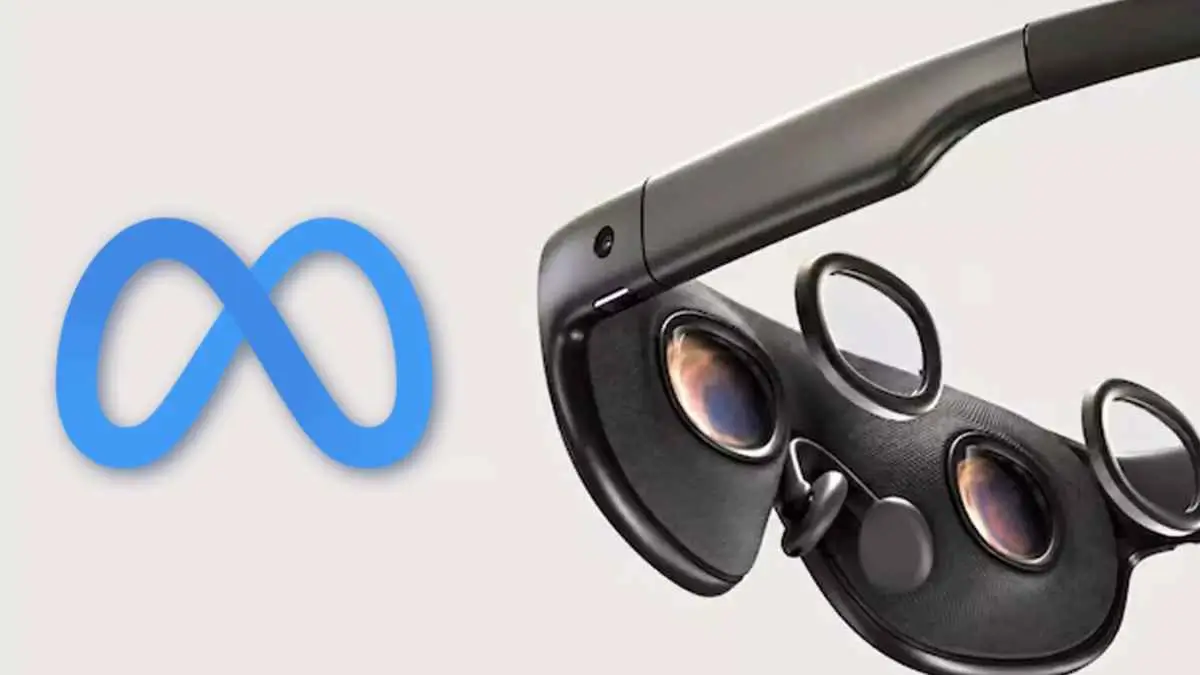
Meta’s next mixed-reality headset has leaked in an unusually official fashion. Just days before Meta Connect 2026, code named Project Phoenix, images of the sleek device have been published inside a HorizonOS Prescription Lens firmware package, as first reported by UploadVR. The images were not fan renders or photographs taken during manufacturing. They were product images embedded by Meta itself into software used to demonstrate how prescription inserts snap into and pair to the headset via a QR code.
Viewing angles from the leak reveal a form factor between Ray-Ban Meta smart glasses and a traditional Quest. Rather than a padded face gasket and raised visor, Phoenix features glasses-style nose pads and a very narrow frame closer to the eyes. External and under-side temples show sensors, consistent with previous claims of integrated hand and eye tracking, no handheld controllers. The rear view is in particular informative: a cable protrudes from the left temple, consistent with years of reports of battery and compute happening live in a different puck, carried on a belt or in a pocket.
You might be interested in:
- Popo Global Raises ₹532 Crore: The Pizza Bakery Big Expansion Story
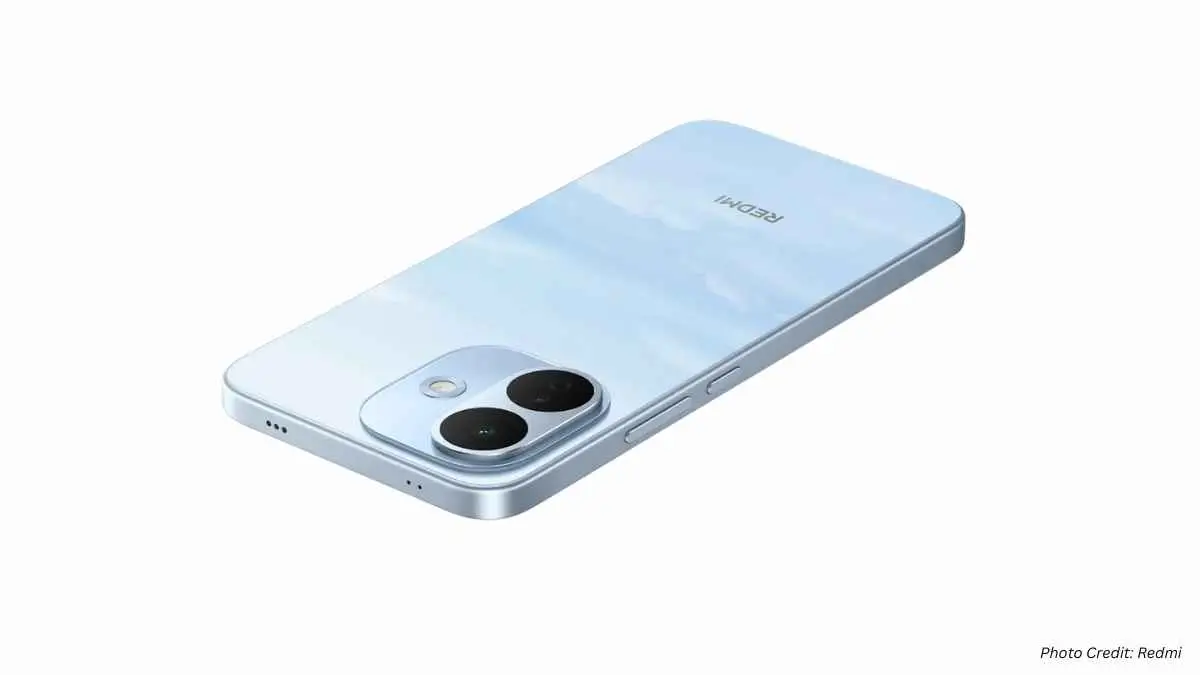
- Redmi Note 17 Pro 5G: Everything You Need to Know
That split architecture is the sweet spot. By relegating the processor, power source, and cooling to the back of head, reports have placed the head unit under 110ga significant departure from the approximately 515g weight of the Quest 3. The apparent inclusion of independent interpupillary-distance adjustment and removable nose clips in the same firmware stream indicates Meta views fit as a firstclass feature rather than an afterthought. The device is anticipated to run Horizon OS, which should maintain compatibility with current Quest applications amidst a hardware evolution toward a glasseslike form factor.
The device has been delayed in the past: projections within the company earlier were for a 2026 release date. The latest reports though suggest a consumer launch in H1 2027; today Connect is more likely to give an idea of the design than to see a boxed device go on sale. Industry leaks maintain a price point of sub-$1000, though Meta has yet to state a conclusive name, specs, or street date, with the images today illustrating a vacuumwhile the back is clear (though not in this set of pictures), there is no clean front-on shot of the displays or the design of the device when on a face, meaning bulk, field of view, and pass through cameras all remain under investigation.
But, the leak makes clear Meta’s wager. After years of “all-in-one” Quest headsets, the “Phoenix” is a bid to challenge in the narrower pool of mixed-reality glasses, an arena the Xreal/Timcaresphere line-up has seen other makers enter, but keeping Meta’s software architecture in place. If the puck tether strikes as feat or festival as a design, even the weight figure will mean little. For the moment, Meta’s own firmware has shown the drone of the device it was meant to unveil during that media presentation.

Digital entrepreneur and content expert I help businesses with AI, SEO and the latest tech trends. I started Silicon Valley Weekly to make complex tech concepts easy to understand and use for business growth. I know a lot about systems and help startups, entrepreneurs and brands navigate the fast-changing world of tech and online marketing.
I build strategies that use data, search optimization, content marketing and AI tools to get visibility, engagement and revenue. I love finding ways for businesses to grow increasing their presence and turning new ideas into successful businesses. My goal is to connect the technology, with practical business use so brands can succeed online.

Pingback: How to Build a Successful Business on Instagram from Scratch?
Pingback: Buy Instagram Followers
Pingback: How Voice Assistants Are Changing Technology