

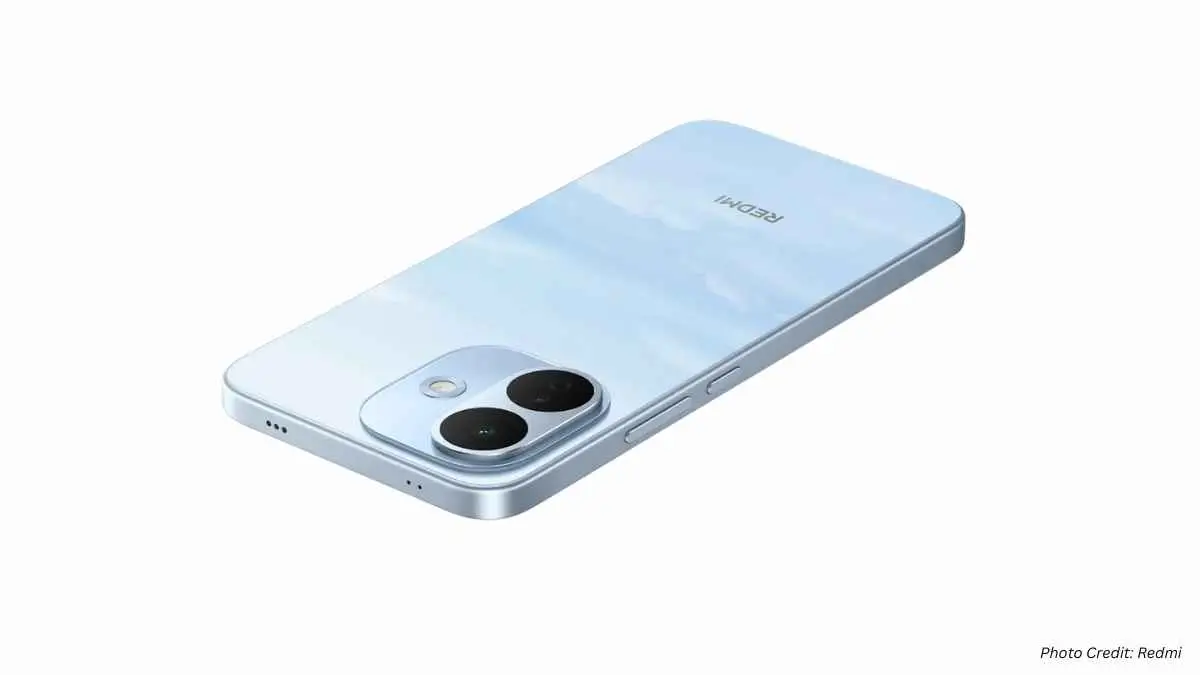
Xiaomi Redmi Note 17 Pro 5G – global – mid-range – announced: 27 August 2026 – released: 28 August 2026 It slots below the Note 17 Pro Max and is built around three selling points: a large silicon-carbon battery, surprisingly high durability for the price, and a bright 1.5K AMOLED screen. It’s not the same phone as the China-only Redmi Note 17 Pro, which has a larger 9,000mAh cell and a slightly different camera setup:
Design, Construction and Durability
The Xiaomi Redmi Note 17 Pro features a 163.5 78.3 8.6 mm body and weighs approximately 223 grams. Front is Corning Gorilla Glass Victus 2, while back and frame (the global model is considered) are made of plastic. Colors: Black, Orange Satin Purple Sky Blue. Simultaneous Dual nano-SIM + eSIM support, both numbers are active at the same time.
Xiaomi calls this a “Titan Quality” device. With ratings of IP68 and, in numerous places, IP69K the manufacturer says the phone may resist exposure to 3 feet of underwater for 72 hours and may survive a drop from up to 9 feet height. If the plastic casing is what keeps weight and cost low then still these claims make it more like a rugged phone than an ordinary mid-range one.
Show Display
The AMOLED is 6.83″ big; the resolution is at 1280 x 2772 (1.5K approximately, 447 ppi) 120Hz 12-bit color and HDR. It can be bright as 3,500 nits with a high-brightness mode up to 1,800 nits. The screen protects your eyes with 3840Hz PWM dimming and very low minimum brightness. A regular touch sampling rate is 240Hz, while you get up to 3,200Hz by Game Turbo The front is almost 90% covered by a punch-hole display.
Storage and Performance
The Xiaomi Redmi Note 17 Pro is powered by a Qualcomm Snapdragon 6s chip with 4nm manufacturing process. There is a quad-core 2.4GHz Cortex-A78 and four Cortex-A55 cores, an Adreno 710 GPU is included at chip level. Middle-tier speed and efficiency are the primary goals of this chip, so it’s very unlikely to see this on a flagship gaming phone. RAM options are available from 6GB up to 12GB of LPDDR4X. For storage, 128GB (UFS 2.2) or 256GB/512GB (both UFS 3.1 on the higher storage capacity models). There is no microSD card slot.
You might be interested in:
- Productivity Habits of Successful Business Leaders
- How Artificial Intelligence Is Changing Business
- How Positive Thinking Impacts Your Heart
The connectivity list is 5G SA/NSA, Wi-Fi 5 Bluetooth NFC, USB-C, and the GPS is also included besides the Infrared Blaster. Stereo speakers are present. There is no 3.5mm headphonejack. The user’s identity is secured by an in-screen fingerprint sensor. Low Wi-Fi generations (Wi-Fi standard is not very recent) can be identified among the most striking cost-saving points.
Cameras
The global rear setup is a 50MP main camera with OIS (f/1.8) plus an 8MP ultrawide. Front camera is 16 Mpx. Video is capped at 1080p. Some software modes are portraits, HDR, documents, panorama and an underwater mode that Xiaomi says can come via OTA. Daylight stills should be solid at this price point, video and low-light work are more the domain of mid-range than flagship.
Battery and Power
Headline specs include a silicon-carbon battery 8 340mAh 67W wired HyperCharge, 22.5W wired reverse charging. Xiaomi says that with such a phone you don’t need to worry about running out of battery for more than a couple of days. The phone comes with a 67W charger at home. Even the speed of charging is among slower competitors, the battery size is key: it is endurance that is the first, not the fast topping up that is the goal.
Software
It features Android 16 and HyperOS 3. Xiaomi has a “60-month like-new” software experience and six years of security updates, which is generous for this segment if the company delivers. Pre-installed software will still eat into the advertized RAM and storage.
Who It’s For and Cost
Pricing is said to start at around $399 in some markets globally, with listings in Europe around €500-€537 depending on configuration. India launch activity mid-September 2026 has been widely reported; local prices depend on variant and promotions. The China Model was much lower (~CNY 1,599) so don’t confuse imported units with the official global units.
Summary:
If you’re more about a big bright screen, a long battery life and serious water and drop protection than a cutting edge chip, Wi-Fi 6/7 or 4K video, the Redmi Note 17 Pro 5G is for you. If those priorities match up, then it’s one of the more practical mid-range phones of late 2026. If you want faster charging, a stronger GPU or a lighter body, you’ll be better off with the Pro Max or a rival flagship-killer. siliconvalleyweekly.com

Digital entrepreneur and content expert I help businesses with AI, SEO and the latest tech trends. I started Silicon Valley Weekly to make complex tech concepts easy to understand and use for business growth. I know a lot about systems and help startups, entrepreneurs and brands navigate the fast-changing world of tech and online marketing.
I build strategies that use data, search optimization, content marketing and AI tools to get visibility, engagement and revenue. I love finding ways for businesses to grow increasing their presence and turning new ideas into successful businesses. My goal is to connect the technology, with practical business use so brands can succeed online.

Pingback: Meta Project Phoenix Headset Leak