Google’s Most AI-Ambitious Lineup Yet
Google announced their newest Pixel 11 phones series on August 12 2026 during a Made by Google event in New York City at which the company’s second year row of flagship product launching will be in the city – and the sale of their phones in stores happens on August 20 there are three regular, non-folding versions this year: the base Pixel 11 at $899, the Pixel 11 Pro at $1,099, and the Pixel 11 ProXL at $1,299. What is the same among all three is that they are powered by the new Tensor G6 chip and are pre-installed with Android 17. Also, all three offer seven years of guaranteed OS, security, and Pixel Drop updates from the get-go. How different are the models? Well, there are a combination of factors like display size, camera sensor quality, whether a new HiLight LED system is present or absent, and mainly for the Pro XL – battery capacity and charging speed.
Google Pixel 11 Pro: Specifications
- Google Tensor G6 processor
- 12GB or 16GB of RAM
- 256GB, 512GB or 1TB of storage
- 6.3in, 2,856 x 1,280, 120Hz LTPO OLED Actua display
- 4,850mAh battery
- 30W wired charging
- 25W Qi2.2 wireless charging
- IP68 dust and water resistance
- Rear cameras: 50MP (f/1.7), 48MP (f/1.7) ultrawide, 48MP (f/2.8) 5x telephoto
- 42MP (f/2.2) selfie camera
- Dimensions: 72 x 8.5 x 153mm (WDH)
- Weight: 204g
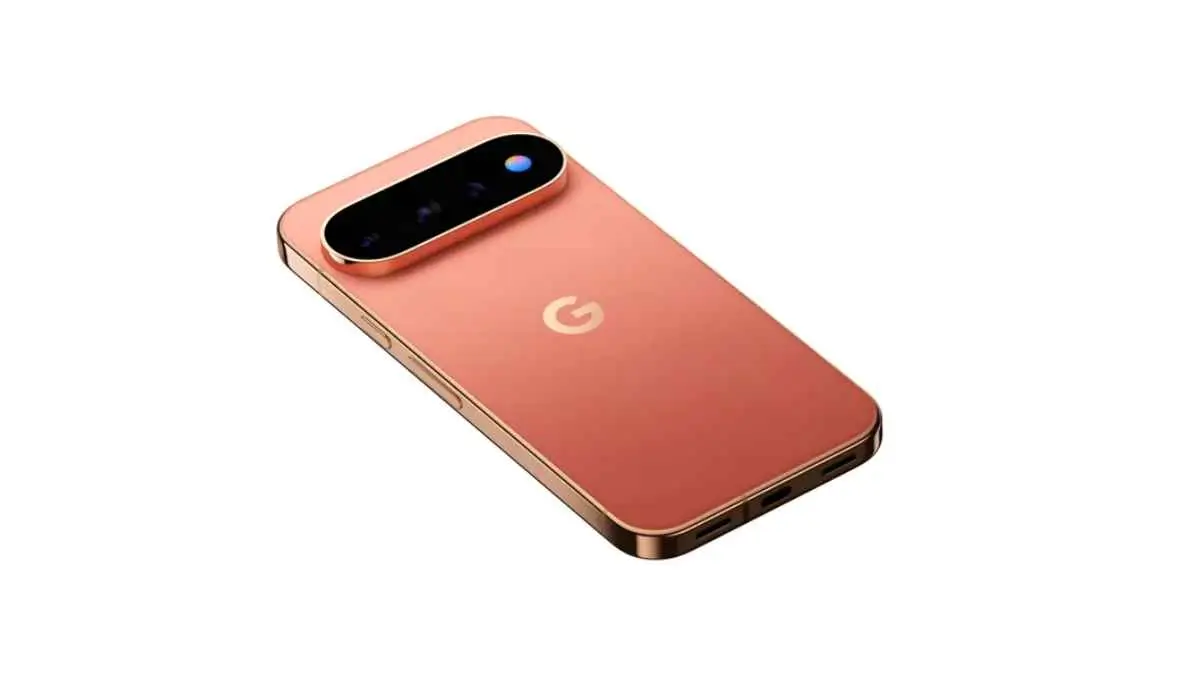
- Colours: Canyon, Olive, Fog, Obsidian (matte)
- UK price: From £1,079
- UK release date: 19 August 2026; Preorder now from Google
Google Pixel 11 Pro XL: Specifications
- Google Tensor G6 processor
- 12GB or 16GB of RAM
- 256GB, 512GB or 1TB of storage
- 6.8in, 2,992 x 1,344, 120Hz LTPO OLED Actua display
- 5,115mAh battery
- 45W wired charging
- 25W Qi2.2 wireless charging
- IP68 dust and water resistance
- Rear cameras: 50MP (f/1.7), 48MP (f/1.7) ultrawide, 48MP (f/2.8) 5x telephoto
- 42MP (f/2.2) selfie camera
- Dimensions: 77 x 8.5 x 163mm (WDH)
- Weight: 226g
- Colours: Canyon, Olive, Fog, Obsidian (matte)
- UK price: From £1,279
- UK release date: 19 August 2026; Preorder now from Google
Design and Build: Familiar but Refined
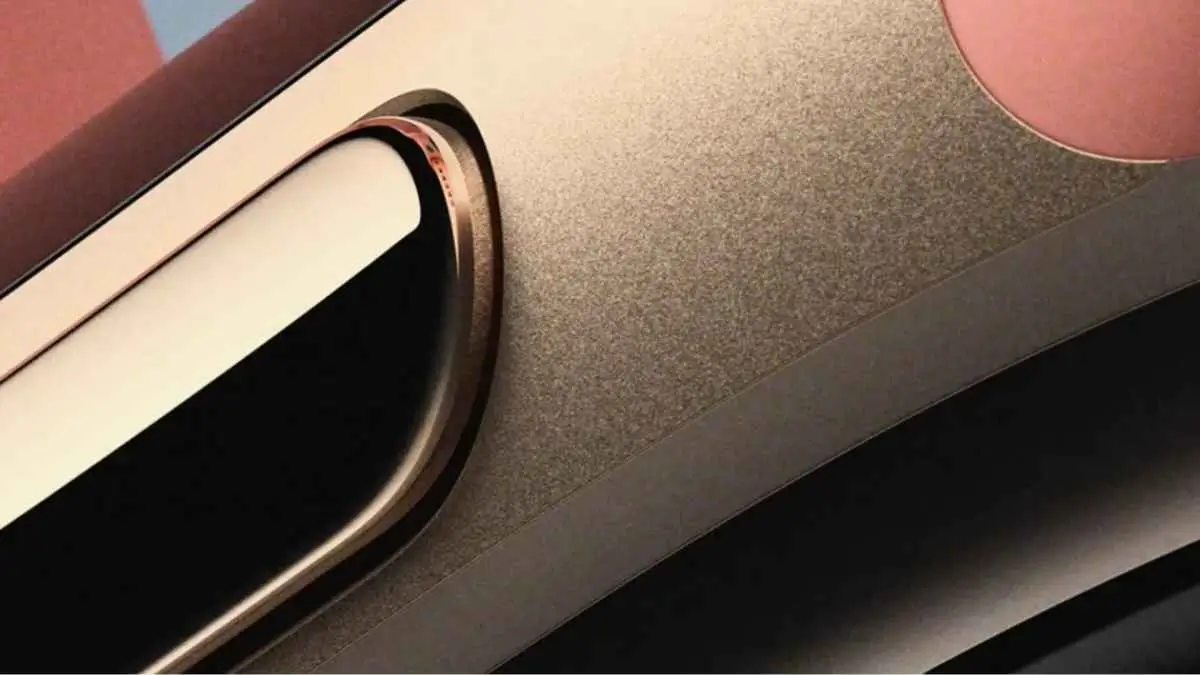
Pixel 11 line up retains the look and feel that Google first revealed with Pixel 9 and then slightly altered in Pixel 10. The resemblance of the family is so obvious that it’s just a matter of taking a glance at one and realizing where it stands in the family tree. Features like the horizontal camera bar on the back, the neat aluminum frame, the Gorilla Glass Victus 2 front and back are all very familiar things. The camera bar remains the one element changed where now it features glass that covers the edges from left to right in the Pixel 11 trio of devices because of this producing what seems like a single piece rear with no seams at the back. The bar on the regular Pixel 11 is 40 percent thinner than that on the Pro models which makes it easier to distinguish them at a glance. What the Pro and Pro XL offer by way of the design is something that one cannot do with other devices. HiLight is the name of this new feature. Where the Pixel 9 and 10 generations had a sensor for the temperature in the camera bar, Pixel 11 Pro has got rid of it and has put a circular set of ambient LEDs instead around the camera flash.
HiLight pulses when Gemini is processing or listening, changes color for incoming calls from favorites based on user preferences of colors, and even in the cases where the phone is face down and in Do Not Disturb mode it is possible to receive information via Flip to Shhh. It acts as a call to look away from the screen to be present. As for the Pro models, their colors are Canyon Olive Obsidian, and Fog while the regular Pixel 11 is Pistachio Hibiscus Frost, and Obsidian. The Pixel 11 Pro series also has IP68 water-resistance rating, frames made with aircraft-grade aluminum materials, and twice the hardness to scratches when compared to the previous models which is really a meaningful increase in durability for people who have seen Pixel screens getting covered in minute surface scratches after carrying the phones in their pockets and using the touchscreen for eighteen months.
Displays: Brighter Than Ever
While they all feature a 120Hz adaptive refresh rate and Gorilla Glass Victus 2 protection, the three phones’ display performances differ A lot between the base and Pro tiers. The Pixel 11 features a 6.3-inch 1080 x 2340 (Full HD+) AMOLED display with a peak brightness of up to 3000 nits that’s as eye-catching and bright as it is sharp. Meanwhile, the Pixel 11 Pro uses a 6.3-inch 1280 x 2856 (WQHD+) Super Actua display with 495 PPI; the larger Pixel 11 Pro XL has a 6.
8-inch 1344 x 2992 (WQHD+) Super Actua display with 486 PPI. Both Pro displays offers toasters a peak brightness of up to 3,600 nits, loading the highest ever on a Google phone by nine percent. First-hand experiences shared by reviews that played around the Pro displays with HDR video content report the results to be stunning, with wide viewing angles, maximum contrast, and color fidelity maintained in direct sunlight. Since the base model display isn’t capable of that same 1-to-120Hz adaptive refresh range that’s also achieved with the same LTPO tech on the Pro and Pro XL, that results in the Pro series scaling their refresh rate dynamicallyto save powerdown to 1Hz when there’s nothing changing on the screen and up to 120Hz for scrolling and rapid game play. If you’ll be spending more time outside or in front of screens and watching more video content, the Pro display benefit is real and is definitely a launch factor worth considering.
The Tensor G6: A Genuine Generational Leap
The most notable technical upgrade of any of the Pixel 11 series is the upgrade to the Tensor G6 chip, this time by TSMC across a 2-nanometer processa generational progression on the 3-nanometer Tensor G5 and the first Pixel chip built at 2nm. Google’s powering claims are 20 percent more efficient, 25 percent faster browsing and loading apps, a TPU 50 percent more performant and 3.5 times faster on-device AI task processing but in some cases up to 3.5 times less energy. These are not incremental figures. Another equally important change is the modem swap.
It is after 6 years of having to work with the Galaxy S8 Exynos modems which was met with loud criticism on connection issues and heat output that the Pixel 11 series uses the MediaTek M90 modem instead. For years Pixel fans have been clamoring for it, and early impressions claim it does live up to the expectations of offering more stable connections with much less warmth. The Titan M3 security coprocessor meanwhile remains part of the G6 package for all 3 phones. For gaming though, the PowerVR GPU leaving the Tensor based architecture may still be subject to the same kind of snark; reviewers claim real world operation is actually a significant boost but the device still falls behind Snapdragon competition for GPU-centric applications. AI performance and touch responsiveness are where the G6 is actually in a league of its own.
Cameras: Upgraded Sensors, Remarkable New Tricks
Camera performancehas always been the greatest strength of the Pixel phones. And this tradition is clearly continued here by the Pixel 11 family. The entry-level Pixel 11 comes with a triple-camera that is mainly led by a 48MP sensor accompanied by a 1/1.7″ aperture, and optical image stabilization. The camera has been modified to let in 56% more light compared to the previous version. The other lens on the Pixel 11 is an upgraded 13MP ultra-wide and a 10.8MP 5x telephoto. Together, the system offers Super Zoom up to 30x. The Pixel 11’s camera capabilities that have set it apart from the competition are still here even though it retails for under $900. The Pixel 11 Pro and the Pro XL do not just offer a few enhancements they totally change the camera game altogether. These two phones are both provided with a triple-camera set-up:
The 120x result of the telephoto zoom is the sharpest details at distance that the reviewer saw – hair mainly looked quite different. Both Pixel Pro phones have 42MP front cameras for doing selfies and making video calls! Magically capturing moments feature of the camera is the biggest software highlight in the latest Pixel phones. With this you will be able to record moving pictures at the same time as stills will be automatically being captured from the video. Another big selling point is the Camera Looks feature introduced in this software version as it comes with a few different professional film styles that the company claims will allow you to get your creative juices flowing but at the same time, your skin tones will not be affected as they are with the standard films. That is very clever as many users love having various styles to choose from yet still being assured that their features are captured as they really are.
The latest Instant Night Sight feature is faster, cleaner, and better. The camera uses the G6 ISP, which is more enhanced, and a TPU (Tensor Processing Unit) that is more powerful, to achieve its new level of low-light performance over the camera in the predecessor phone. As for Magic Focusthis function is just an extra that the users get on top of the phone’s major camera capabilities. It is an option to take pictures with a single swipe that you may keep or, if need be, just get one copy only. You can choose to save both or delete one when the camera is switched from one picture to another, a feature that is quite useful for users who, for example, don’t have much time to take a photo and then need to be somewhere else very urgently. This means that a user won’t be missing a moment due to camera-related activities.
The camera features of the Google Pixel family have always been unique with a combination of hardware and software that results in high-quality pictures being taken both in natural and dark conditions. The new Pixel 13 camera features continue that trend and are in many ways even more powerful, though without being a complete redesign. In other words, the Pro camera system comes after major camera hardware and is the most striking upgrade in the Pixel family for cameras. That said, it doesn’t represent just a new camera; instead, it is an enhancement to the best areas of mobile phone photography with a few meaningful and strategic steps of upgrading the Pixel’s camera technology without being a complete redesign. That is quite a huge leap for the camera phone.
Software, AI, and Android 17
Android 17 comes standard in all three Pixel 11 models, and Gemini Intelligence serves as the heart of the software experience. Google is quite open about what they’re trying to do here: it’s not only upgrading a chatbot assistant but completely reimagining Android as what they name an “intelligence system” instead of an “operating system”. Gemini Intelligence is now capable of doing the whole app on the user’s behalf like it should be done, finding the restaurant, ordering the groceries, handling the appointments, so you get all the help without even asking for it. They did not only show that Gemini is able to handle multi-step tasks across the apps without problems but also that it does it more smoothly compared to the previous versions of agentic AI on the phones.
Apart from the agentic AI functionality, several new Android 17 features really stand out based on our first-hand experience. Rambler upgrades the voice-to-text engine to deliver a natural conversation transcription without those annoying filler words, those little ums, uhs, or pauses that the earlier versions were keeping faithfully and honestly unhelpfully. Circle to Search feature is now available even when you are within the Camera app which was a feature that Pixel users have been asking for the longest. Video translation via Gemini renders foreigners’ spoken videos in the native language of the user, including the audio. Users who purchase the Pro model will also get six months of Google AI Pro service on top of what is already included, this membership package includes increased Gemini utilization, 5TB of Google cloud storage usage and Google Health Premium, so besides a higher hardware price one also gets quite a nice software upgrade.
Battery Life and Charging
Battery life is perhaps the most distinct aspect of the three models and there are noticeable differences in each. The base model of the Pixel 11 has a 4,985mAh battery, that allows 30W of wired charging and 25W of Qi2.2 wireless charging – there’s a very considerable improvement of wireless charging from previous generation. Pixel
About the buyers considering a step-up from the base model Pro XL, a 12GB RAM is the standard issue of Pixel 11 Pro XL while the previous Pixel 10 Pro XL offered a 16GB RAM. The models with 512GB and 1TB storage upgrades come with a 16Gigabyte of RAM, Though Really the entry model is now offering relatively less memory should make consumers think about it more carefully as they want the bigger phone but do not want to go for maximum storage.
Pricing, Storage, and Who Should Buy What
Google has implemented a single change across the entire Pixel 11 line that every potential buyer will feel: the 128GB basic storage option is now off the market. As of this change, all new Pixel 11 models will have 256GB as the minimum storage capacity which is without a doubt going to push the prices of all phones in this product line upwards and at the same time eradicate one of the most common problems related to the lack of space on phones that are supposed to run increasingly sophisticated on-device AI workloads. On its part, the Pixel 11 Pro XL is $100 pricier than before with all storage options so this kind of price hike is expected to trigger interest in Pixel 10 Pro XL for value-oriented buyers.
Generally speaking, if someone is looking for excellent Pixel phone without the very largest display, Pixel 11 Pro will be the most convenient option for recommendations. It will have almost everything like the camera system from the Pro XL as well as 3,600-nit Super Actua display, HiLight system, and full Gemini Intelligence experience which is all compactly packed into a more pocketable phone for $200 cheaper price. The Pixel 11 Pro XL will, with some justification, be a premium choice for those who place more importance on screen size, the big battery, and 45W wired charging speed. The main Pixel 11 at $899 still presents itself as a very good phone, perfect mainly for those who do not need the Pro camera setup or HiLight and will be happy to have the Tensor G6 and Android 17 in the budget-friendly package.
Verdict: A Confident Step Forward
The new Google Pixel 11, Pixel 11 Pro and Pixel 11 Pro XL models show an improvement rather than a complete overhaul. The phones solve some of their shortcomings (e.g.: weak signal reception, scratch resistance, fast charging) while still keeping their unique selling points that have impressed many before (computational photography, quality of software features, commitment to long term updates). Tensor G6 has 2nm architecture, swapping the modem to MediaTek. All of these are quite big engineering upgrades.
Gemini is Google’s most AI-integrated Android experience yet. Its full capabilities will probably only be known after users have used the phone in actual settings. But based on what has been presented, the initial response has been positive. HiLight is a clever and a well-designed hardware feature. Although the phone prices have gone up, the increase is real and must be recognized, still, the value that buyers get for their money is equally valid and deserves a mention.

Digital entrepreneur and content expert I help businesses with AI, SEO and the latest tech trends. I started Silicon Valley Weekly to make complex tech concepts easy to understand and use for business growth. I know a lot about systems and help startups, entrepreneurs and brands navigate the fast-changing world of tech and online marketing.
I build strategies that use data, search optimization, content marketing and AI tools to get visibility, engagement and revenue. I love finding ways for businesses to grow increasing their presence and turning new ideas into successful businesses. My goal is to connect the technology, with practical business use so brands can succeed online.