Tesla’s Cybercab will finally be unveiled, beginning with a gradual, carefully planned rollout starting in Austin Texas probably towards the end of this month. The people close to the company’s plans say that Tesla has made it clear to the employees that the robotaxi, a custom-developed vehicle, will be initially used to give the Tesla staff members their rides via the roads in the public, and afterwards, the vehicle will be added to the company’s Robotaxi service in the city within a few days. The company internally has a deadline of end of August 2026, but with the finalizations still happening, the timeline may change.
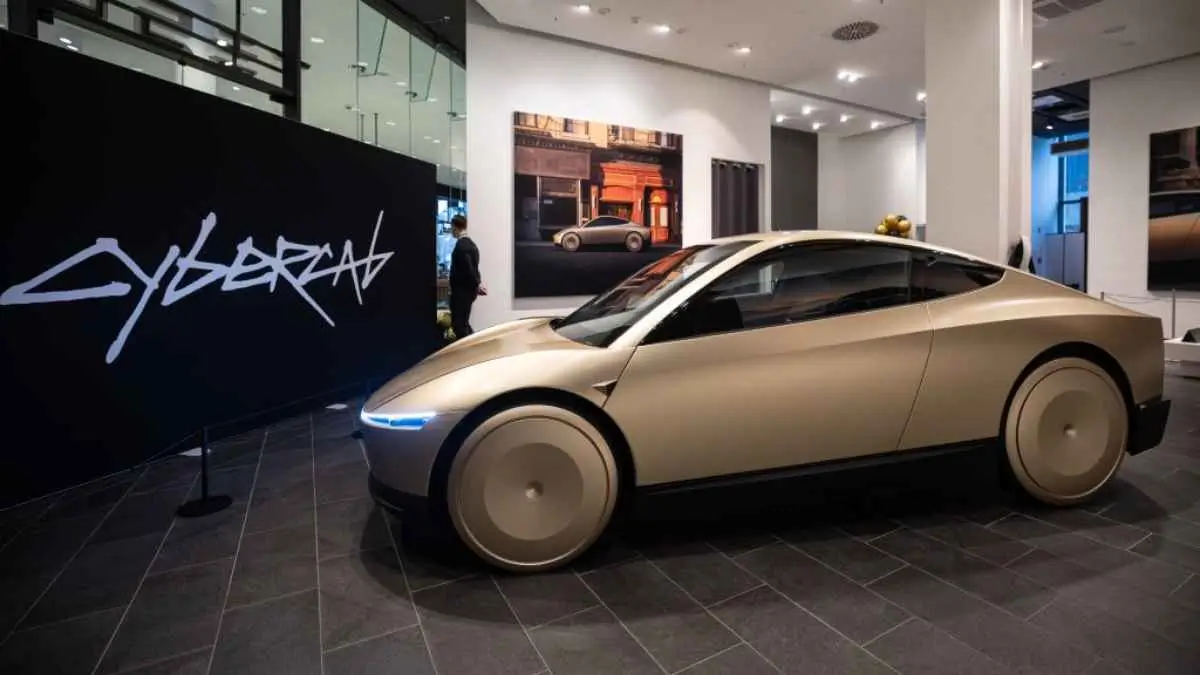
Cybercab is the first Tesla vehicle meant solely for self-driving. It includes a two-seater compartment with scissor doors and comes without a steering wheel or peddles, the entire autonomous function relying on full self-driving software offered by Tesla. Starting from 2026, Tesla has set up a large-scale production in their Gigafactory in Texas, and so far they have produced almost 100 units, which you can spot on their internal lots. For public road testing at the end of June, we have had production versions that are being driven around public roads. Employees still have been enjoying rides on private roads since July.
Last week, Tesla announced more preparation done in areas like getting emergency-response training for Auston-based first responders to equip them with the knowledge and skills to move the cybercabs in case the need arose. The company has too been using their official Robotaxi account on X for announcing the Cybercab’s launch event by inviting current passengers of the Robotaxi Model Y to make their journeys through August 23 in exchange for getting invited to a chance of attending the event.
Details of the technology from the beginning of this year describe a single front-mounted electric engine delivering about 219 horsepower with a battery pack capacity of around 48 kWh, and the vehicle has an estimated traveling range of over 400 miles. Although it will join the car-sharing network of Tesla only in the ride-hailing aspect, it is not expected to be owned by individuals at least initially; that means Cybercars will not be available in private ownership yet. The appearance of such a vehicle will indicate how the company has gradually switched, in a very subtle way, from Model Y’s robotaxi to a car in particular designed to reducing operational costs and increasing utilization.
Keeping the employees as a priority has been a key part of Tesla’s strategy as they first launched their robotaxi services last year in Austin. Even though the public is not the first group of passengers, the move can be counted as a step ahead in the company’s autonomous mobility plan, given that the obstacles are regulatory and operational.

Digital entrepreneur and content expert I help businesses with AI, SEO and the latest tech trends. I started Silicon Valley Weekly to make complex tech concepts easy to understand and use for business growth. I know a lot about systems and help startups, entrepreneurs and brands navigate the fast-changing world of tech and online marketing.
I build strategies that use data, search optimization, content marketing and AI tools to get visibility, engagement and revenue. I love finding ways for businesses to grow increasing their presence and turning new ideas into successful businesses. My goal is to connect the technology, with practical business use so brands can succeed online.