The Night Fashion Becomes Art
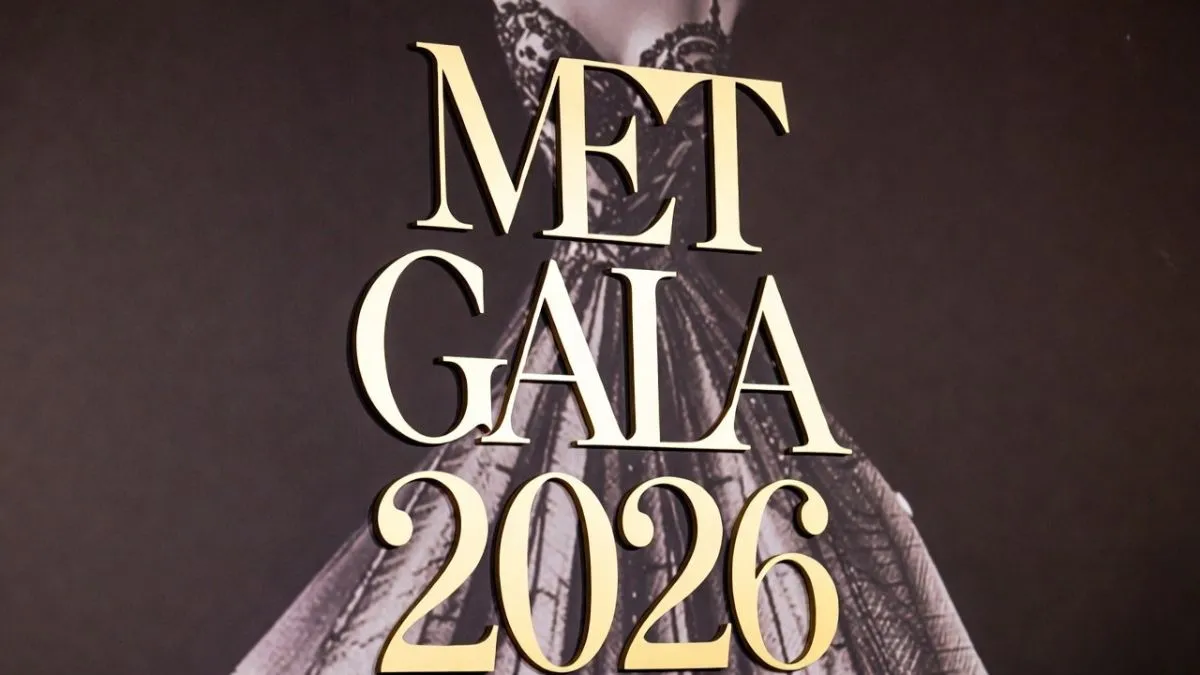
Honestly, nothing else compares to the Met Gala. It’s not just a party or a fundraiser. One night every year, New York’s Metropolitan Museum of Art turns its entrance into a stage, and everyone who’s anyone in music, movies, sports, or art struts up those steps—wearing outfits that are sometimes closer to modern sculpture than clothing. The 2026 theme, “Costume Art,” with a dress code of “Fashion Is Art,” pushed the boundary further than ever. This wasn’t just another excuse to dress up; it was a declaration. But to really get why this night mattered so much, you have to know how it all started.
From Modest Dinner to Global Frenzy
The Met Gala didn’t begin as the glittering extravaganza you see today. Back in 1948, publicist Eleanor Lambert came up with a simple idea: host a midnight dinner at the newly-founded Costume Institute and raise some funds. For maybe thirty years, it was a relatively quiet event. Fifty-dollar plates, New York’s old money crowd—no big press, no wild themes.
Then came Diana Vreeland in the early ’70s and everything changed. Vreeland—Vogue legend, fashion provocateur—turned the Costume Institute show into an experience. Suddenly, the exhibits had real bite. The Met Gala grew sharper and brasher by association. Themes got riskier, the guest list got more eclectic, and the event became a cultural magnet. She was the first to declare that fashion, shown with real curatorial care, deserved a place beside great art.
Anna Wintour took the whole thing to a new level in 1995. She saw what Vreeland started and doubled down. Wintour made the guest list as exclusive as a museum’s most prized acquisitions, upped the ticket price to jaw-dropping levels—$75,000 for one seat, tables were much more—and started crafting each theme as a kind of argument about where fashion fits in human culture. The parties became mythic: “Heavenly Bodies,” “Camp,” “A Lexicon of Fashion.” Each year, the event stopped being just a party—it became a global conversation about identity, art, and creativity.
By the 2020s, the Met Gala was more than just a fundraiser. It was the cultural event of spring. Overnight, it would rack up billions of social media impressions and spark endless debates, recaps, and hot takes. The Met stairs were the world’s ultimate runway.
Costume Art: 2026’s Vision
In 2026, Andrew Bolton—quiet, brilliant, innovative—put forward the most daring claim yet: fashion isn’t just related to art, it is art. The “Costume Art” exhibition reimagined the museum itself. Bolton argued, “What connects every department in this place? Easy. The dressed body.” The exhibit drove the point home—putting, for example, a Comme des Garçons garment side by side with a Hans Bellmer photograph, showing they share the same sculptural thinking. A classical Greek statue next to a Fortuny gown—two objects, separated by thousands of years, but sharing a philosophy about the body. Everywhere you looked, fashion was elevated, placed right next to painting or ancient sculpture.
The dress code “Fashion Is Art” gave attendees total freedom. Each guest could interpret the theme however they liked. The result was a wild, electric range of looks—maybe the most thought-provoking Met Gala red carpet yet.
The Co-Chairs: Icons at the Helm
Who hosts the Met Gala matters as much as what it’s about. This year, Anna Wintour picked three women whose impact stretches far beyond fashion: Beyoncé, Nicole Kidman, and Venus Williams.
Beyoncé’s return, after a decade away, felt like a cultural moment in itself. She’s always used fashion to amplify her message—political, personal, or creative—and her co-chair role fit perfectly. She showed up in a skeletal Olivier Rousteing gown, feathers trailing behind, literally turning her own body into art. She even made it a family moment, bringing her daughter Blue Ivy to her first Met Gala. The crowd buzzed.
Nicole Kidman, as always, brought that movie star sense of drama, confirming she’s in her own league when it comes to style. And Venus Williams? She took the concept of wearable iconography to heart, arriving in a Swarovski dress with a necklace that nodded to her Wimbledon victories—her entire career, distilled into one look. These women weren’t just famous faces. They embodied the evening’s theme.
A Moving Gallery on the Red Carpet
Inside, the Met was quiet, careful, curated. But outside, the carpet turned into a living, moving gallery—wild, sometimes strange, but always fascinating.
Some of the standout moments? Emma Chamberlain wore a Mugler dress hand-painted to look like Van Gogh’s “Garden at Arles”—it took forty hours just to paint and even longer to dry. It rippled around her as if she was actually wearing a painting. She called it “creepy, ominous,” and it was both beautiful and a little unsettling—exactly what ambitious fashion should be.
Blake Lively, always a Met Gala ace, showed up in Versace after winning a legal battle the same day—her cool under pressure became the real story of her look. Bad Bunny upended expectations by wearing Zara and prosthetic makeup that made him look decades older—a poke at the luxury fashion system, honestly. Kim Kardashian turned up for her thirteenth Met in a sculpted fiberglass top, using her body as material for industrial art. And Cher—well, she doesn’t need a theme. She simply is the theme.
Olympian Eileen Gu wore Iris van Herpen, floating in a dress that was equal parts science experiment and surrealist painting. “Art in motion,” she called it—summing up the whole night.
What 2026 Says About Fashion’s Future
Strip away the flash and you see the real message: in 2026, the Met Gala made it impossible to ignore that fashion is serious cultural business. By putting “Costume Art” front and center in one of the world’s great museums, the Costume Institute staked its claim—fashion doesn’t just belong in the conversation. It is the conversation.
The guest list told its own story, too—Beyoncé next to BLACKPINK’s LISA, Venus Williams alongside Cher. The boundaries between pop, sports, fashion, and art have melted away. Today, everyone’s in the mix.
So what’s the Met Gala, really? It’s not just a fancier party every year—it’s proof that what we wear shows who we are, and that who we are is, for real, a work of art.
FAQs:
1. What’s the Met Gala?
It’s a huge annual fundraiser for the Costume Institute at the Metropolitan Museum of Art—honestly, it’s the biggest night in fashion.
2. When did the Met Gala start?
It kicked off back in 1948 as a small dinner, thanks to Eleanor Lambert.
3. Who made it a global phenomenon?
Diana Vreeland and Anna Wintour really turned it into the spectacle everyone knows today.
4. What was the 2026 Met Gala theme?
In 2026, they went with “Costume Art” and the dress code, fittingly, was “Fashion Is Art.”
5. Who curated the 2026 exhibit?
Andrew Bolton led the way as curator.
6. Who were the 2026 Met Gala co-chairs?
Beyoncé, Nicole Kidman, Venus Williams, and Anna Wintour ran the show as co-chairs.
7. Why was Beyoncé showing up a big deal?
She hadn’t been to the Met Gala in almost ten years, and this time, her daughter Blue Ivy Carter came along for the very first time.
8. Which celebrity looks stood out?
Emma Chamberlain, Venus Williams, Blake Lively, Bad Bunny, Kim Kardashian, and Eileen Gu all turned heads with their outfits.
9. What was special about the “Fashion Is Art” dress code?
It basically gave everyone permission to blend fashion with art, history—their own stories. People got super creative.
10. How pricey is a ticket these days?
If you want to go now, a single Met Gala ticket runs over $75,000.
11. Who hosted the 2026 red carpet?
Ashley Graham, Emma Chamberlain, Cara Delevingne, and La La Anthony handled the red carpet coverage.
12. What did the 2026 Met Gala stand for?
It really drove home the message that fashion isn’t just clothes—it stands shoulder to shoulder with painting, sculpture, and all the other arts.

Digital entrepreneur and content expert I help businesses with AI, SEO and the latest tech trends. I started Silicon Valley Weekly to make complex tech concepts easy to understand and use for business growth. I know a lot about systems and help startups, entrepreneurs and brands navigate the fast-changing world of tech and online marketing.
I build strategies that use data, search optimization, content marketing and AI tools to get visibility, engagement and revenue. I love finding ways for businesses to grow increasing their presence and turning new ideas into successful businesses. My goal is to connect the technology, with practical business use so brands can succeed online.