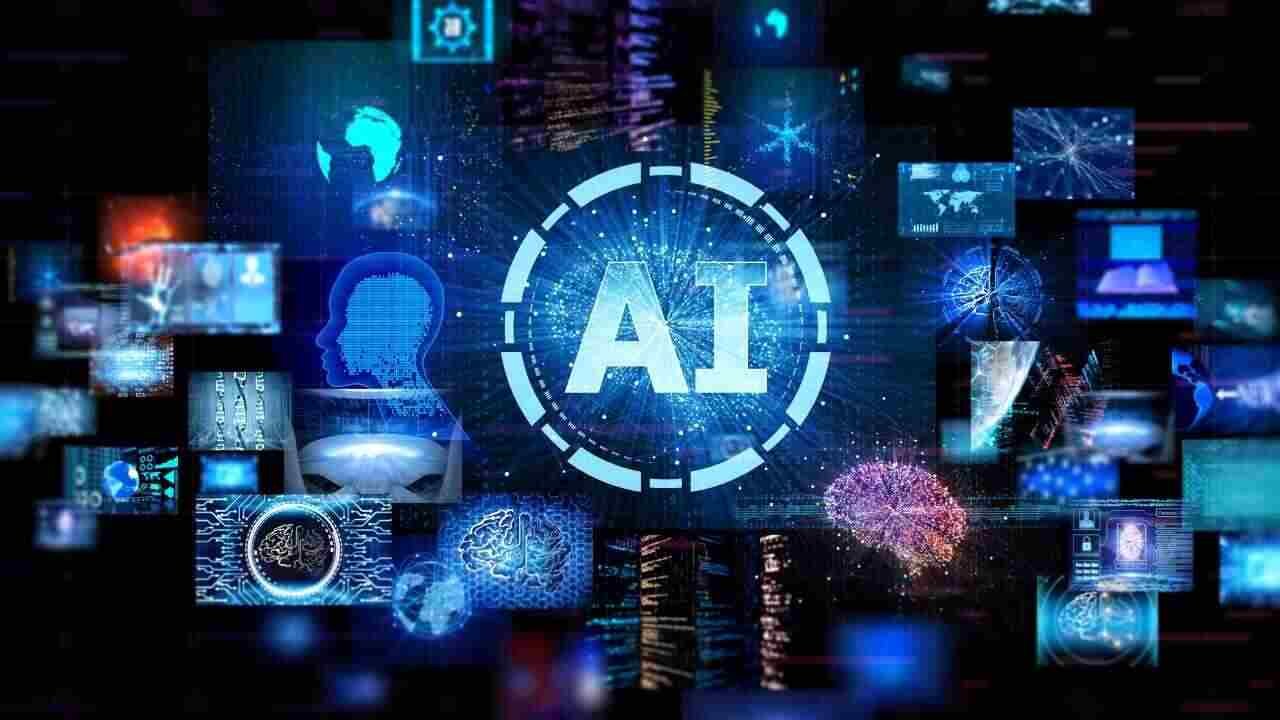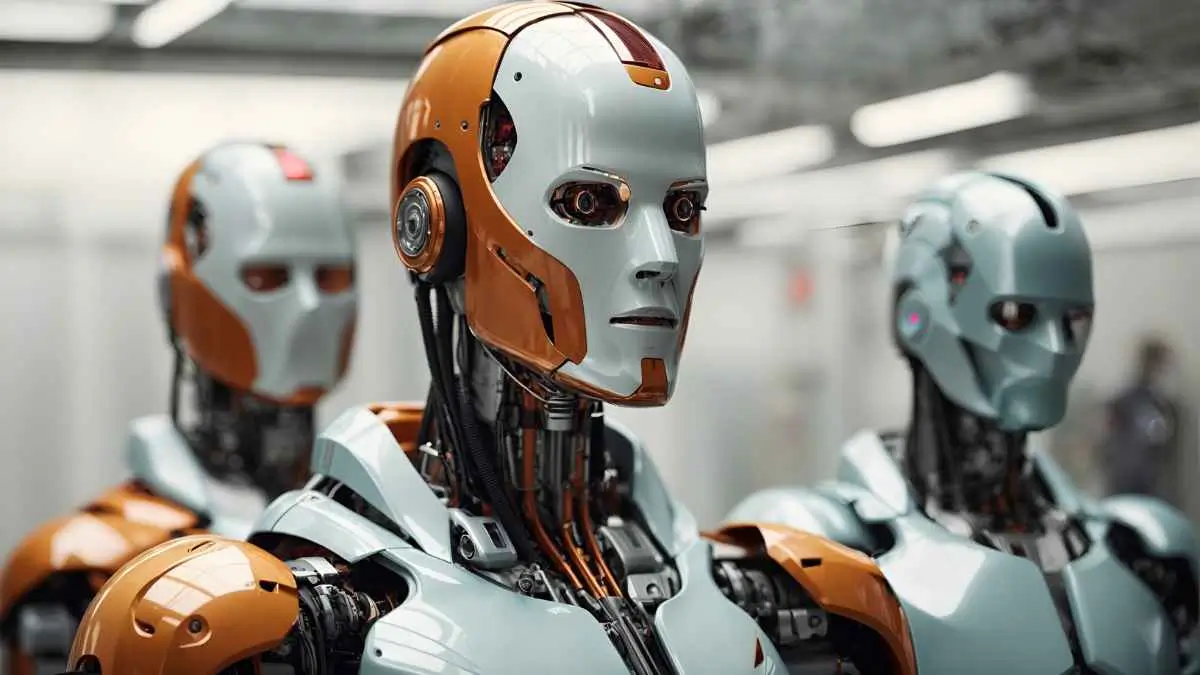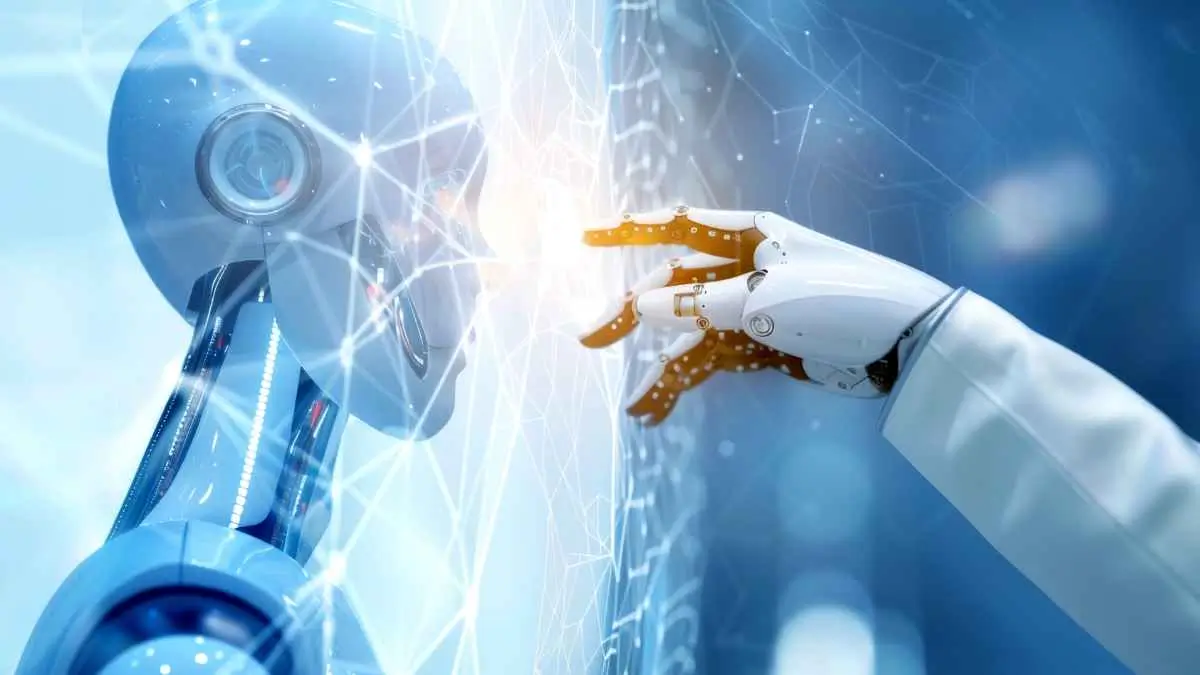

Generative AI is defined by the Merriam-Webster dictionary as an artificial intelligence program which has the ability to generate varied content such as text, images, etc., using information obtained from a huge database. This definition gives a brief description of a technology which was once experimental and became widely used in communication, creativity, and work.
Generative AI is not just a form of classification and prediction algorithm. Actually, this technology does not just read and write emails, but it composes music, generates varied chemical bonding formations, generates software codes, and performs complex jobs as an agent.
The Mechanics of Creation
Essentially, Generative AI is based on deep learning models. These are large neural networks that have been trained on huge amounts of data. In terms of language, the method being used, which is the most popular one, is called transformer and has been mentioned in the paper “Attention is All You Need,” published in 2017.
Thanks to the transformer models are able to evaluate which part of an input sequence is important. This is how the models make long texts coherent instead of simply receiving a result for a brief sequence. So, the large language models that have been trained properly can predict the next token in the sequence and such models are able to create essays, translate texts or write programs.
You Might Be Interested In:
- Artificial Intelligence in Modern Business
- French AI firm Mistral Unveils AI model Stronger Enough to Rival Chinese Open Systems
- AutoScheduler.AI App Builder: Warehouse App Builder for Logistics Teams
Image and video synthesis usually uses techniques based on diffusion models. The algorithm is trained by taking random noise and incrementally transforming it to match patterns found in the training set. There are multimodal models that implement the same concept but across multiple modalities such as text, vision, and audio. Thus, a single model can generate a caption of an image, manipulate it, and even create videos from captions. Training is computationally intensive, but not the inference, which has become much faster.
The outcome is statistical creativity. The model lacks subjective experience but has learned the distributions to such an extent that it is able to combine the elements in ways that often surprise even their inventors. Laws of scaling seen in the last few years indicate that bigger models trained with more data and compute keep getting better, albeit in an erratic manner and at a hefty cost.
From Lab Curiosity to Daily Companion
It is evident where the inflection point for modern generative era is. With GPT-3 in 2020, we realized that scale alone can generate fluent and useful language without any specific training. Then image generators came along – with DALL-E and Stable Diffusion opened to the public in 2022, anyone can do visual synthesis now. ChatGPT was released in November 2022, making the technology a household name and gaining about 100 million users in two months.
But the speed hasn’t really slowed down after that. We’ve seen reasoning models that utilize extra compute for thinking things through, long-context models that can take an entire book or a codebase as input and even agentic models that utilize tools and work within computers. By late 2026, frontier models at OpenAI, Anthropic, Google and others do complex coding, research and multi-step workflows.
Models that use weights open to the public have gotten very close to the proprietary models on many tasks, accelerating the experimentation and deployment. Adoption by enterprises is widespread – surveys show time and again that a majority of organizations use generative AI, but measurable financial gains are achieved only by those who rethink their workflows.
Power, Promise, and the Persistent Gaps
We already see tangible results. The developers state they have significantly improved productivity in routine programming, while designers and writers apply generators for brainstorming ideas and creating texts. Scientists sped up the processes of finding literature sources and creating hypotheses.
Users also got a capable assistant for writing, analyzing, and learning. Nevertheless, the technology exacerbates old problems such as the phenomenon of hallucinations (sounds plausible but is actually false), copyright issues connected with data used for training, risks of sophisticated misinformation generation, and high energy consumption during the training process.
Labour markets are undergoing transformations. Some tasks become automated or faster; the need for people capable of managing, evaluating, and combining AI systems is growing. Companies that see generative AI as just a mean for reducing costs don’t gain significant benefits. Companies that redesign their processes, invest in their employees, and adopt clear rules to implement generative AI gain lots of benefits from the use of this technology.
Toward Partnership, Not Replacement
The key way to understand Generative AI is as a highly efficient tool for amplifying human intent and skills, not as a machine that replaces humans with its own intentions. Generative AI is great at performing tasks when it is provided with goals, contexts, and human input. Although in 2026 machines will be able to think better, use tools, and perform prolonged coherent actions better than before, they still need instructions, validation, and domain knowledge to produce quality results.
As far as the future is concerned, there seems to be one clear trend – increasing interpenetration of generative AI systems with other software and physical systems within specific industries. However, whether the technological progress leads to broad economic and scientific advances will depend mostly on how people decide to use these technologies. It can be said that now machines have learned to create, but what we create with them remains our choice.

Digital entrepreneur and content expert I help businesses with AI, SEO and the latest tech trends. I started Silicon Valley Weekly to make complex tech concepts easy to understand and use for business growth. I know a lot about systems and help startups, entrepreneurs and brands navigate the fast-changing world of tech and online marketing.
I build strategies that use data, search optimization, content marketing and AI tools to get visibility, engagement and revenue. I love finding ways for businesses to grow increasing their presence and turning new ideas into successful businesses. My goal is to connect the technology, with practical business use so brands can succeed online.