
An editorial look ahead at the priorities likely to shape wellness in 2027—not a report of completed survey findings.
However, in 2027 there may be a feeling that wellness is too much of a ‘control’ concept. People are busy, lack trust, affordable options and confidence in how another wellness intervention will improve their lives. Instead, we are likely to see more subtle wellness trends, where the goal is to have greater control and resilience in living life to the best of your ability.
1. Mental Health – From Crisis to Daily Life
Mental health has now become a key consideration for everyone. It influences decisions about how you work, your family, sleep, community and digital life. In the future we will see a shift towards improving ease of access to mental health support, rather than encouraging individuals to ‘be resilient’.
More holistic approaches will be taken, using human support as well as technological solutions. Peer support, and policies to improve mental health in the workplace such as reduced pressure. Access and continuity will become key.
Technology can certainly help overcome barriers such as affordability, however mental health isn’t an app. The best mental health solutions will offer automation but also transparency around privacy, limitations and escalation to professionals.
2. Longevity to Healthspan
Whilst we will still see a fascination with living longer, we will see a greater focus on how you feel during your lifespan. Healthspan looks at how long you spend living well.
This can encourage preventative health solutions, focusing on building strength, mobility, cardiovascular health, sleep, nutrition, social connections and regular check ups. However, it can also create a gap.
Premium longevity solutions can create a perception that prevention is an expensive luxury. Healthy ageing will depend on many factors such as housing, income, healthcare and safe spaces to move. A genuine wellness trend will be focussed on who can live longer in good health. We will see a shift to realistic and evidence based habits that help people live their lives to the best of their ability.
3. Personalisation with Privacy
Wearables and health apps are becoming more popular, providing us with data on our body. This can include heart rate, sleep, movement, stress and menstrual cycle. Whilst personalisation can help provide more relevant advice, it can also create a feeling that you are always being watched. You may also feel unsure about who owns your data.
By 2027 people may get tired of tracking their data and want to understand what the numbers mean. They will want to know how accurate it is and if taking action will help them. Too much data can sometimes create more anxiety. Trust will become key. Businesses who are transparent about uncertainties, collect little data and give real control will gain more loyal customers. Wellness technology will become more about what they won’t tell you.
4. Rest becomes Cultural
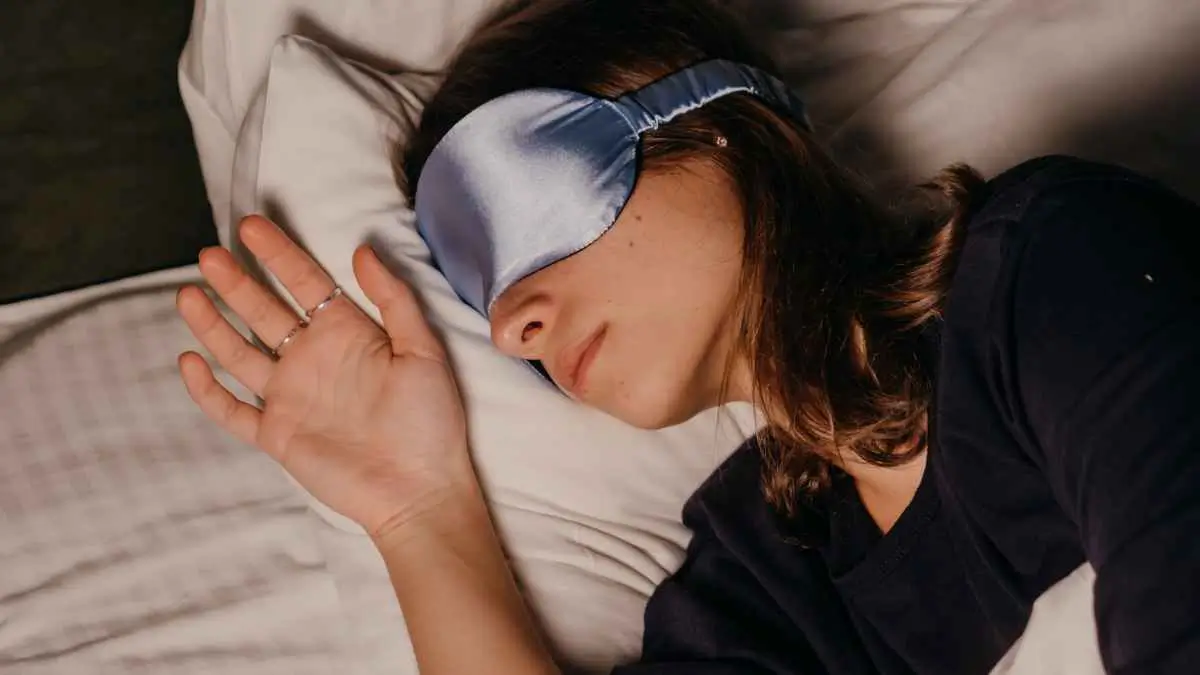
Rest has been marketed as a way to perform better. However, we are likely to see a more mature wellness culture develop. Rest will become seen as a natural human need.
Rest, taking breaks and reducing screen time will still be a big focus. However, we will see an understanding that no bedtime routine can make up for excessive working hours, unstable employment and constant digital interruptions. This can help wellness become more aware of political and social issues. Instead of asking how people can manage stress, we will start to ask why so much stress is being caused and who has control.
5. Community as a Health Tool
Wellness has often been seen as an individual activity, however community, looking after each other and having regular human interaction is one of the longest standing foundations.
This can help increase interest in group exercise, community programmes, eating together and intergenerational activities. Whilst these may not seem as exciting as a tech filled clinic, they can be more accessible and sustainable. They also provide structure, accountability and motivation. Connection may become the most undervalued wellness intervention. We will need to ensure inclusivity within communities.
Measuring Success
A positive wellness landscape in 2027 will focus on giving people access to trustworthy support, affordable options, privacy and habits that fit into their lifestyle. The most important trend may be the shift in expectations. Wellness will no longer be seen as constant improvement through self-care. It will become a skill we all have, with individuals, communities, workplaces and public systems helping us. Success won’t be about optimising every hour of your day, but having more space to be well.

Digital entrepreneur and content expert I help businesses with AI, SEO and the latest tech trends. I started Silicon Valley Weekly to make complex tech concepts easy to understand and use for business growth. I know a lot about systems and help startups, entrepreneurs and brands navigate the fast-changing world of tech and online marketing.
I build strategies that use data, search optimization, content marketing and AI tools to get visibility, engagement and revenue. I love finding ways for businesses to grow increasing their presence and turning new ideas into successful businesses. My goal is to connect the technology, with practical business use so brands can succeed online.