
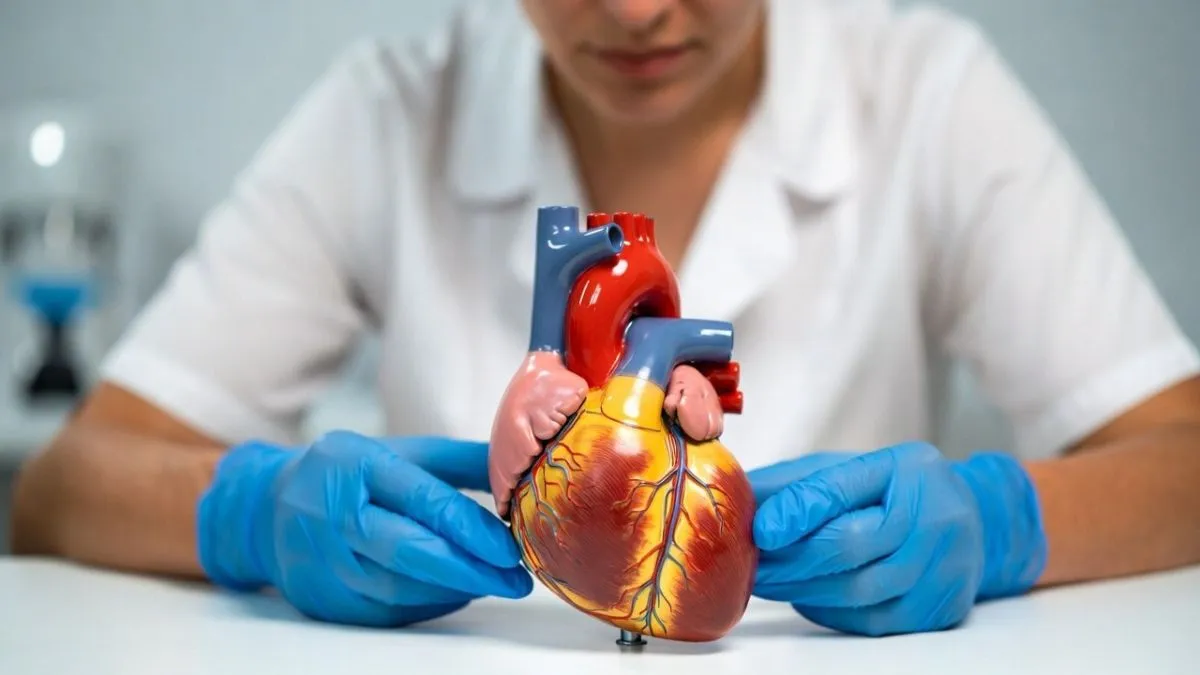
Your heart beats about 100,000 times a day, sending blood, oxygen, and nutrients to every cell in your body. Your heart works harder than any other organ in your body, but heart disease is still the number one cause of death around the world. The good news is that you can control a lot of your cardiovascular risk. You can greatly lower your risk of heart disease and live a longer, more active life by making smart choices about your lifestyle, keeping an eye on your health, and taking care of yourself. This is a full guide to the best, most proven ways to make your heart healthier.
Eat a diet that is good for your heart
What you eat has a direct and strong effect on your heart and blood vessels. A diet that is good for your heart is one that lowers bad cholesterol (LDL), keeps blood pressure normal, and keeps body weight in check. Many people think that the Mediterranean diet is one of the best ways to eat for heart health. It stresses eating whole grains, fresh fruits and vegetables, legumes, nuts, seeds, olive oil, and lean proteins like fish and chicken.
Fatty fish like salmon, mackerel, and sardines are full of omega-3 fatty acids, which are very good for you. They help lower blood pressure, triglycerides, and the formation of plaque in the arteries. Try to eat fish at least twice a week.
Cutting back on saturated fats, trans fats, and too much sodium is just as important. These bad things are often found in processed foods, fast food, and packaged snacks. Instead of refined carbs, eat whole grains like oats, quinoa, and brown rice. Eat more vegetables, lentils, and beans to get more fiber. Fiber lowers LDL cholesterol and keeps your gut healthy, which is becoming more and more linked to heart health.
Don’t forget how strong antioxidants are. Berries, dark leafy greens, and nuts all have chemicals that fight oxidative stress, which is one of the main causes of heart disease. Dark chocolate (70% cocoa or more) also has flavonoids that help blood flow and make arteries more flexible.
Get some exercise every day
Exercise is good for your heart. Exercise on a regular basis strengthens the heart muscle, improves circulation, lowers blood pressure, raises good cholesterol (HDL), and helps you stay at a healthy weight. The American Heart Association says that people should do at least 150 minutes of moderate-intensity aerobic exercise each week, which is about 30 minutes five days a week.
Brisk walking, cycling, swimming, dancing, or light jogging are all examples of moderate-intensity activities. You can get similar heart health benefits from 75 minutes of vigorous exercise each week, like running or high-intensity interval training (HIIT). The most important thing is to be consistent. It’s much better to work out moderately every day than to do one hard workout and then sit around for the rest of the week.
People often forget about strength training as an important part of heart health. Lifting weights or doing bodyweight exercises two to three times a week helps lower visceral fat (the fat that surrounds the organs), makes insulin more sensitive, and helps keep blood pressure in a healthy range. Over time, even small things like climbing stairs, gardening, or taking short walks after meals can have a big impact on your heart health.
It’s fine to start slowly if you’ve been sitting around for a while. A 10-minute walk every day is a great first step. As you work out, pay attention to how your body feels and slowly increase the length and intensity of your workouts.
Stop smoking and drink less alcohol.
One of the worst things you can do to your heart and blood vessels is smoke. The chemicals in tobacco smoke hurt the lining of blood vessels, make plaque form, raise blood pressure, lower oxygen levels in the blood, and greatly raise the risk of heart attack and stroke. When it comes to heart health, there is no safe amount of smoking. Even after years of smoking, quitting starts to fix a lot of the damage. In fact, the risk of heart disease drops by half within just one year of quitting.
Drinking too much alcohol is also very bad for the heart. Heavy drinking can raise blood pressure, make you gain weight, and raise your triglycerides. It can also cause alcoholic cardiomyopathy, a condition in which the heart muscle weakens over time. If you drink, do so in moderation. For women, that usually means no more than one drink a day, and for men, no more than two. Some studies suggest that moderate amounts of red wine may be good for your heart because it contains resveratrol. However, experts warn against using this as a reason to start drinking if you don’t already.
Handle stress well
Chronic stress is a serious but quiet danger to heart health. When you’re under stress for a long time, your body makes cortisol and adrenaline, which speed up your heart rate and blood pressure, cause inflammation, and lead to bad habits like drinking, smoking, or overeating. Over time, long-term stress damages arteries and raises the risk of heart disease.
Managing stress is not an option; it is a must for heart health. Many studies have shown that mindfulness meditation can lower blood pressure and lower signs of inflammation. Even just 10 minutes of focused breathing or guided meditation every day can make a big difference. Yoga is a great way to improve heart health because it combines physical movement with breathing and mindfulness.
Some other good ways to deal with stress are spending time in nature, staying connected with friends and family, writing in a journal, doing creative hobbies, and getting enough sleep. Mental and physical health are very closely linked, and taking care of your emotional health is a real investment in your heart.
Put Sleep First
The body fixes itself while you sleep, and the heart is no different. When you sleep deeply, your blood pressure naturally goes down, which gives your heart and blood vessels a much-needed break and time to heal. Getting less than six hours of sleep every night is linked to a much higher risk of heart disease, diabetes, obesity, and high blood pressure.
Adults should try to get seven to nine hours of good sleep every night. Going to bed and waking up at the same time every day helps the body’s natural circadian rhythm and makes sleep better. To get better sleep, you can cut down on screen time before bed, keep the bedroom dark and cool, stay away from caffeine in the evening, and drink less alcohol before bed.
Sleep apnea, a disorder characterized by recurrent cessation of breathing during sleep, constitutes a significant cardiovascular risk factor. It makes the heart work harder and lowers the amount of oxygen in the blood over and over. Talk to your doctor about being tested for sleep apnea if you snore loudly, wake up a lot, or don’t feel rested even after getting enough sleep.
Keep an eye on important health numbers
You can’t control what you don’t measure. To stop heart disease and find it early, you need to know your most important heart health numbers. Blood pressure, blood sugar, cholesterol levels, and body mass index (BMI) or waist circumference are the most important numbers to keep an eye on.
People often call high blood pressure (hypertension) the “silent killer” because it doesn’t show any signs of damage to arteries and puts a lot of stress on the heart. A blood pressure reading below 120/80 mmHg is healthy. If your numbers are high, you can bring them down by making changes to your lifestyle and, if necessary, taking medicine.
You should check your cholesterol levels often, especially your LDL (bad cholesterol), HDL (good cholesterol), and triglycerides. Heart disease and plaque buildup in the arteries are linked to high LDL and low HDL. Checking your blood sugar is just as important because type 2 diabetes greatly raises your risk of heart disease.
Even if you feel fine, make sure to see your doctor for regular check-ups. Finding risk factors early on lets you take action before serious damage happens.
Keep Your Weight in Check
Carrying around too much weight, especially around the stomach, puts a lot of stress on the heart and raises the risk of heart disease, high cholesterol, type 2 diabetes, and high blood pressure. Belly fat, in particular, is active in the body and causes inflammation, which speeds up damage to the arteries.
Even a small amount of weight loss, like 5% to 10% of your body weight, can make a big difference in your blood pressure, cholesterol, and blood sugar levels. Instead of going on extreme diets or trying to lose weight quickly, make long-term changes to your lifestyle, like eating whole, nutrient-dense foods, controlling your portion sizes, staying active, and dealing with emotional eating.
Keep in mind that managing your weight in a healthy way is a lifelong commitment, not just a goal for a short time. Over time, small, steady improvements add up to amazing results for your heart and health in general.
Drink plenty of water and limit sugary drinks.
Staying hydrated is important for heart health in a small but real way. The heart doesn’t have to work as hard to pump blood when you’re well-hydrated. On the other hand, dehydration makes the blood thicker, which makes the heart work harder to move it around.
Try to drink enough water throughout the day—about eight glasses for most people, but this number can change based on how active you are, the weather, and your body size. Be careful with sugary drinks like sodas, energy drinks, and sweetened juices. They can make you fat, raise your triglycerides, and make you more likely to get heart disease. When you can, drink water, herbal tea, or drinks without sugar instead.
Final Thoughts
A single habit doesn’t determine heart health; it’s the sum of all the choices you make every day over your life. Eating well, exercising regularly, getting enough sleep, managing stress, not smoking, and keeping track of your numbers are all parts of the same puzzle. The heart is very strong and can last for decades if you take care of it properly. Make one change today, then add to it tomorrow. Keep going until you have a healthier, stronger heart.