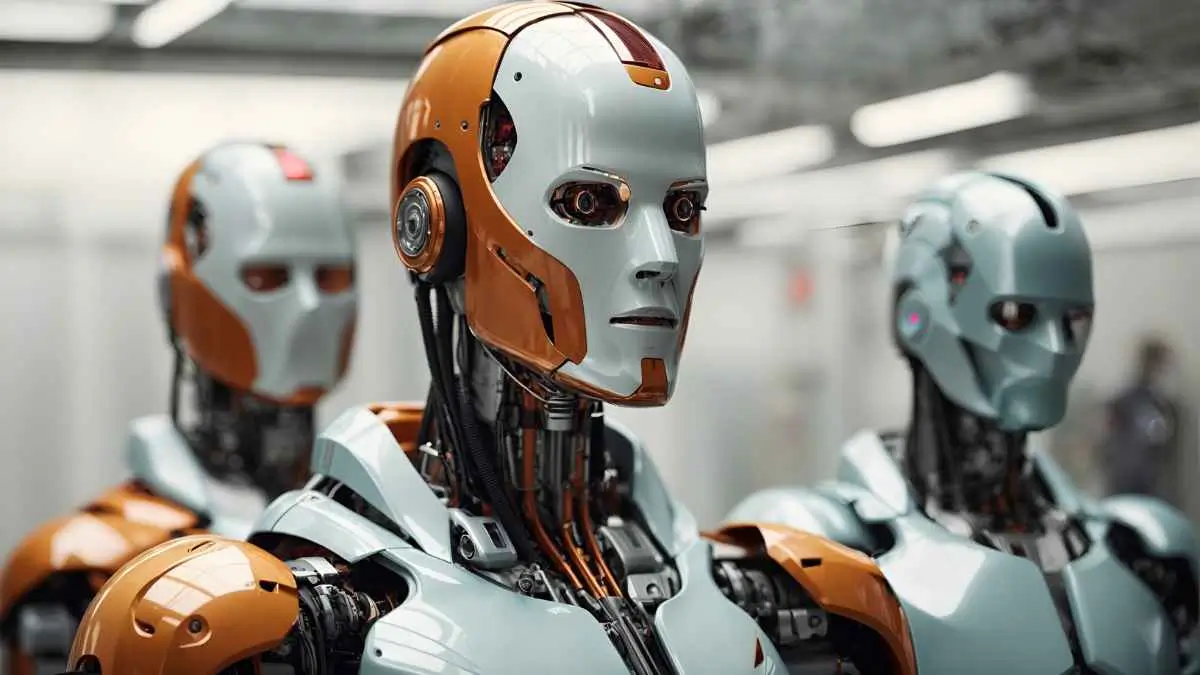
Artificial Intelligence (AI) is not a concept in science fiction; it’s a real force changing the world economy and how we work. AI is transforming industries, jobs and employment structures. As companies adopt AI technologies the future of work is evolving in challenging ways.
One major impact of AI is automation. Machines and algorithms can now do tasks that humans used to do. Routine jobs in manufacturing, data entry and customer service are being handled by AI systems. This helps companies be more efficient save money and reduce errors. However it also raises concerns about job loss. Workers in roles with tasks may see their jobs become obsolete leading to economic uncertainty.
Despite these concerns AI is not just destroying jobs; its also creating ones. New technologies create demand for roles like data science, machine learning engineering, AI ethics and robotics. AI is also enhancing capabilities. In healthcare AI helps doctors diagnose diseases accurately. In finance it helps analysts process datasets to make informed decisions. AI acts as a tool that boosts productivity.
Another important aspect of AIs influence on work is the changing nature of skills. There’s a growing demand for skills like programming and data analysis. Human skills like creativity, critical thinking and emotional intelligence are becoming more valuable. As AI takes over tasks workers will focus on higher-level tasks that require judgment and innovation. This shift highlights the need for learning and upskilling.
AI is also enabling flexible work. Intelligent tools allow communication and project management across the globe. Virtual assistants and AI-driven analytics platforms help employees work efficiently from anywhere. This flexibility can improve work-life balance and job satisfaction. However it also presents challenges like maintaining team cohesion and ensuring data security.
You might also like:
- What Makes IMAX Dome Theaters Unique?
- Why Silicon Valley Became the World’s Tech and Innovation Hub
- Andreessen Horowitz Launches $42M College Alternative With No Degree
- When Do You Need an Electrician and How to Choose the Right One
- What Is an AI Agent?
The gig economy is another area where AI is making an impact. AI-powered platforms match workers with tasks or clients expanding opportunities for freelance and contract work. This model offers independence but often lacks stability and benefits. Policymakers and organizations must address issues related to worker rights and job security.
When it comes to AI and work ethics are crucial. Bias in AI algorithms can lead to hiring practices or workplace discrimination. Organizations must prioritize transparency, accountability and inclusivity in AI development and deployment. Governments must establish regulations that protect workers while encouraging innovation.
AI integration affects structures and leadership styles. Decision-making is becoming more data-driven with AI providing insights that guide planning. Leaders must adapt by embracing technology and fostering a culture of collaboration and trust.
AI has the potential to address challenges like labor shortages and productivity gaps. In industries with labor shortages AI can fill roles. For example in agriculture AI-powered systems monitor crop health. These advancements contribute to growth and sustainability.
However the transition to an AI-driven future is not without obstacles. Economic inequality may widen if access to AI technologies and education is uneven. To mitigate these risks, governments, educational institutions and private organizations must collaborate to ensure access to training and opportunities.
In conclusion Artificial Intelligence is profoundly transforming the future of work. While it introduces challenges it also offers opportunities for innovation and economic growth. The key to navigating this transformation lies in adaptability. Workers must embrace lifelong learning organizations must invest in AI implementation and policymakers must create frameworks that balance progress, with protection. By taking an inclusive approach society can harness AIs potential to create a future of work that is efficient equitable and fulfilling.

Digital entrepreneur and content expert I help businesses with AI, SEO and the latest tech trends. I started Silicon Valley Weekly to make complex tech concepts easy to understand and use for business growth. I know a lot about systems and help startups, entrepreneurs and brands navigate the fast-changing world of tech and online marketing.
I build strategies that use data, search optimization, content marketing and AI tools to get visibility, engagement and revenue. I love finding ways for businesses to grow increasing their presence and turning new ideas into successful businesses. My goal is to connect the technology, with practical business use so brands can succeed online.