
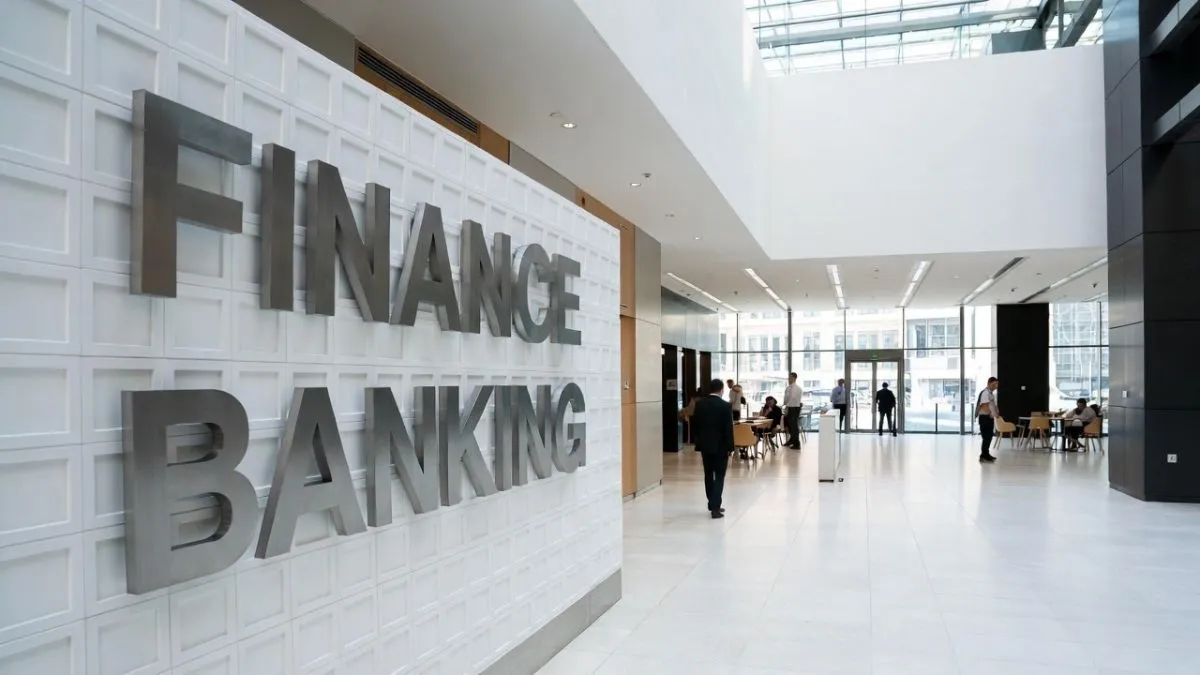
The End of Banking as We Knew It
The way banks were built changed very little for more than three hundred years. There were branches on busy streets, loan officers worked behind oak desks, and paper ledgers were replaced by mainframes, but the basic idea stayed the same. A reliable bank kept your money safe, lent it to other people, and charged a fee for the service. That model is now under pressure from all sides at once: from tech companies that have quietly become lenders, from regulators who want more openness that old systems can’t easily provide, and from a generation of customers who have never written a check and don’t see the point of going to a branch. The change that is happening now is not just digital; it is also architectural, cultural, and philosophical.
AI Takes Over as the New Relationship Manager
The use of artificial intelligence throughout the entire lending and servicing stack is the most immediate and far-reaching change. Credit decisions that used to take weeks of manual underwriting can now be made in seconds, using thousands of data points that a human officer would never think to look at, like cash flow patterns and how often utility bills are paid. Big banks are quietly replacing a lot of their back-office workers with models that can find fraud, figure out risk, and give personalized financial advice to a lot of people at once. This isn’t a far-off idea; banks like JPMorgan Chase, HSBC, and DBS in Singapore have already started using AI-powered advisory tools that change their advice in real time as a customer’s financial situation changes. The change makes people uncomfortable about who is responsible. Who explains why an algorithm won’t give someone a mortgage?The banks that will last will be the ones that see data as the most important part of their business, not just a by-product.
The Growth of Embedded Finance
One trend that most people don’t even notice is that financial services are becoming part of other products. This is probably the most disruptive trend in terms of structure. When a freelancer on a gig platform gets an instant advance on money they haven’t been paid yet, they aren’t going to the bank, but banking is still happening. When a customer chooses to pay for something in installments at checkout, an underwriting decision is made in a matter of milliseconds. This is embedded finance, and it is changing the way and where money moves. With open banking APIs, real-time payment rails, and Banking-as-a-Service platforms, any business with a software interface can offer accounts, cards, insurance, or credit. Traditional banks are in a tough spot: they can either become invisible infrastructure that powers their competitors’ products or start over with their customer relationships.
Central Bank Digital Currencies and the New Way to Use Money
Private cryptocurrencies go through phases of speculative excitement and regulatory hostility, but the more important monetary experiment is being run by governments themselves. More than 130 countries are looking into or testing central bank digital currencies. These are programmable, state-backed forms of money that could completely change how monetary policy is communicated and how people can access financial services. China’s digital yuan has already been used for hundreds of billions of transactions. The European Central Bank is well into its test of the digital euro. A CBDC doesn’t just turn cash into digital cash; it also makes it possible to have money that expires, money that can only be spent in certain categories, and money that goes straight to citizens without going through commercial banks. People are just starting to figure out what this means for the economy as a whole.
You might also like:
- What Makes IMAX Dome Theaters Unique?
- Why Silicon Valley Became the World’s Tech and Innovation Hub
- Andreessen Horowitz Launches $42M College Alternative With No Degree
- When Do You Need an Electrician and How to Choose the Right One
- What Is an AI Agent?
Decentralized finance grows up, but slowly
The idealistic idea of decentralized finance, where lending, borrowing, and trading are all done through self-executing smart contracts with no middleman, has run into the real-world problems of human greed, technical problems, and regulators who are getting tired of waiting. But the infrastructure that is being built is not going away. Institutional adoption of tokenized assets like real estate, bonds, and private equity on blockchains is growing quickly, but you don’t hear much about it in the news. BlackRock, Fidelity, and Franklin Templeton have all started selling tokenized fund products. It is likely that there won’t be a world without banks, but rather a world where the lines between on-chain and off-chain finance are less clear and compliance is a layer of code instead of a group of people.
The biggest promise of technology that hasn’t been kept yet is financial inclusion.
Even though algorithmic trading and digital assets are getting a lot of attention, the most important use of financial technology may be the simplest: helping the 1.4 billion people who don’t have a bank account get basic services. Mobile money has already shown what is possible. For example, M-Pesa in Kenya created a payment system that most adults in the country use, even though formal banking has always been hard to get to. In South and Southeast Asia, digital payment systems have brought hundreds of millions of people into the financial system in just ten years. The next big thing is credit and insurance for people who don’t have a formal credit history. Alternative data and AI-driven underwriting could either make it much easier for these people to get credit and insurance, or, if not properly managed, they could make new forms of discrimination even worse. The technology doesn’t pick sides. The results won’t be.
The Race to Keep Up with Regulation
There will always be a regulatory response to new financial innovations, and this one will be no different. The problem for regulators around the world is that the normal legislative cycle can’t keep up with how fast and complicated things are changing. The European Union’s Markets in Crypto-Assets regulation, the United States’ ongoing fights over stablecoin oversight, and India’s changing data governance framework are all examples of efforts to put limits on technologies that were made to work without them. The institutions that will do well are the ones that don’t see compliance as a problem but as a way to stand out from the competition. They show regulators and customers that they can be trusted with more and more personal financial information. In the end, trust is still the most important part of finance. The ledger is different. The rule doesn’t.
Frequently Asked Questions (FAQs)
Will traditional banks disappear in the next decade?
Unlikely. Traditional banks are evolving rather than disappearing. Many are partnering with fintechs, investing heavily in AI, and rebuilding digital infrastructure. The branch network will shrink, but licensed institutions carry trust, regulatory standing, and capital that challengers still struggle to replicate.
What is a Central Bank Digital Currency (CBDC)?
A CBDC is a digital form of a country’s official currency, issued and backed directly by its central bank. Unlike cryptocurrencies, it is not decentralised — it is a state liability, the same as physical cash, but programmable and transferable without commercial bank intermediaries.
How does embedded finance affect everyday consumers?
Consumers increasingly access credit, insurance, and payments inside apps they already use — ride-sharing, e-commerce, payroll — without opening a separate bank account. This makes financial services more convenient, but it also means fewer people notice who is actually providing them or on what terms.
Is AI in banking safe and unbiased?
Not automatically. AI models can inherit and amplify biases present in historical data — disproportionately denying credit to certain demographics, for example. Regulators in the EU and US are increasingly requiring explainability and fairness audits for algorithmic credit decisions, but oversight is still catching up with deployment.
What is the difference between DeFi and traditional finance?
Decentralised finance (DeFi) uses blockchain-based smart contracts to replicate financial functions — lending, trading, earning yield — without a central institution. There are no loan officers or compliance teams; rules are enforced by code. This removes intermediaries but also removes consumer protections, making it higher-risk.
How can technology improve financial inclusion?
Mobile-first platforms can reach people who lack access to physical branches. Alternative data — utility payments, airtime top-ups, purchase history — allows AI to assess creditworthiness for those with no formal credit record. The key challenge is ensuring these tools expand access fairly rather than extending predatory lending at scale.

Digital entrepreneur and content expert I help businesses with AI, SEO and the latest tech trends. I started Silicon Valley Weekly to make complex tech concepts easy to understand and use for business growth. I know a lot about systems and help startups, entrepreneurs and brands navigate the fast-changing world of tech and online marketing.
I build strategies that use data, search optimization, content marketing and AI tools to get visibility, engagement and revenue. I love finding ways for businesses to grow increasing their presence and turning new ideas into successful businesses. My goal is to connect the technology, with practical business use so brands can succeed online.