A New Era for Meta’s Wearable Ambitions
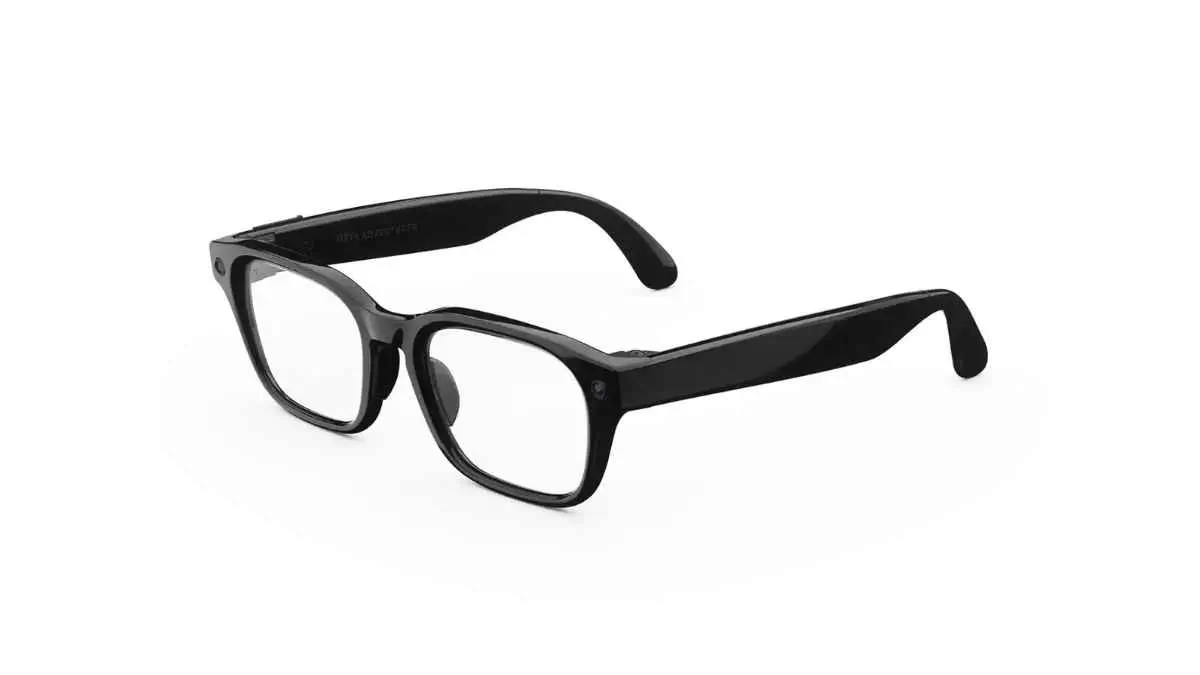
Meta has finally emerged from the shadow of its eyewear partners and today revealed a smart glasses lineup under its own name for the first time. The new collection features three distinct styles: the Meta Adventurer, the Meta Fury and a celebrity collaboration called Meta Glasses by Kylie, which was revealed at a press event in New York on June 23, 2026. Meta has leaned on the borrowed credibility of Ray-Ban and Oakley for years in its wearable strategy, but this launch is a conscious turn to carve out its own identity in a category it has come to own.
Prices That Beat Out the Competition
The most immediate headline from the announcement is the price. The new Meta-branded glasses start at $299, a full $80 less than the second-generation Ray-Ban Meta glasses, which are priced at $379, and well below the $499 starting price of the Oakley Meta line. “It was mainly about making things accessible, ” said Meta’s CTO and Reality Labs chief, Andrew Bosworth, at the event. He added that reaching more consumers is just as much a matter of affordability as it is about design and style. The Ray-Ban and Oakley collaborations are not canceled, but the new collection essentially establishes a new, lower price level for the entire smart glasses category, a decision aimed at expanding the funnel for the average consumer who might have been priced out before.”
Same Hardware, Same Manufacturing Partner
Even if the branding is different, the hardware base is not far removed from what came before. The new Meta Glasses are built in-house, but still in partnership with EssilorLuxottica, the eyewear conglomerate behind both Ray-Ban and Oakley. The continuity means that buyers will see the same build quality and component specs as the Ray-Ban Meta Gen 2 line, but with Meta’s own branding and at a lower price. If you’re looking for something similar to traditional eyewear, the Meta Adventurer offers a simple, rectangular silhouette in standard and large sizes, while the Meta Fury goes with a thicker, more boxy silhouette for a more daring look. All three new models are prescription lens compatible with a wide range of power, making them practical for the millions who wear corrective eyewear daily.
Meta Announces Muse Spark, Its Own Proprietary AI Model
The most significant update buried under the hardware refresh is the software. The new glasses debut with Muse Spark, the first product from Meta Superintelligence Labs, and the company’s first proprietary, closed-weight AI system — a stark departure from the open-source Llama approach Meta has pushed in recent years. Muse Spark is designed specifically for low-latency wearable inference, so it’s optimized to deliver fast responses without draining the battery life. Crucially, the upgrade isn’t just for those who purchase the new $299 hardware. Owners already own a larger installed base of existing Ray-Ban Meta and Oakley Meta glasses that Muse Spark said will get the smarter assistant through a software update.
What the Glasses Really Can Do
Before launch, journalists got hands-on experience with the new glasses in demos that tested them through a variety of everyday tasks. The AI assistant could estimate the calories in a bowl of strawberries, translate signage from Arabic to English and recommend nearby museums based on location. In a notable demo, the glasses correctly determined a prop container of fake cherries wasn’t real, implying major advances in visual reasoning. But industry watchers say these capabilities are essentially in line with what Meta’s existing glasses already do, meaning the leap may not be dramatic enough to win over consumers who remain skeptical of the category.
The Kylie Jenner Collaboration
The Kylie Meta Glasses are the most unique of the three new models, both in appearance and in function. The model, designed in partnership with Kylie Jenner, has a custom chime sound that plays when wearing the glasses, as well as the ability to replace Meta’s default AI voice with an AI-generated version of Jenner’s own voice. The collaboration is part of Meta’s larger play to make smart glasses a fashion accessory, not just a tech gadget, and raises an open question in the industry about whether celebrity-driven design partnerships are a fleeting fad or an early look at the category’s future.
A Dominant Market Position, for the Time Being
Meta’s timing is real momentum. IDC reports that global shipments of camera-enabled smart glasses with no displays grew 167% year-over-year in the first quarter of 2026, while Meta owns about 69 to 80% of the AI glasses market depending on the research firm. CEO Mark Zuckerberg noted in an April earnings call that daily active usage of Meta’s glasses has tripled year-over-year, a figure the company is eager to highlight as it comes under pressure to prove its massive investments in AI infrastructure are converting to products that people actually use. Reality Labs, the team building the glasses, reportedly went through about $4 billion in just the first quarter of 2026, so the commercial traction of the glasses business is one of the few bright spots in an otherwise expensive hardware gamble.
The competition is getting close
It’s a big lead for Meta, but one that likely won’t be challenged for long. Sources say Google and Samsung are collaborating on Android XR smart glasses with Gemini integration that are expected to debut later this year, and industry analysts have warned that Google’s current ecosystem footprint gives it an advantage that competitors cannot replicate overnight. Apple is also said to be working on its own smart glasses, while Snap has already unveiled a new version of its augmented reality glasses for consumers and developers. Pew Research data, meanwhile, indicates that Meta AI remains less popular among American adults than both Gemini and ChatGPT, adding to the pressure as Meta’s hardware advantage has yet to translate into assistant-level dominance.
Privacy Concerns Continue to Plague the Category
The launch comes as Meta faces renewed scrutiny over how it handles data collected by its glasses. In February 2026, Swedish outlets reported that contractors in Kenya had reviewed video clips recorded by Ray-Ban Meta users as part of Meta’s AI training pipeline, a practice that sparked a federal class-action lawsuit filed in California in March 2026, claiming the glasses were marketed as privacy-controlled even as footage was routed to overseas human reviewers. Separately, a June 2026 probe found dormant facial recognition code, known internally as NameTag, has been sent to the Meta AI companion app, which is mandatory for all Meta glasses, on more than 50 million phones. Meta says the feature is not active and any future rollout will be announced transparently, but the discovery has drawn criticism from more than 70 civil rights organizations and added another layer of caution for potential buyers. Each model has a visible LED indicator that lights up when recording, though Meta itself has noted that bad actors trying to bypass safeguards is a continuing challenge.
What’s Next for Meta’s Wearable Lineup
This launch is just the beginning of Meta’s hardware ambitions. Internal reporting indicates the company plans to ship up to four more smart glasses models by the end of 2026, including devices reportedly codenamed Luna, Modelo and Mojito VIP, as well as experimental projects with names such as Artemis and SSG. Meta is also said to be working on an AI pendant after acquiring Limitless in 2025, which is a wearable device designed to passively record and summarize conversations throughout the day. Bosworth has also hinted at the potential for audio-only glasses, without built-in cameras, which could enable more diverse designs at lower price points. Meta has an internal goal of selling 10 million wearables in the second half of 2026, clearly betting that it’s smart glasses, not headsets or smartphones, that will be the platform to finally make its AI ambitions pay off.
Bottom Line
Meta’s decision to brand a pair of smart glasses with its own name, is as much a statement of confidence as it is a pricing strategy. It’s a calculated bet by the company that affordability and brand control will keep it ahead of Google, Samsung, Apple and Snap as they all race toward the same wearable future — by undercutting its own Ray-Ban and Oakley lines while folding in a more capable AI model. The hardware is a known quantity now and the software is getting better all the time. The bigger question hanging over the category is whether consumers will adopt AI-powered eyewear as a daily habit, and whether Meta can address the growing privacy concerns that have trailed it since the very first Ray-Ban Meta launch.

Digital entrepreneur and content expert I help businesses with AI, SEO and the latest tech trends. I started Silicon Valley Weekly to make complex tech concepts easy to understand and use for business growth. I know a lot about systems and help startups, entrepreneurs and brands navigate the fast-changing world of tech and online marketing.
I build strategies that use data, search optimization, content marketing and AI tools to get visibility, engagement and revenue. I love finding ways for businesses to grow increasing their presence and turning new ideas into successful businesses. My goal is to connect the technology, with practical business use so brands can succeed online.