
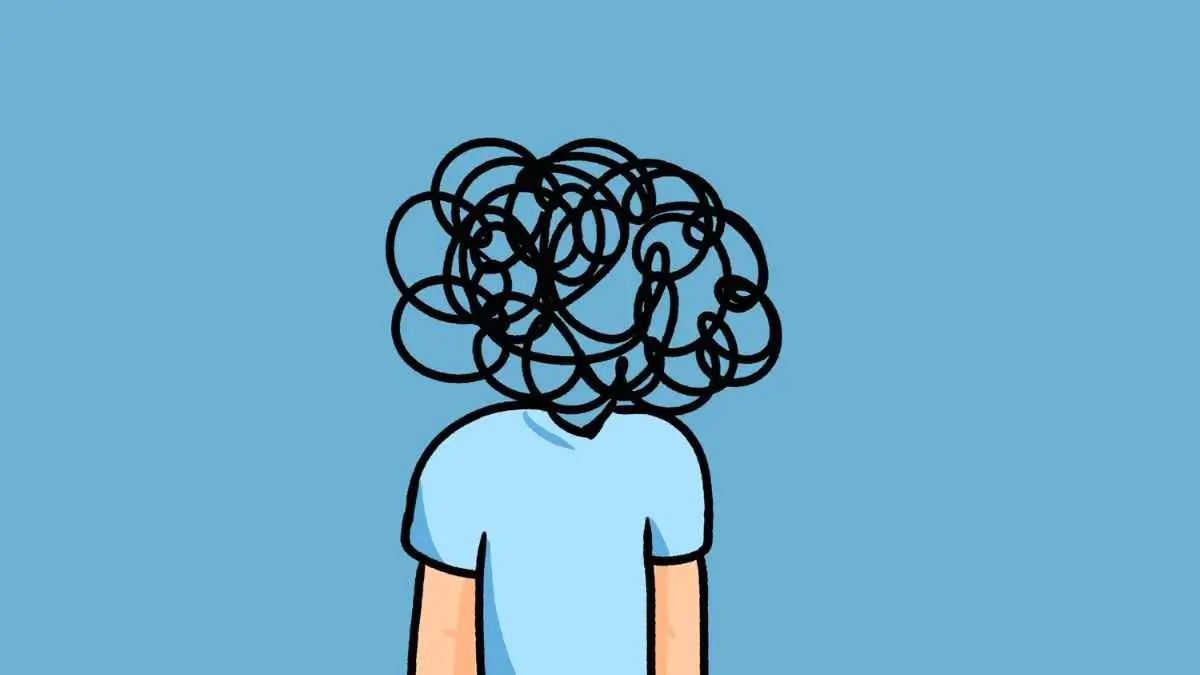
A typical case of high functioning burnout does not appear as a crisis situation. Instead, it will be a working professional meeting deadlines, a parent handling their responsibilities or an entrepreneur always producing results. Externally, all appears to be fine. However, internally, motivation levels may decline, concentration may become increasingly difficult and even simple activities may seem exhausting.
What makes a high functioning burnout different from other cases of burnout is the fact that productivity is maintained while being unable to feel good. This means that the struggle is often overlooked by others around them including the affected individual.
The Hidden Cost of Always Being Capable
A lot of today’s modern work culture encourages employees to be very reactive, tough and available. Those who will reply to emails at late hours, multitask well and rarely complain are often seen as very dedicated. However, this can actually lead to a detrimental relationship with work. While high functioning burnout isn’t an official diagnosis, it is used to describe the constant feelings of tiredness, disengagement and inefficiency.
The World Health Organisation defines occupational burnout as “a syndrome conceptualized as resulting from chronic workplace stress that has not been successfully managed”. One of the main reasons burnout goes unspoken about is because people can feel that they will appear to be unreliable, lose out on professional opportunities or let people down if they admit they are struggling. For some people, they have gotten so used to performing under pressure that they view burnout as normal.
This can result in a vicious cycle whereby they will try harder to perform, give up on taking time to recover and view their tiredness as a personal failing.
Why Traditional Self-Care Often Falls Short
While advice about taking a break, exercising regularly and being mindful can be useful, it can sometimes be an unattainable goal for someone who is already feeling burnt out. Taking a break on the weekend will not make up for excessive workloads, lack of clear boundaries and constant understaffing. To help you recover without it becoming another stressful task, developing simple and sustainable habits can give you short breaks throughout your day, regain a sense of control and encourage your healthier habits.
This is not a substitute for tackling the negative factors in your work environment or seeking professional help, however, these micro-habits can help you recover in your daily life.
Micro-Habits That Actually Work
1. Begin the Day Without Immediate Digital Noise
Answering your phone right after you wake up can expose your mind to negative information. Try to switch off your phone for the first 5 minutes of the day. Have a glass of water, do some gentle stretches and just have a moment of stillness. This short pause will help you to switch into your day in a more mindful way.
2. Take Short, Intentional Recovery Breaks
Many people see taking a break as a reward. However, this often won’t happen as your to-do list will rarely be finished. Take short breaks throughout your day so you don’t get too tired. Get up, take a few minutes walking, take your eyes off the screen or go outside. Taking small breaks to move can help to break up long periods of sitting and give your mind a good reset. The aim isn’t to make the most out of every minute but to understand that you need to have breaks to help you keep focused.
3. Replace Endless To-Do Lists With Three Priorities
Burnout will become even worse if every single activity seems to be equally urgent. It can create the feeling that there is never anything done.
Identify three priorities at the start of the day. It is crucial to separate what is necessary to do from what can be delayed or even rejected.
In this way, you avoid decision fatigue and promote a realistic concept of success. It doesn’t mean that all activities have the same significance for you.
4. Create a Clear End to the Working Day
Work will bleed into evenings, eating into your mealtimes and affecting your personal relationships if you don’t have an endpoint to your work. Even when you’ve shut down your laptop, your mind can be plagued by to-do items.
Create a simple shutdown routine. Go through what you’ve done, make a note of what your first task will be tomorrow and close down work programs. Where possible turn off any unnecessary notifications. Creating an endpoint will help you keep your work life separate from your personal life.
5. Practice the One-Minute Emotional Check-In
High performers can get pretty good at problem-solving, which can mean they ignore their own emotions. So once a day stop and check in with yourself by asking these three questions:
- What am I feeling?
- What is causing me to lose energy?
- What do I need?
This could be you need to eat, sleep, feel safe, get help or have a difficult conversation. This won’t fix your issue straight away but will increase the chances of you addressing your need with intention.
Recovery Requires More Than Individual Discipline
In this way, micro-habits will be most useful where they contribute to larger shifts. Burnout that continues to occur might involve some combination of adjusting the workload, more effective management, hiring additional people, offering time off, and getting professional psychological help.
Where fatigue, insomnia, anxiety, depression, or inability to function becomes an ongoing problem, seeking out the opinion of a qualified healthcare provider will be a logical course of action. The above-mentioned symptoms can also be explained by other factors.
Organizations, however, need to consider the fact that the conditions under which overworking is seen as praiseworthy need to be looked into. It shouldn’t be necessary for employees to specialize in overcoming their draining surroundings.
Redefining What It Means to Be Successful
High-functioning burnout can be an uncomfortable topic to talk about. Often those who are achieving appear to receive more praise than those struggling under the surface. However, the truth is that just because someone appears to be fine doesn’t mean they are.
To get started the best place to begin might be to give yourself a safe space to take a break, set realistic goals and priorities, set yourself a time to stop or simply have the confidence to admit that things need to change. Sustainable success means being able to work, rest and live without constantly compromising.

Digital entrepreneur and content expert I help businesses with AI, SEO and the latest tech trends. I started Silicon Valley Weekly to make complex tech concepts easy to understand and use for business growth. I know a lot about systems and help startups, entrepreneurs and brands navigate the fast-changing world of tech and online marketing.
I build strategies that use data, search optimization, content marketing and AI tools to get visibility, engagement and revenue. I love finding ways for businesses to grow increasing their presence and turning new ideas into successful businesses. My goal is to connect the technology, with practical business use so brands can succeed online.