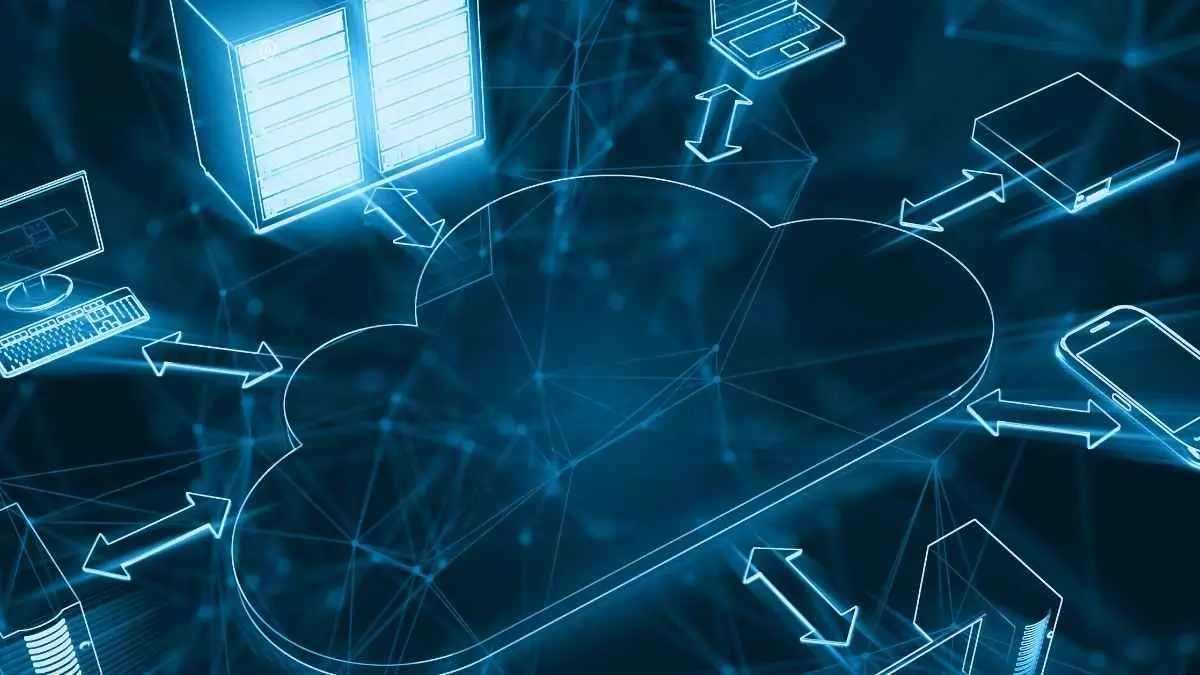
We have a lot of devices now, smart energy systems and the global silicon movement which is really changing the digital world. The big tech companies are trying to build things that go faster, are smarter and use less energy such as artificial intelligence, cloud computing, electric cars and smart factories.
It all came from the leaders and companies that changed the semiconductor and hardware industry with ideas and hard work and good planning. This is in part thanks to people like Jensen Huang, the co-founder and CEO of NVIDIA whose story illustrates the importance of hardware and infrastructure to the intelligence-driven economy. With the silicon movement and the work of people like Jensen Huang at NVIDIA, there really is a difference being made, in the digital world and the artificial intelligence economy.
The Rise of the Silicon Shift
The “silicon shift” refers to the increasing relevance of semiconductor chips and hardware systems across almost all industries. The computer has outgrown the silicon chip. They are the power behind cell phones, driverless cars, medical systems, industrial machines, videogames and AI platforms until now.
For a long time, the big story in technology has been software. However, the advent of AI and machine learning has once again focused attention on the capabilities of hardware and the supply of power. Massive work requires the support of extreme computing powers and energy saving mechanisms for high-end processors. Enterprises that were solely focused on software are now investing heavily in data centers, semiconductor production and infrastructure development.
The change has opened the door for hardware developers to lead the new wave of technology.
How Jensen Huang Became Famous
Jensen Huang was born in Taiwan and moved to the United States. His childhood was a mixture of distress, transitions and strong will. Later, he majored in electrical engineering and, in 1993, he and two others started NVIDIA with a dream of making computer graphics a second nature to human vision.
At one point, NVIDIA just went round graphics processing units (GPUs) for gaming. This resulted in the firm being involved in many competitions and financial difficulties at different times of its existence. But Huang believed that GPUs would become devices for all kinds of non-gaming applications. And in fact, when the researchers found that the GPUs were really good at artificial intelligence and machine learning, that confirmed his vision.
NVIDIA’s growth into one of the world’s most valuable technology companies was sparked by this invention. Today, its components power artificial intelligence systems, cloud platforms, unmanned vehicle technology and scientific computation.
Why Hardware Still Counts for Innovation
Hardware is the engine of digital transformation. Huge amounts of data can be instantly analyzed by enterprises due to powerful chips and processors. Without sophisticated hardware, technologies like generative AI, robots and cloud computing would either not exist or perform badly. “All data centers need is advanced cooling systems, stable electricity distribution and facilities that can be expanded. That’s because the number of AI applications is growing, and so is the need for more powerful, up-to-date power systems. The big tech companies are right now investing big money building energy efficient buildings for their high performance computing.
This is a strong indication that hardware innovations are the key drivers of the future economy, as companies like NVIDIA are recognized as successful.
Power Infrastructure: The Hidden Engine of AI
When most people think of AI they think of silicon chips but the power infrastructure is just as fundamental. AI machines need a huge amount of electrical power. Energy has become a challenge for efficient and reliable utilization. The evolution of data centers requires advanced cooling techniques, integration of renewable energy and efficient power distribution network setups.
While pursuing AI beyond the accelerated chips, the key is also in the expansion of green infrastructures, tech giants are announcing. In addition to switching to green power sources, businesses are installing energy management systems and battery storage solutions.
The growth of AI usage is being driven by the growth of cloud computing, which is also opening up opportunities for infrastructure vendors and semiconductor companies to collaborate with renewable energy firms. These kinds of collaborations can trigger the next phase of industrial and technological growth.
Net Worth and Financial Success
Besides, the value of the semiconductor companies skyrocketed when artificial intelligence became really popular. Because of the huge AI hardware demand, Jensen Huang was rapidly added in the list of wealthiest technology leaders in the world. NVIDIA’s dominance in AI computing and its market outperformance have now boosted his net worth to billions of dollars.
But, Huang’s triumph was not a stroke of luck. Actually, it was through many years of innovation, risk-taking and strategic long-term thinking that the company got to this point. Even before the world realized that GPUs would be a key thing in artificial intelligence, NVIDIA was already investing heavily in the technology.
This story presents a very important lesson: Leaders with a vision sometimes have to be very patient and continue to focus on the potential even when other people do not realize it.
Reasons for the Success
One of the most inspiring things about Jensen Huang’s life is his determination to keep innovating. Instead of just looking at the benefits that would come in the very near future, he kept making large investments in the new technologies that would come. Quite apart from that, he ran his company to let the employees show their inner strength, make their wish to change the world come true and, be brave.
Even in the toughest moments, NVIDIA was still ploughing money into R&D. That focus is what, step by step, led to the firm becoming a leading player in the global AI revolution.
The more general silicon move is just one more example of how important it is to remain willing to change with the times in a world that is changing at an incredible pace. The way that industries change is like a race, and only the fastest ones survive and innovate to make sure that there is a lot of success for them in the future.
Lessons You Can Learn
Some lessons entrepreneurs, college students and working people who want to achieve something can take from the hardware and silicon revolution are:
1. Being committed to your dreams for life matters
Winning depends on a number of things including the ability to anticipate future trends correctly at a very early stage. That’s the advantage of thinking long term: before artificial intelligence was a thing, NVIDIA had been all in on GPU technology.
2. Product development takes time
Breakthrough products often take a long time to be accepted by the general public. Consistency and perseverance are the key ingredients for a successful journey.
3. Hardware is as important as software.
The hardware in our computers and mobile devices and the energy that powers them are essential to today’s technology. Innovation at scale cannot be achieved without good and solid infrastructure.
4. Flexibility will make success easier
The technology market is very volatile. The advantage will be for both companies and individuals who will be ready to adjust to the changes and will succeed and even outpace their competitors.
5. It is the power of change a leader brings
It needs leaders with vision who can push the entire industry to change and evolve for the better.” Along with expertise in the latest technologies, dedicated leadership can be a powerful force capable of shaping global markets.
Conclusion:
The future of technology has been changed with the growth of hardware innovation, power infrastructure and the worldwide silicon shift. Jensen Huang and NVIDIA are examples of industry transformers and how you can transform industries and make a global impact with continued effort, innovation and strategic thinking.
With AI, cloud computing and smart technologies making their ways into our lives, the role of semiconductors and infrastructure will be more and more vital. This silicon shift is more than a wave of technology. It’s human progress fueled by vision, engineering and an unyielding passion for innovation.
FAQs:
1. What is the “silicon shift” in tech?
This is called the “silicon shift” – when semiconductor chips, high-tech hardware and computing power become the key ingredients in advanced technologies, such as artificial intelligence, cloud computing, self-driving cars and smart devices.
2. Why hardware matters more than ever?
Hardware is easy. Software is so powerful these days that it requires hardware with a very high level of computing power and processing speed and energy-efficient systems. These smart machines and digital technologies are reliant on high quality processors and complex data centers.
3. What did Jensen Huang do in the AI Revolution?
Jensen Huang is the biggest reason NVDIA went from being a video game graphics company to an AI computer company that is one of the best in the world. Mostly it was about the company’s bleeding edge GPU technology and hardware innovation.
4. How does the power grid support AI development?
Power infrastructure is the supply of AI machines and data centers. To operate AI in a sustainable and environmentally friendly way, the key elements are to correctly distribute the electricity, use cooling methods and make use of renewables.
5. What can entrepreneurs learn from the silicon shift?
The emphasis on long-term vision, openness to change through innovation and constant hard work brings a lot to entrepreneurs. Major semiconductor and hardware players are a good example of how putting money and will power behind emerging technologies usually ends up in great growth results.

Digital entrepreneur and content expert I help businesses with AI, SEO and the latest tech trends. I started Silicon Valley Weekly to make complex tech concepts easy to understand and use for business growth. I know a lot about systems and help startups, entrepreneurs and brands navigate the fast-changing world of tech and online marketing.
I build strategies that use data, search optimization, content marketing and AI tools to get visibility, engagement and revenue. I love finding ways for businesses to grow increasing their presence and turning new ideas into successful businesses. My goal is to connect the technology, with practical business use so brands can succeed online.