
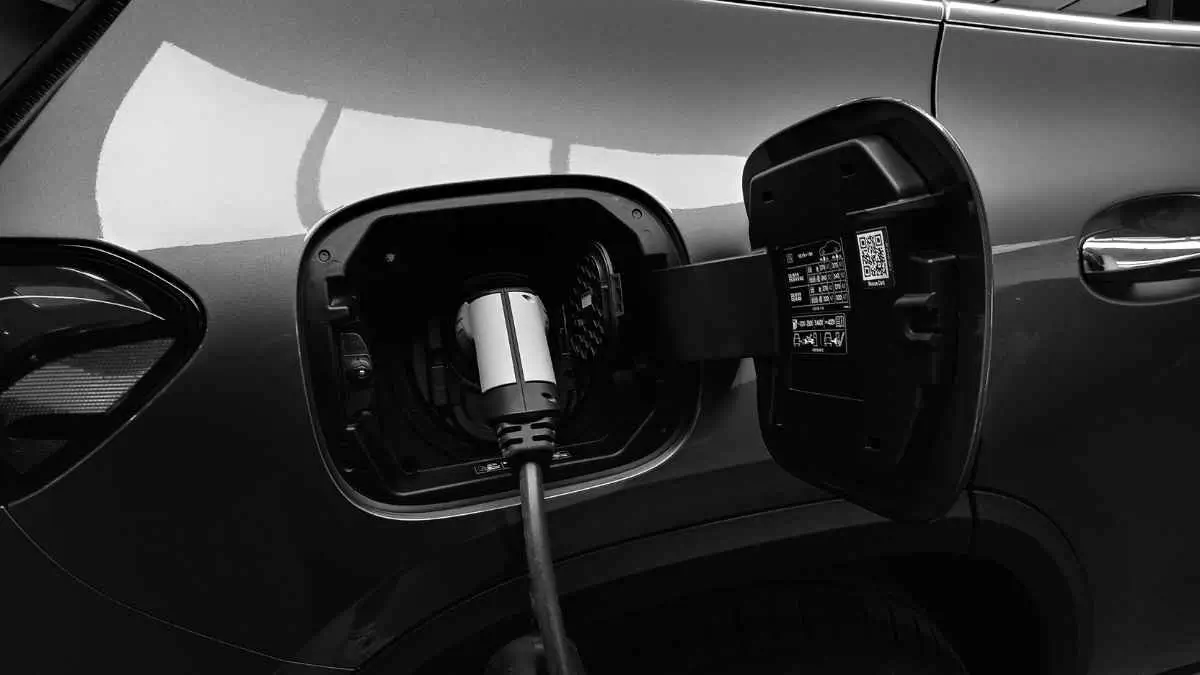
The electric car movement is no longer simply about future promise or being confined to early adopter groups through niche projects. By 2025, it is one of the main forces driving major transformations in global transportation, energy systems, and industry direction. In 2025, the global market for electric cars, including battery electric vehicles and plug-in hybrid electric vehicles, recorded sales of more than 20 million units, making up around one-quarter of all new passenger cars sold worldwide. Next to the middle of 2026, sales have been expected to exceed those of 2025 with 23 million electric vehicles expected in the market representing 27%-29% of total sales volume.
What started many years ago with low-performance and expensive electric cars has evolved into a popular choice. Major achievements during this phase included the launching of lithium-ion battery packs that brought down electric vehicles’ price while increasing their range and performance which made such vehicles more realistic for everyday use. Around 2022, the drop-in battery costs were matched by the introduction of a wider range of models from the traditional carmakers and the new generation of EV manufacturers, as well as the establishment of the public charging infrastructure, all factors that helped increase the number of electric vehicles sold at an impressive rate.
China was definitely the main region from the global perspective. Not only sales of EVs in the country were more than half of the global volume, but also manufacturing facilities accounted for the majority. In 2025, over-half of all cars sold in China were electric cars whereas a year later (due to moderate overall market growth), the figure was about 60 percent. After China comes Europe which had its own growth wave supported by emission regulation that pushed towards EVs. The same goes for the developing regions where sales skyrocketed due to local production and availability of low-priced Chinese cars among the other factors
Environmental benefits combined with an attractive economic aspect of switching from internal combustion engine to electric vehicles have been the major reasons why car manufacturers are investing heavily into electric cars. Electric vehicles don’t discharge harmful fumes into the atmosphere and their carbon footprint from production to disposal continues to become lower with the rise of renewable energy generation for electricity. In addition, vehicle electrification and improvements in efficiency have already been reducing demand for road fuels by millions of barrels a day. If a car driver goes for electric vehicles, they will save a lot on operating costs over a long time, Mainly when fuel prices are soaring up because of the geopolitical events affecting the supply chains. Another key factor is the energy security of the country. Countries wanting to reduce their oil imports have put forward EV policies and funded the development of infrastructure believing that electricity generated in the local grids gives them more freedom and stability compared with imported oil.
Technological advances are speeding up the change even more. Battery energy density has improved and battery prices have gone down to a point where most people do not feel range anxiety anymore. Developments in battery technology like sodium-ion batteries that are now being mass-produced and batteries with more advanced anodes made from silicon are expected to provide cost reductions, better performance at low temperature and also a more environmentally friendly solution. Even though solid-state battery prototypes have achieved long distances in real-world test scenarios, commercial production at a large scale is still quite far away.
Solving a major issue of electric vehicles by developing charging system with very high voltage is being explored. Such systems can support charging very rapidly at the level of several hundred kilowatts. As for 800-Volt systems, that can be charged very quickly and gain hundreds of kilometers of battery range in a very short period. Chinese producers were the first to achieve charging systems in the megawatt level, but besides hardware, software-defined cars AI advanced driving assistance systems, and other elements of the vehicles ecosystem are making cars with electric motors continuously upgradeable.
All in all, these developments make electric cars not only environmentally friendlier but also more functional and user-friendly when compared with combustion-engine cars. But, it has been far from uniform progress Policy reversals like the reduction of incentives and withdrawal of support for regulations have resulted in lower sales and delays in releases of new vehicles at US car companies. This has led to significant departure from the trends of other countries. Possibility to have an electric car is still not very high in some countries due to the relatively high price of BEVs as compared with those of ICEs, although this spread has reduced.
Although the amount of public charge points is increasing and even millions of them have been established and more are expected, there are still many problems related to the trustworthiness of the systems, areas covered, and access of people with no home chargers. Major battery material suppliers are concentrated geographically and that is another potential problem. There are also trade tensions and the implementation of recycling systems should be the main issues for governments and companies to solve as part of the development of battery technologies.
With all these obstacles, the overall course is still clearly outlined. A lot of countries in the developing world are now reaching the very steep part of the adoption curve, they often skip the intermediate steps and take a direct leap to newer technologies by importing them from competitors and developing their own manufacturing industries. For example, two-wheelers, three-wheelers, buses and now commercial vans and trucks in many places are electrifying faster. Based on predictions, by 2035, about half of all cars sold worldwide can be electric ones while fleets will dramatically grow starting from today’s figures of tens of millions going up to hundreds of millions. This revolution is not initiated by only one company or one nation but by a mutual cycle of innovation, scale, and market demand that keeps lowering costs and enhancing the ownership experience.
There will be the need for continuous investment in grids and infrastructure for the car users, the development of the workforce and obtaining sustainable material. The removal of barriers will be determined by the level of policy stability across nations, working hand in hand on standards and supply chains as well as by new technological breakthroughs. Despite Really there is still work to be done on some fronts, the big picture is quite clear: electric vehicles are changing from being a revolutionary alternative to a new standard, personal and commercial mobility. They are quietly redefining the automotive industry while bringing along cleaner air, more energy independence and a generally sustainable way of transport globally.

Digital entrepreneur and content expert I help businesses with AI, SEO and the latest tech trends. I started Silicon Valley Weekly to make complex tech concepts easy to understand and use for business growth. I know a lot about systems and help startups, entrepreneurs and brands navigate the fast-changing world of tech and online marketing.
I build strategies that use data, search optimization, content marketing and AI tools to get visibility, engagement and revenue. I love finding ways for businesses to grow increasing their presence and turning new ideas into successful businesses. My goal is to connect the technology, with practical business use so brands can succeed online.