
What is an AI Influencer?
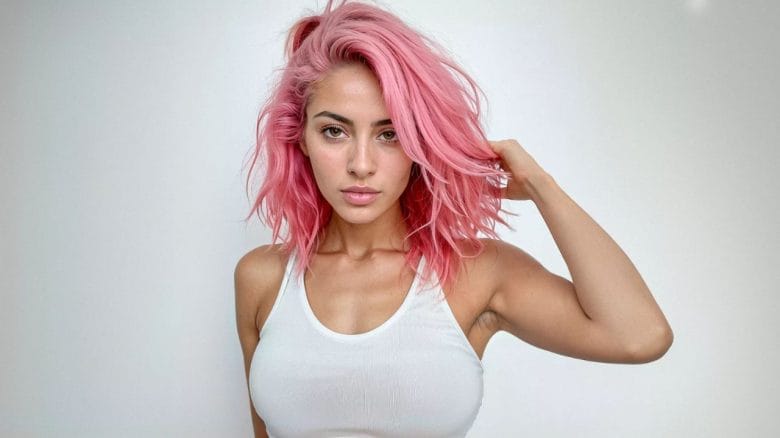
These virtual influencers are computer-generated characters including Lil Miquela, Noonoouri, layelanyx and Shudu who are already getting recognized on Instagram, TikTok, and other social media sites. Virtual characters created with the help of advanced digital design and CGI technologies as well as AI have opened up new opportunities for companies to market their products, entertain audiences, and engage customers.
Unlike real human celebrities, virtual influencers can be controlled in every possible way. Their appearance, voice, and even a fictitious biography can be planned beforehand. It enables companies to use these influencers in advertising campaigns and create an individual digital identity. The brands in fashion, beauty, luxury, and tech are particularly attracted by these characters.
Unparalleled Control and Brand Safety
In contrast to real-life creators, virtual influencers do not grow old, procrastinate on deadlines, share spontaneous opinions, or create controversies. Everything that is said, worn, or interacted with can be scripted and pre-approved ahead of time.
The brand achieves total synchronization of communication and the guarantee that any controversy associated with the creator won’t ruin the whole campaign. Polls of marketers show time and again that brand safety and creative freedom are among the primary reasons for using virtual influencers. A virtual representative can operate in several markets at once, speak any language, and always look and sound the same.
Showcasing Technological Prowess
Using or creating virtual influencers provides technology firms with an opportunity to showcase their capabilities. The use of Lil Miquela by Samsung for its #TeamGalaxy campaign among other celebrities and gamers showcased what was possible with advanced technology. With generative AI technologies, there is fast production of realistic videos, audio, and interactions with the influencers that showcase how advanced the technology used is.
Virtual influencers also make it possible for the products or technologies being promoted to coexist in the same digital space as the products themselves, showcasing the firm’s capabilities in spatial computing and digital twins.
Cost Efficiency and Scalability
It is expensive to create an elite CGI avatar upfront; however, in the long run, the business is in favor of virtual personalities. Once it has been created, it will not incur any expenses such as traveling, accommodation, hair and make-up teams, and the expensive rate per post like human influencers.
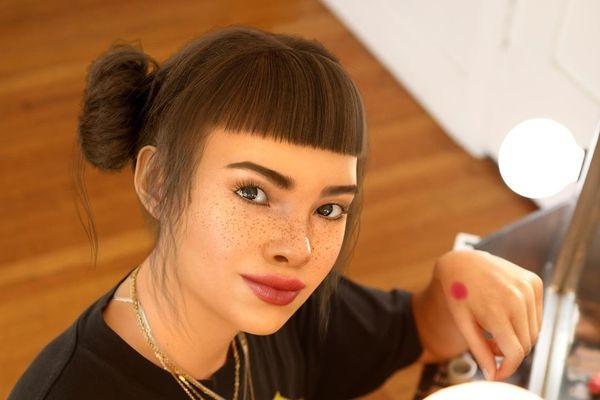
There are industry instances where the operators of Lil Miquela have charged about $10,000-$12,000 per post, and those human influencers having similar followership have charged much more. It can produce content anytime, localized for several regions and used throughout marketing campaigns without negotiating any talent cost. Another good thing about brands is that they can retain their rights to the property and make it a sustainable asset.
Superior Engagement and Audience Resonance
Various researches indicate that virtual influencers often generate engagement rates that are much higher compared to regular human influencers – numbers have been quoted by HypeAuditor with the average 5.9 percent compared to 1.9 percent. The newness, polished appearance and algorithmic friendliness are factors which allow virtual influencers to stand out in a world of feed fatigue.
Generation Z, which grew up with video game avatars and other digital entities, is particularly receptive to them, as approximately 40 percent of young people have already subscribed to virtual influencers. While partnering H&M with the virtual character Kuki, Facebook stated that ad recall rates were significantly higher. Tech products, and more specifically utility products such as phones, cameras or gaming gadgets work best with virtual influencers.
The Road Ahead
The market for influencers, which is worth several billion dollars in the middle of the 2020s is expected to grow by about 40% every year. It is predicted to reach tens of billions of dollars by the year 2030 according to research groups like Grand View Research. As generative AI improves the cost of making these characters goes down and their ability to interact becomes better. This means the difference between people and virtual influencers will get smaller and smaller.
Companies that do well with owning these characters being clear, about how they work and using them in their products will get a marketing tool and a way to show off their technology to the world. Even though these characters do not completely take away creativity they give the industry a new way to influence people using technology. This helps match the products and culture of the industry.
Frequently Asked Questions
1. What are virtual influencers?
Virtual influencers are computer-generated digital characters that feature on social media sites and engage with their fans using posts, videos, stories, and sponsored collaborations.
2. Which are some famous virtual influencers?
Some famous virtual influencers include Lil Miquela, Noonoouri, layelanyx and Shudu who have become famous through fashion, beauty, entertainment, and digital marketing.
3. How do brands use influencers?
Brands collaborate with virtual influencers for product promotion, digital campaigns, storytelling, and engagement with the online audience. The computer-generated nature of virtual influencers provides greater control over visual content creation.
4. What is coming next for influencers?
The future for virtual influencers could see improved reality and engagement due to advancements in artificial intelligence, computer-generated imaging, and interactive technology. Transparency and authenticity are still critical for the success of virtual influencers.

Digital entrepreneur and content expert I help businesses with AI, SEO and the latest tech trends. I started Silicon Valley Weekly to make complex tech concepts easy to understand and use for business growth. I know a lot about systems and help startups, entrepreneurs and brands navigate the fast-changing world of tech and online marketing.
I build strategies that use data, search optimization, content marketing and AI tools to get visibility, engagement and revenue. I love finding ways for businesses to grow increasing their presence and turning new ideas into successful businesses. My goal is to connect the technology, with practical business use so brands can succeed online.