

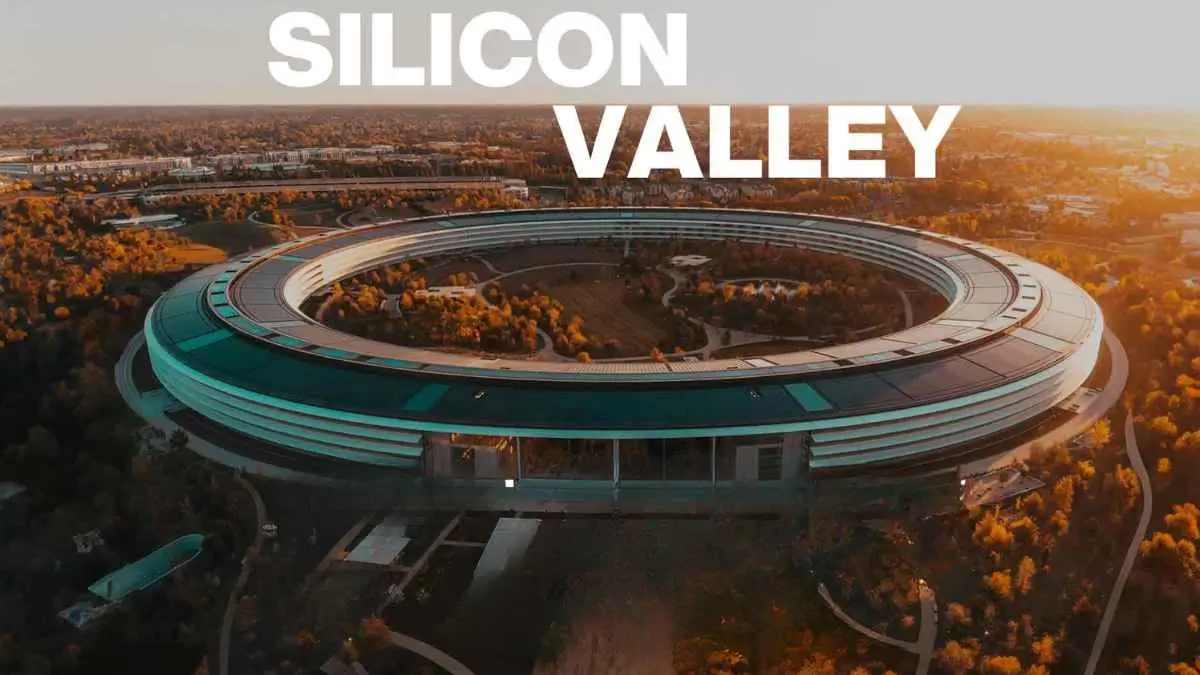
For more than fifty years, Silicon Valley has led the world in technological development. From a place of orchards and small electronics companies, it became a worldwide symbol of innovation, ambition and willingness to take risks.
What a narrow strip of California can teach us about the future of tech Today, digital transformation, the meaning of which is the idea that we use technology to change how organizations operate and create value, is transforming every industry in the world. And so much of that is still mapped in ideas that came out of this little corner of California.
Birthplace of a Modern Culture of Invention
Silicon Valley is built on culture, not just a set of disruptive technologies. Proximity to top universities, venture capital, talented engineers and hungry entrepreneurs created a culture that generated innovation at a rapid pace.
failure isn’t a dirty word, failure is just a learning opportunity. And skilled teams flow easily from company to company, taking insights with them. That mixture of talent, capital and risk appetite has delivered us a generation of computer chips, PCs, an internet connected to the outside world, smartphones and social platforms that all change lives.
Cloud Computing and the Platform Shift
Cloud computing has been one of the biggest drivers of digital transformation. Businesses no longer need to build and maintain their own servers; they can rent compute power, storage and software as a service. This lowered the cost of starting a business, lowered the barrier to challenge industry giants for startups, and allowed large corporations to replace legacy systems.
And whether you’re subscribing to software or running a mobile app or doing business on a digital platform it all started here. The models were embraced first by the valley companies and the work continues to shape the way organizations around the world are reinventing infrastructure, flexibility and speed.
The New Engine Artificial Intelligence
AI is the most important technology driving the next wave of transformation now. Machine learning algorithms draw on huge data sets to discover patterns, generate text and images, and assist us in making decisions that once required human judgment. Companies use AI for customer service, logistics coding, healthcare diagnostics and financial modeling.
AI is bigger than it’s ever been. Silicon Valley continues to be the hub of AI research and investment, drawing top scientists and incubating new startups. For organizations, the question is no longer whether to adopt AI, but how to do so responsibly and in ways that will deliver real value.
Data is the New Currency
Data is the fuel of today’s digital transformation. Everything from the temperature on a sensor to buying something online or taking a test drive provides data that can be harnessed to understand a customer, optimize a product or forecast a market need. Data engineering, analytics and cybersecurity are strategic priorities, with companies that are capable of using data to their advantage having a distinct advantage.
Related:
- Lisa Su: The AMD CEO Shaping Silicon Valley’s AI and Semiconductor Future
- Why Silicon Valley Became the World’s Tech and Innovation Hub
That allowed Silicon Valley to thrive analyzing data to provide personalized services, make better decisions. More and more industries are adopting the model, and turning data into insight is proving to be the most valuable skill for organizations of all sizes.
Reinventing Existing Industries
Digital transformation is now impacting and disrupting industries across the economy, far beyond the tech industry. Banks are offering mobile-first services, hospitals are using electronic health records and telemedicine, retailers are blending digital and physical experiences, and manufacturers are relying more and more on connected equipment and automation. Software and data are also changing education, agriculture, transportation and power.
Much of the technology behind these disruptions is born in the Valley, but the trend is global, with local startups adopting these innovations to serve their own markets. Industries that were once thought immune to technological change are discovering that digital competence is key to their success.
Challenges: Privacy, Ethics and Inequality
Fast pace, big concerns The same scale and speed of growth are bringing with it its own set of serious challenges and new concerns about data privacy misinformation the BIAS of algorithms and the dominance of a handful of tech giants. Automation may threaten jobs and unequal access to digital technologies could widen the gap between haves and have-nots.
And Silicon Valley needs to own the social consequences of its products. Convincing the world that Silicon Valley is good will be as important as technological advances, and will be done through transparency, fair design and solid security.
Talent and the Future of Work
You work differently too the rise of remote and hybrid work, collaboration platforms and productivity tools powered by AI are transforming the modern workplace and broadening recruiting options for organizations. Repetitive tasks are being automated and skills like critical thinking problem solving communication creativity and adaptability are in higher demand.
Workers will need to keep learning and employers will need to invest in reskilling and alternative career paths. The Valley’s talent mobility model, built on pervasive transition and rapid skill acquisition, provides an insight into the future workforce.
Conclusion
Digital transformation will help keep Silicon Valley relevant, but no one region will have all the answers to Silicon Valley’s Next Act in the future. The winners of the digital age will be those organizations that combine powerful ambition with responsibility, agility and a clear understanding of human needs. Innovation will be everyplace.
Cloud, AI and data are already transforming what can be done. How do we negotiate these to take us to opportunity and maintain trust and betterment of life for all?

Digital entrepreneur and content expert I help businesses with AI, SEO and the latest tech trends. I started Silicon Valley Weekly to make complex tech concepts easy to understand and use for business growth. I know a lot about systems and help startups, entrepreneurs and brands navigate the fast-changing world of tech and online marketing.
I build strategies that use data, search optimization, content marketing and AI tools to get visibility, engagement and revenue. I love finding ways for businesses to grow increasing their presence and turning new ideas into successful businesses. My goal is to connect the technology, with practical business use so brands can succeed online.



Pingback: Character. Ai: Silicon Valley AI Startup Files for Bankruptcy