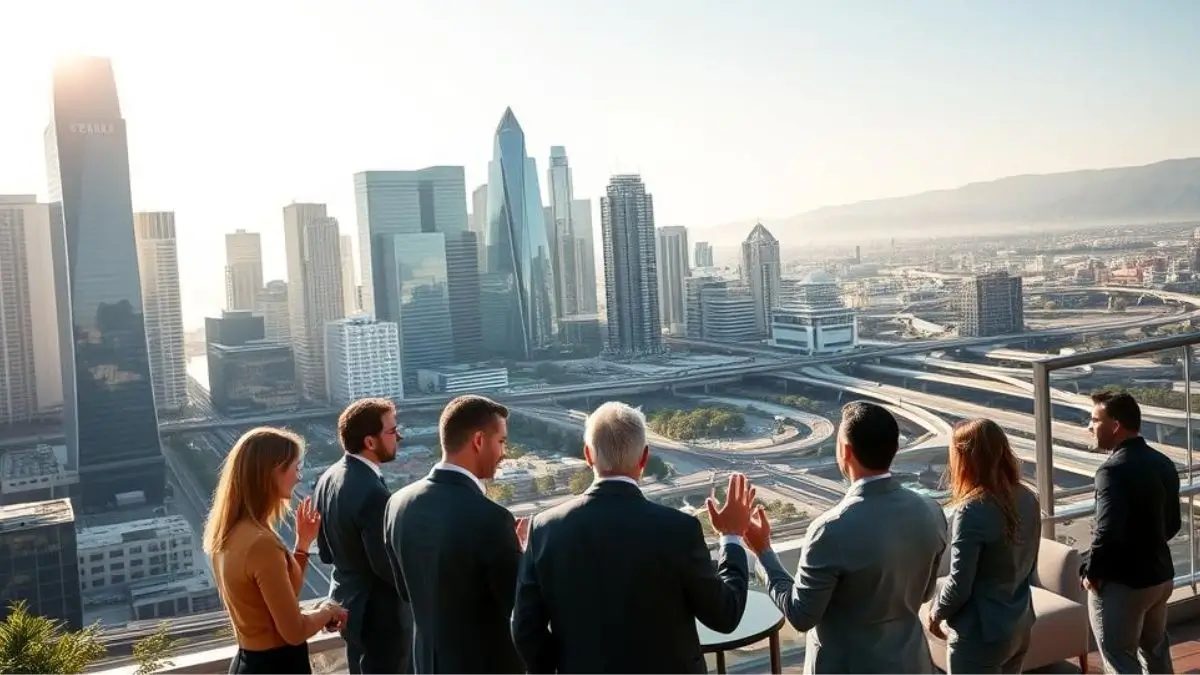
Silicon Valley was seen as the world’s innovation capital of tech. And it all lasted because of a potent mix of startups, venture capital, engineering excellence universities technology giants and a risk-taking culture that backed. Yet the technology industry is evolving fast, in particular as artificial intelligence impacts funding infrastructure software and the worldwide head-to-head for talent.
Because of this, the real issue for Silicon Valley’s future is unlikely to be whether it continues to be “the” technology center. A question of greater concern is what the region will look like when technology becomes ever more dispersed around the globe.
5 Key Takeaways
- AI is transforming Silicon Valley: Artificial intelligence robotics advanced computing, and AI infrastructure are taking center stage in the Valley’s new wave of innovation.
- Competition worldwide is intensifying, with tech clusters globally strengthening the foundations of their startups investment research and engineering ecosystems.
- Talent still is an enormous advantage: the nearby presence of a critical mass of experienced founders engineers researchers, financiers, and executives helps much to sustain innovation.
- Venture capital is changing: Investors are investing a lot of money into AI and deep tech, but also taking greater control and keen to get scale, revenue, and sustainability considerations back into the mix.
- The only thing that is not changing is the myth of Silicon Valley disappearing. It is not about be disappearing; it is all about be connecting capital people research, entrepreneurIng entrepreneurs, and high technology.
Silicon Valley Is Entering a New Technology Era
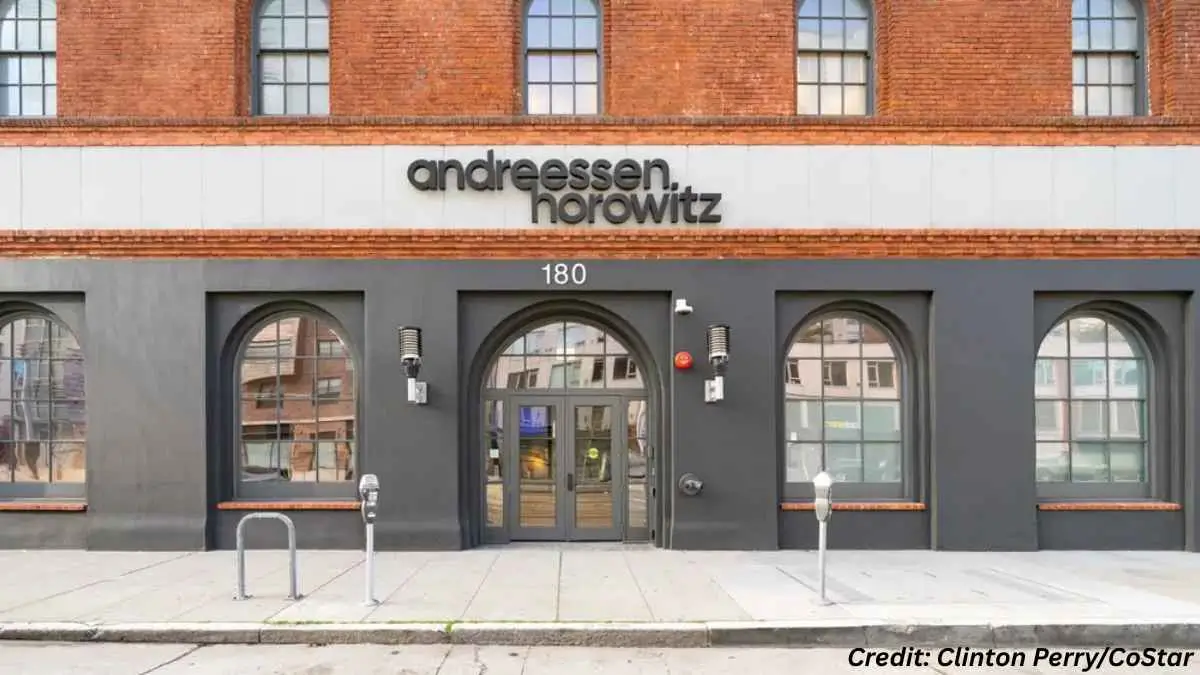
Silicon Valley is still quite a bit linked to the current AI cycle of investment. In 2026 CBRE concluded that during the period Q1 2020-Q1 2026, 80% of the U.S. AI venture-capital financing was concentrated in the San Francisco Bay Area. The report also revealed the Bay Area to be one of the few tech markets that had experienced an increase in AI-related investment, employment, and office demand.
This but does not imply that the region has a forever stranglehold on innovation. Technology ecosystems in the cities of Seattle Boston New York London Paris Bengaluru Singapore, etc. are still evolving.
What does stand for, is rather the density that Silicon Valley gives. The ability to have investors, entrepreneur-founder researchers engineers, corporate technology head decision makers and more experienced operators within reach, is what makes Silicon Valley compelling.
AI Is Changing What Silicon Valley Builds
From Software Startups to AI Infrastructure
Silicon Valley startup, the old, used to mean any kind of software, internet service company. The AI era is expanding that model.
The opportunities offered by today’s technology are for AI infrastructure chips robotics, data centers security developer tooling, enterprise AI, and physical systems.
In June 2026, Silicon Valley Business Journal did an analysis of the Bay Area from an innovation center to a more infrastructure-heavy technology economy and pointed out that artificial intelligence startups have also become more reliant on the infrastructure in the form of more computing power energy data management, etc.
That adjustment could have a long-term impact on the area. The upcoming pipelining of companies might need a Greatly greater investment and infrastructure than dozens of previous software startups.
Robotics and Physical AI
Another key avenue is to expand AI designs out of screens.
Robotics companies are using progress that has been made in machine learning, computer vision, simulation, and special purpose hardware to physical devices. One recent story has discussed how shopping a known set of people on to become entrepreneurs and robotics entrepreneurs.
Should this trend continue, more, and more physical AI robotics automation and hardware may be added to the software tongue of Silicon Valley’s technology identity.
Venture Capital Will Remain Important—But Expectations Are Changing
Venture capital has always been one of the defining strengths of Silicon Valley. This relationship endures in 2026.
Consider Menlo Ventures expanding $3 billion of new capital in June 2026 for AI businesses in infrastructure, frontier technology, enterprise applications, healthcare, and consumer markets, to illustrate.
But, abundant capital will not get rid of the necessity for sustainable businesses.
The cost of AI infrastructure is high, and the cost of computing revenue capital efficiency, and the capacity of startups to develop robust products are noticing by investors.
This could also push for a more disciplined Silicon Valley where technological dreams are still ambitious but serious business thinking is emphasized more.
The Global Competition Will Intensify
The fate of the valley is inextricably linked with the future developments of other technology hubs.
A technologically advanced ecosystem on the level of Silicon Valley is emerging with worldwide investment in artificial intelligence semiconductors robotics, cloud computing, biotech, and advanced manufacturing. Entrepreneurs will not have to be originated within the Bay Area to use these ecosystems.
Related:
- How to Find a Startup Idea: Stop Waiting for a Eureka Moment
- AI Forecasting Startup Mantic Raises $25M in New Funding
- Silicon Valley Top 10 Startups 2026
- Internal Management Structure of the Startup
2.2REMOTE TOOLS, AND WHAT ABOUT LOCATION the second and smaller set of the shift/agency of location is that remote collaboration and spread-out engineering teams across the entire globe makes location not as limiting as it used to be.
There is still value in geography for these kinds of activities. Well-connected groups of investors founders researchers, and tech veterans may present challenges to replicating online.
The probable result is not the end of Silicon Valley, but an even more interconnected system of innovation worldwide.
Talent May Become Silicon Valley’s Biggest Asset
Technological infrastructure can be assembled in other locations. Investment capital can be transferred internationally. Software can be designed remotely.
Talent networks are also more difficult to imitate.
Silicon Valley has a long history of entrepreneurship. Engineers, executives, and mba have no fear between start-ups and big tech companies, they are on the move. Many boot-strapped entrepreneurs begin their careers in fledgling startups, then leave to float around as either founders investors advisors, or hot-shot tech leaders.
This forms a virtuous circle in which experience gives fuel for the formation of new firms.
In fact, the region’s future success depends upon its ability to retain and attract entrepreneurs and engineers who can develop frontier technologies.
A More Diverse Silicon Valley
The Silicon Valley of the future might not resemble the famed one dominated by consumer internet companies.
Other Industry areas AI is opening up to the rest of the world in healthcare finance defense manufacturing cybersecurity, climate tech, robotics, and biotech. The 2026 Bay Area startup coverage already shows this larger ecosystem with emerging startups working in AI infrastructure robotics fintech, healthcare, and dozens of other categories.
This variable diversification may contribute to a previous hypothesis in making the technology hub more resilient to downturns since it was mentioned that technology innovation would not be relying on a single category of product and services.
What the Future Could Look Like
In the future, Silicon Valley probably will not be about geographic supremacy but about system supremacy, that is, about able to effectively link up the flow of capital talent research, entrepreneurship, and technological infrastructures.
There are real challenges here. AI is very computationally intensive and capital intensive. The needs of CIOX for housing and energy costs still matter to companies and workers. International tech bases are developing “more and more sophisticated.”
All the while, Silicon Valley still has an unprecedented mature innovation ecosystem.
We, because of this, speculate that the next chapter of the industry may look very different, powered by artificial intelligence robotics deep computing, deep cybertech, biotech, and others of these so-called deep technologies rather than by the consumer software businesses that defined the previous three decades.
Conclusion
As far as the future of Silicon Valley as an area of technological centrality, existing systems of success, failure, and dominance seem unlikely to be fruitful. A better idea is change
Silicon Valley is transitioning away from an ecosystem known largely for software and internet startups and morphing into one where AI infrastructure robotics, hardware, and deep technology will be more dominant.
While the competition goes global, the biggest benefit may be the same key idea that made competition work in the first place, which is the rapid confluence of ambitious people money knowledge and technology.
The Silicon Valley of tomorrow may differ from the one we know today; yet, its importance to the development of the technology industry will probably be no less.
Frequently Asked Questions (FAQs)
1. Will Silicon Valley remain a major technology hub?
Yes. Silicon Valley remains a magnet for tech firms investors entrepreneurs, academics, and talented people, but global competitors are ramping up.
2. How will AI affect Silicon Valley’s future?
It is unlikely that AI will be one of the world’s more dominant technology sectors over the coming decade. It will probably rank first or second in the region across all areas of AI technology, including software, infrastructure, robotics, semiconductors, and enterprise applications.
3. Is Silicon Valley losing its global technology leadership?
It is changing and not just going away. Other areas are catching up, but at the same time Silicon Valley still has its networks of funding talent research, and bohemia that others do not have.
4. What industries could shape Silicon Valley’s next chapter?
It is likely we’ll see the use of deep-tech such as AI robotics cybersecurity biotechnology high-performance computing semiconductors healthtech, and others.
5. What will be Silicon Valley’s biggest advantage in the future?
Its interrelated ecosystem of entrepreneurs funders engineers, researchers, and technology firms continue to be a competitive edge. Being able to align these groups can speed up the innovation process and the creation of new firms.
Digital entrepreneur and content expert I help businesses with AI, SEO and the latest tech trends. I started Silicon Valley Weekly to make complex tech concepts easy to understand and use for business growth. I know a lot about systems and help startups, entrepreneurs and brands navigate the fast-changing world of tech and online marketing.
I build strategies that use data, search optimization, content marketing and AI tools to get visibility, engagement and revenue. I love finding ways for businesses to grow increasing their presence and turning new ideas into successful businesses. My goal is to connect the technology, with practical business use so brands can succeed online.