
Silicon Valley has always been known as a melting pot of ideas, promoting a culture that values open-mindedness and encourages talent to move freely. However, this openness creates vulnerability, which Beijing has recognised for years. The Ding case was a clear warning to Silicon Valley that such behaviour will not go unchallenged.
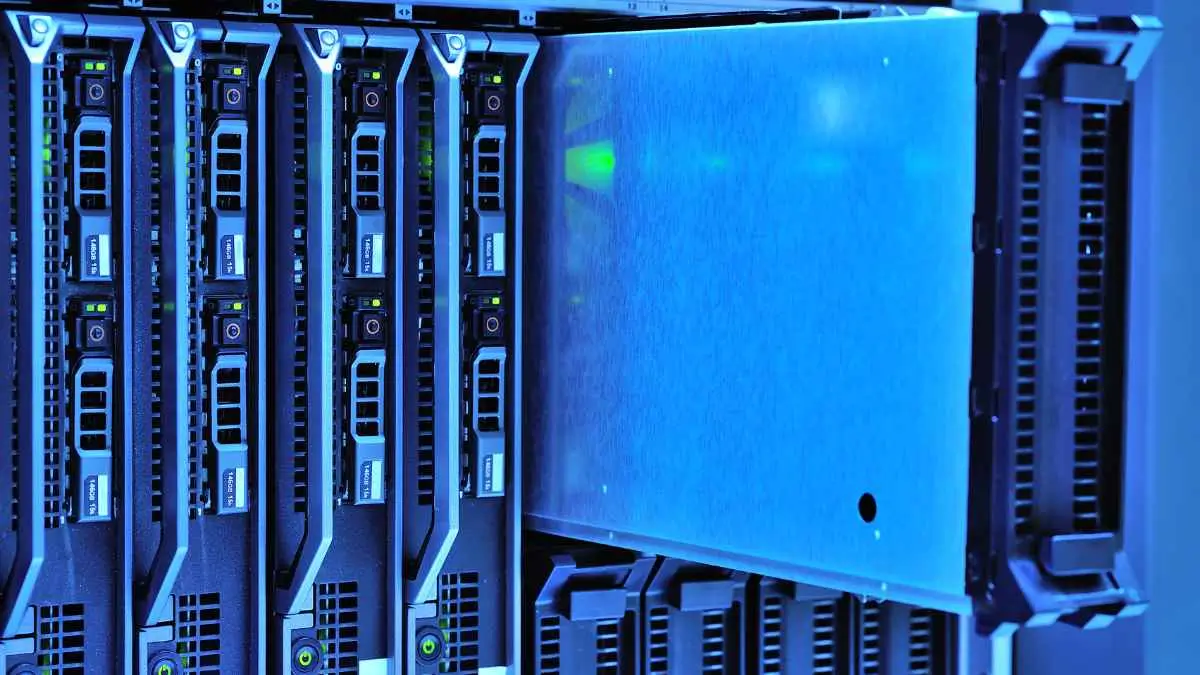
In January 2026, a 12-person jury unanimously convicted Linwei Ding (a former Google engineer) of all seven counts of trade secret theft and economic espionage. Prosecutors stated that the jury found that Linwei had stolen trade secrets relating to the hardware infrastructure and software used to train and deliver large AI models using Google’s supercomputing data centre. These include detailed information about Google’s bespoke Tensor Processing Unit chips and Graphics Processing Unit.
The case isn’t particularly dramatic. Linwei was working on Google’s supercomputing data centres and began transferring confidential information, including over 2000 files, to a cloud account during 2022. He was also working on his own AI business based in China. During mid-2022, he was in talks to become CTO of a Chinese start-up. By early 2023 he was leading his own AI company as CEO. There was no need for covert operations. He was simply a trusted employee with access to confidential data.
This isn’t an isolated case. In 2018 the US Department of Justice charged Chinese state-owned chip-maker Fujian Jinhua along with Taiwan’s UMC and three individuals for conspiring to steal trade secrets from Micron. In 2022, Cybereason identified a long-running cyber-espionage campaign by the Chinese state-linked group APT41. This targeted around 30 multinational companies. According to CSIS, there have been 224 publicly reported cases targeting the US since 2000. Recently, Nvidia are reportedly investigating whether their CEO Jensen Huang was targeted by Chinese intelligence due to a personal relationship.
China’s approach to espionage is not as obvious as many western counter-intelligence agencies would like to believe. It combines state-sponsored hacking, talent poaching, business deals and personal relationships. Many ‘start-ups’ are little more than a paper trail away from being data collection hubs. With a national goal to be the best in the AI and semiconductor industry, any engineer with access to the crown jewels can become a valuable asset.
Analysts highlighted that the information stolen could have given a Chinese competitor the opportunity to “skip huge parts of the design process”, effectively reducing the years of hard work and billions of pounds invested in R&D by Google. It gives them the opportunity to take years of work and put it onto a thumb drive. As these chips and models can be used to power chat bots, logistics, surveillance and weaponry, the distinction between economic and military advantage is almost non-existent.
However we shouldn’t jump to conclusions. Silicon Valley is driven by its immigrant workforce and many of the brightest minds are of Chinese or Chinese American descent. Creating a security system that puts individuals at risk based on their ethnicity would be unfair and would ultimately turn away the talent that makes America so strong. There have been many cases where scientists have been overly prosecuted. We must ensure that individuals are prosecuted for their actions.
What can companies and governments do?
Ensure that insider threat is a key priority. Whilst not the most glamorous of actions, limiting large data transfers, restricting high level access and ensuring no outside business interests would have reduced the opportunity for Linwei.
Encourage collaboration between the private sector and government. The FBI have committed to working closely with private sector partners to protect innovation and trade secrets. Companies should also report any breaches. Ensure that individuals are prosecuted accurately. Having convictions such as Ding’s is valuable as they are backed up by evidence. If cases fail or innocent people are framed then Beijing gain a propaganda win and can damage public confidence.
Ultimately it is a tricky situation to be in. Silicon Valley can’t lock themselves away and lose what makes them so amazing. However, they also can’t be naïve. The conviction of Linwei suggests that the days of ignoring the issue are coming to an end. The real challenge will be protecting the open culture.
Digital entrepreneur and content expert I help businesses with AI, SEO and the latest tech trends. I started Silicon Valley Weekly to make complex tech concepts easy to understand and use for business growth. I know a lot about systems and help startups, entrepreneurs and brands navigate the fast-changing world of tech and online marketing.
I build strategies that use data, search optimization, content marketing and AI tools to get visibility, engagement and revenue. I love finding ways for businesses to grow increasing their presence and turning new ideas into successful businesses. My goal is to connect the technology, with practical business use so brands can succeed online.