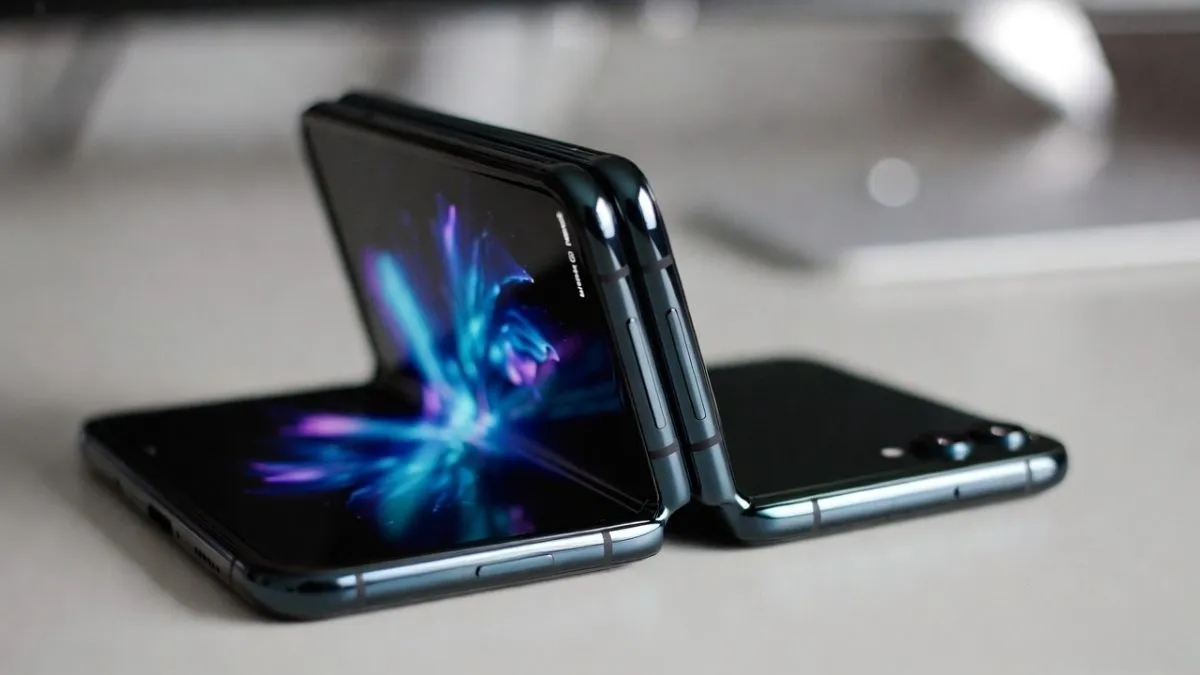
The iPhone Fold, which people have been waiting for for a long time, will come out in the fall of 2026. It will have a book-like design, a 7.8-inch inner display that doesn’t crease, and software that is similar to iPadOS.
Apple is getting ready for what could be the most important product launch in its history. This fall, the iPhone Fold, the company’s first foldable smartphone, is expected to come out with the iPhone 18 Pro lineup. Early signs point to it changing the way we think about phones in a big way.
Apple chose a book-style design that opens horizontally, making it wider than it is tall. This is different from most foldable phones, which fold vertically in a clamshell style. When opened up, the inner display is about 7.8 inches wide and has a 4:3 aspect ratio, which is very similar to the shape of an iPad mini. That one choice makes it different from almost all other foldable phones on the market.
A pocket-sized iPad
It’s not just the size that makes it feel like an iPad. Bloomberg says that Apple is making changes to iOS so that it can support side-by-side multitasking and iPad-style app layouts when the foldable is open. When you open the device, it changes to a larger interface that lets apps run in split view, which is new for iPhones. When closed, the device works like an iPhone, and when opened, it works more like a small iPad.
When the device is folded shut, the 5.49-inch outer display with a 4:3 aspect ratio can do all the normal iPhone tasks. The two screens work together to give users a smooth experience across a range of uses, so they don’t have to carry two separate devices.
Engineering the impossible thin
The iPhone Fold would be Apple’s thinnest device ever at about 4.5mm thick when open. It would beat the 13-inch iPad Pro’s record of 5.1mm. To get this done, a lot of compromises had to be made. Because the ultra-thin body doesn’t have room for a TrueDepth camera system, Face ID is out. Instead, there is a Touch ID sensor built into the power button, like on some iPad models.
The camera system has also been made smaller. The Fold will only have two rear cameras, unlike the triple-lens Pro iPhones, which have a telephoto lens. Apple is said to be putting its engineering resources into a titanium frame and a dual-layer ultra-thin glass structure that will reduce the fold crease, which is a common problem with other foldable phones.
You might also explore:
- What Makes IMAX Dome Theaters Unique?
- Why Silicon Valley Became the World’s Tech and Innovation Hub
- Andreessen Horowitz Launches $42M College Alternative With No Degree
- When Do You Need an Electrician and How to Choose the Right One
- What Is an AI Agent?
Power inside
The A20 Pro chip, which is also expected to be in the iPhone 18 Pro, will power the iPhone Fold. The A20 Pro is said to be one of Apple’s biggest chip upgrades in years. It is made using a new 2-nanometer process and comes with 12GB of LPDDR5 RAM. Also making its debut here is Apple’s own C2 cellular modem, which replaces Qualcomm’s parts with an Apple-designed solution that promises better 5G performance and efficiency.
Availability and cost
Apple is expected to announce the iPhone Fold and the iPhone 18 Pro models at its September event. However, the phone may not ship until later, possibly as late as December, because of problems with production. Sources in manufacturing say that mass production, which was supposed to start in June, has been pushed back to August. This makes it more likely that there will be supply shortages until early 2027.
Leaks and analyst notes keep saying that the starting price will be over $2,000, which would make it the most expensive iPhone ever sold. Reports say that Apple will only offer the device in black and white at launch.
Here are the main points that the article is based on:
Design: The foldable iPhone adopts a 4:3 aspect ratio like an iPad, with an iPad mini-sized OLED display when opened — looking like a hybrid between an iPhone and an iPad.
Software: The device will include iOS updates enabling iPad-like layouts and side-by-side apps for the first time, enhancing its multitasking capabilities.
Build: Apple plans to use a 4:3 aspect ratio to give it an iPad-like shape, target a 4.5mm thickness when open, and use an iPad-style Touch ID side button since the TrueDepth sensor doesn’t fit in the chassis.
Display tech: The foldable iPhone is expected to feature a 7.8-inch inner display, a 5.5-inch outer display, an ultra-thin 4.5mm titanium frame, and a class-leading display with a reduced crease.
Launch timing: Mass production was set to begin in June 2026 but has been pushed back to August, and Apple analyst Ming-Chi Kuo has warned that production challenges could cause supply shortages into 2027.

Digital entrepreneur and content expert I help businesses with AI, SEO and the latest tech trends. I started Silicon Valley Weekly to make complex tech concepts easy to understand and use for business growth. I know a lot about systems and help startups, entrepreneurs and brands navigate the fast-changing world of tech and online marketing.
I build strategies that use data, search optimization, content marketing and AI tools to get visibility, engagement and revenue. I love finding ways for businesses to grow increasing their presence and turning new ideas into successful businesses. My goal is to connect the technology, with practical business use so brands can succeed online.