
Good posture isn’t just standing tall – it’s about alleviating back pain, improving breathing, increasing confidence and supporting overall body alignment. In today’s lifestyle we are often sitting for long periods of time and on screens which can lead to rounded shoulders, neck pain and lower back discomfort. Luckily, there are a few simple exercises that, if done regularly, can help fix posture and strengthen the muscles that support the spine.
1. Chin Tucks
Chin tucks are great for correcting forward head posture from too much phone or computer use. Sit or stand up tall and pull your chin back gently, don’t let your head go down. Assume position, hold for a few seconds and repeat a few times. This exercise helps to reinforce the neck muscles and improve the cervical alignment.
2. Shoulder Blade Squeezes
One of the most common posture problems is rounded shoulders. Squeezing the shoulder blades opens up the chest and activates the upper back muscles. Sit up straight and squeeze your shoulder blades together like you’re trying to hold a pencil between them. Press for 5 seconds and then relax.
3. Cat-Cow Stretch
Cat-Cow Stretch The cat-cow stretch helps improve spinal mobility and relieve back tension. Begin on all fours, arch your back up like a cat, then slowly lower your spine as you lift your chest and head. Fluidly changing positions helps to mobilize the spine, and promote healthy posture.
4. Plank
Good posture requires a strong core. The plank is an exercise for the abdominal muscles, lower back, shoulders and hips. Align your body in a straight line from head to heels, and balance on your forearms and toes. Don’t let your hips sag.
5. Wall Angels
Wall angels improve shoulder mobility and upper back posture. Stand with your back to a wall and put your arms in a “goalpost” position. Put your arms on the wall and slowly slide them up and down. This exercise is good for shoulder alignment.
6. Child’s Pose
Child’s pose is a gentle stretch for your lower back, hips and spine. Kneel on the floor and sit back on heels reaching arms forward and bringing chest down toward floor. Take a few deep breaths in this pose to help release the tension that builds up from sitting for long periods of time.
7. Thoracic Spine Rotation
Poor posture is often the cause of stiffness in the upper back. Thoracic spine rotations increase mobility, decrease tightness. Stand or sit and slowly twist your upper body from side to side. Keep your lower body still. The secret to good stretching is to move in a controlled manner.
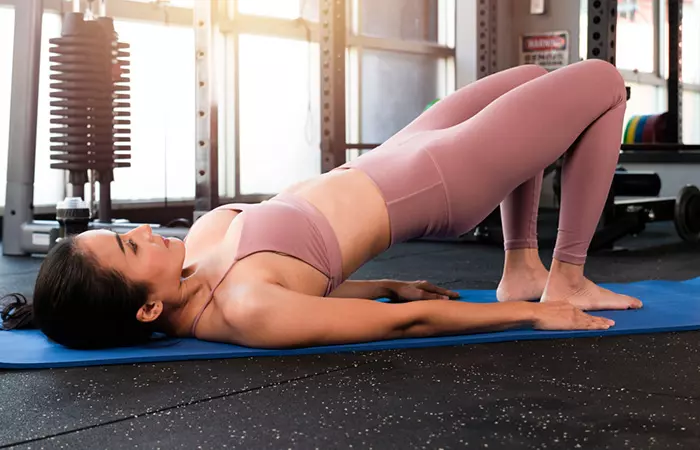
8. Glute Bridge
Poor posture and back strain can result from weak glutes. Lie on your back with your knees bent and your feet flat on the floor. Raise your hips so your body forms a straight line from shoulders to knees. Hold for a moment then slowly lower
9. Chest Stretch
Tight chest muscles pull the shoulders forward and create slouching. Put your forearms on the door frame and stand in the doorway. Lean forward gently until you feel a stretch across your chest. Hold the position for 20-30 seconds while breathing deeply.
10. Bird Dog Exercise
The exercise called bird dog is an excellent workout for building coordination, stabilizing the spine, and increasing balance. It requires you to kneel in an all fours position and extend one arm forward while simultaneously stretching the leg that is opposite of the arm extended.
11. Seated Forward Fold
This stretch alleviates tension in the back and hamstrings, which can impact posture. Sit with legs outstretched and slowly reach for your feet with a long spine. Don’t overreach, breathe evenly.
12. Superman Exercise
Superman exercise strengthens lower back and spinal support muscles. Lie on your stomach with your arms extended forward. At the same time, lift your arms, chest and legs slightly off the floor. Pause briefly and lower under control.
Concluding thoughts
Improving posture takes awareness and consistency. These exercises, done a few times a week, can help strengthen the muscles that support proper alignment, and cut down on everyday aches and stiffness. Along with exercise, an ergonomic workspace, movement breaks and staying physically active can make a big difference to posture over time.