
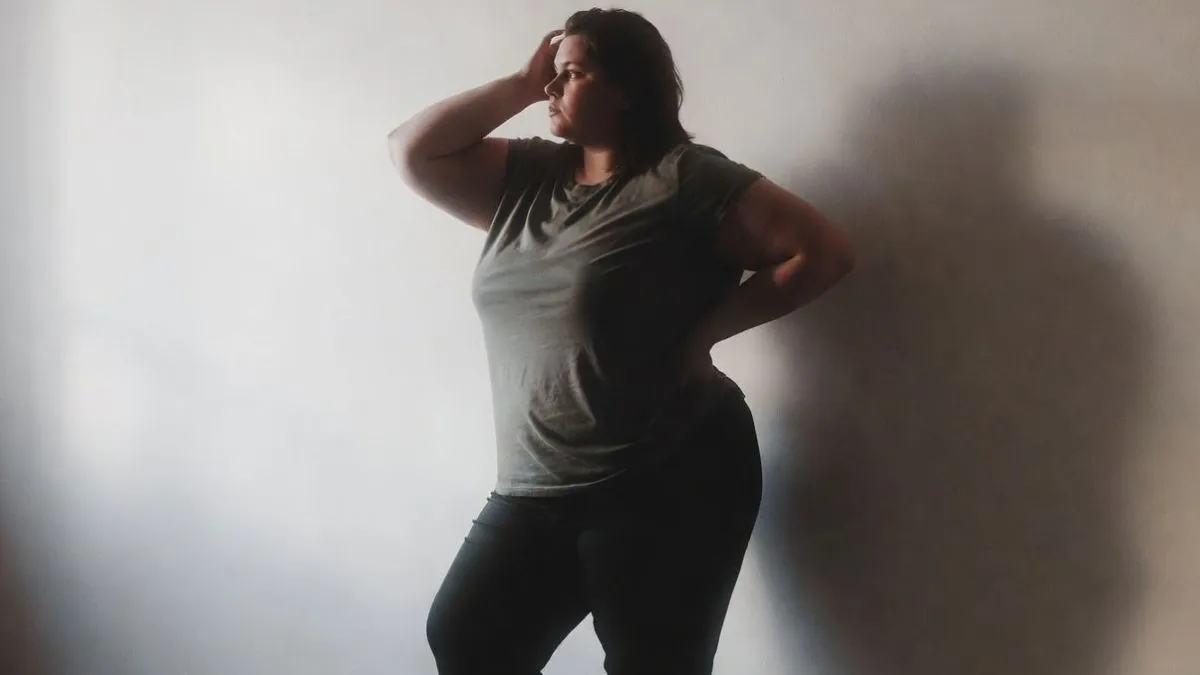
Women of all ages are at risk of serious health problems because they eat too many processed foods, added sugars, saturated fats, and sodium, and not enough fruits, vegetables, whole grains, and nutrient-dense foods. Women have special physiological needs because of hormonal changes, their reproductive cycles, pregnancy, and menopause. This makes them more likely to suffer the effects of poor nutrition. These habits lead to long-term problems like obesity, diabetes, heart disease, hormonal imbalances, and mental health issues, and they tend to have worse effects on women.
Learning about bad eating habits
People who eat poorly often eat a lot of ultra-processed foods, fast food, sugary drinks, and refined carbs, but not enough fiber, vitamins, minerals, and healthy fats. Dietary guidelines say that women should eat mostly whole foods, but many women eat too many calories from added sugars and fats, which is more than the recommended amount of saturated fat (no more than 20g daily for women) and sodium.
Busy lives, marketing of easy-to-eat foods, stress, and socioeconomic barriers are some of the things that make these habits happen. Women frequently indicate a greater vulnerability to emotional eating associated with anxiety, resulting in recurrent patterns of poor dietary decisions. This pattern causes inflammation, weight gain, and problems with metabolism that affect women more than men.
Obesity and Problems with Metabolism
Unhealthy diets are a major cause of obesity, which affects more than 41% of women in many groups. Eating too many calories from foods that aren’t very nutritious can cause visceral fat to build up, which raises the risk of insulin resistance and type 2 diabetes.
Obesity raises the risk of heart disease more in women than in men in some ways. It raises blood pressure, dyslipidemia, and inflammation, which is expected to lead to a rise in cardiovascular disease among U.S. women, with 60% of them expected to have it by 2050 due to obesity and diabetes. Women with diabetes are three to seven times more likely to have heart problems than women without diabetes, and they are more likely to die from coronary events.
Bad diets make these problems worse by causing blood sugar spikes and insulin resistance. Women may experience these problems earlier and more severely because of hormonal changes.
Hormonal Imbalances and Health of the Reproductive System
Diet has a big effect on women’s hormones. Eating unhealthy foods, especially those high in sugar and processed foods, throws off the balance of estrogen, progesterone, and insulin. Foods with a lot of sugar cause insulin spikes that make the ovaries work less well. This can lead to problems like polycystic ovary syndrome (PCOS), irregular periods, and infertility.
A diet low in omega-3s, iron, and folate can make premenstrual syndrome (PMS), menstrual irregularities, and pregnancy problems worse. Poor nutrition during pregnancy increases the risk of gestational diabetes, premature birth, and low birth weight.Ultra-processed foods may make inflammation and gut microbiome problems worse, which can make hormonal issues, autoimmune diseases, and symptoms like painful periods or menopause problems worse. Estrogen dominance, which is caused by having too much body fat from bad eating habits, makes reproductive and breast health risks even worse.
Risk of Osteoporosis and Bone Health
After menopause, women lose bone density faster because their estrogen levels drop. This happens faster when people eat unhealthy foods that are low in calcium, vitamin D, and other nutrients that help bones. This raises the risk of osteoporosis and fractures. Eating a lot of sodium and cola takes calcium out of your body, and not eating enough fruits and vegetables means you don’t get enough antioxidants and minerals to protect your body.
Being overweight from bad eating habits puts stress on bones, but it often goes along with a lack of nutrients. Women in their 40s and older are especially at risk because diets high in processed foods replace dairy, leafy greens, and fortified foods that are important for keeping bones healthy.
Heart disease is a major threat.
Heart disease is the number one killer of women, and one big thing that can be changed is eating poorly. Diets high in trans fats, saturated fats, and sodium raise LDL cholesterol, blood pressure, and triglycerides while lowering HDL cholesterol, which is good for you.
Women who are overweight are much more likely to die from heart disease because visceral fat makes atherosclerosis and heart failure worse. Some studies show that women who are obese have a 64% higher risk of coronary artery disease. Poor nutrition makes this worse by causing chronic inflammation and endothelial dysfunction, which often interact with diabetes and high blood pressure, both of which are more deadly for women.
Effects on Mental Health and Cognition
The gut-brain axis connects what you eat to your mental health. Women are more likely than men to feel bad when they eat poorly. Women who eat fast food, foods with a lot of sugar, and miss meals are more likely to have anxiety, depression, and problems with their thinking.
Processed foods cause inflammation that affects neurotransmitters that control mood. Low levels of omega-3s, B vitamins, and magnesium, which are common in bad diets, make symptoms worse. Trait anxiety can lead to emotional eating of unhealthy foods, which makes the cycle worse.
Body dissatisfaction, which is often caused by yo-yo dieting, makes self-esteem worse and can lead to eating disorders.
Other Effects: Energy, Immunity, and Longevity
Low-fiber, nutrient-poor diets can cause chronic fatigue, a weakened immune system, and digestive problems like constipation. Women are more likely to have problems with iron-deficiency anemia and lactose intolerance.These habits lower the quality of life over time and speed up the aging process, which includes problems with the skin and loss of muscle.
Conclusion: Giving Women More Power Through Food
Unhealthy eating habits have a wide range of negative effects on women’s health, including problems with reproduction, bone loss, and an increased risk of chronic diseases and mental health issues. These effects come from the way that diet, hormones, and lifestyle interact in women. Women can greatly improve their health, length of life, and quality of life by being aware of these risks and following healthy eating habits that last. For lasting change, education, access to healthy foods, and supportive environments are all very important. Putting nutrition first is not just about staying healthy; it’s an investment in a woman’s health at every stage of her life.