
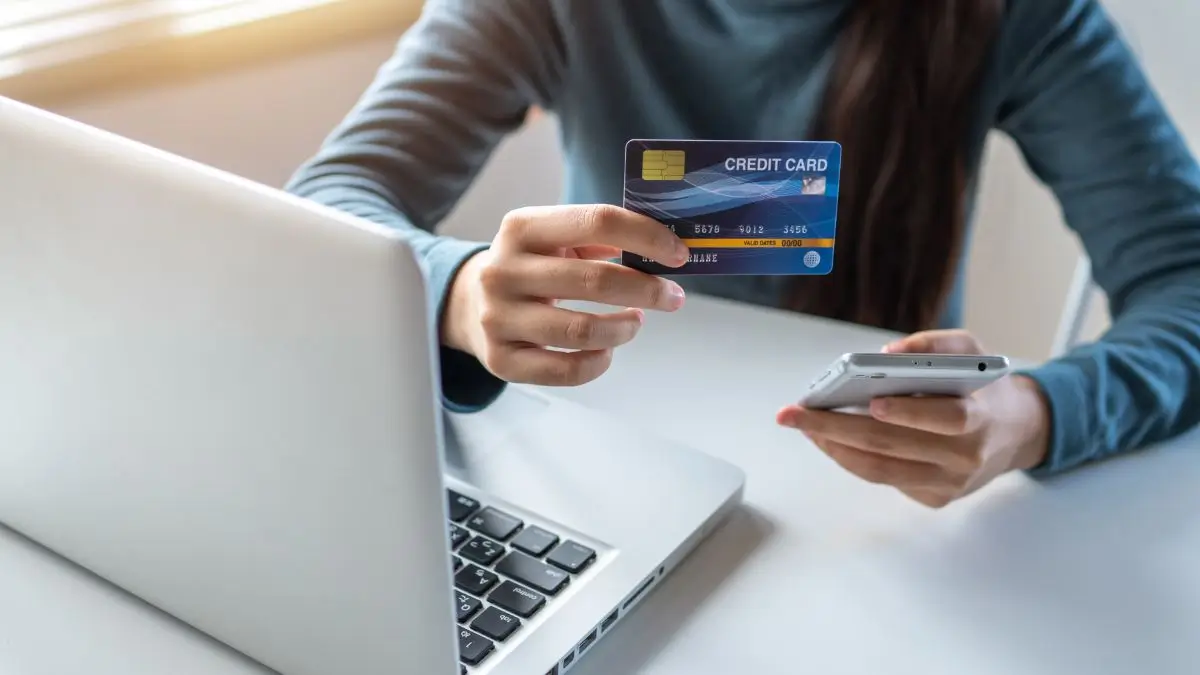
The way the world is paying for things is evolving faster than ever before. In each period of history, from the simplest barter to coins, paper money, credit cards, and mobile payments with a simple smartphone tap, the meaning of value exchange has been constantly redefined. At present, another significant transformation is being made possible through technologies like AI blockchain biometrics, and in reality people now have mobile first attitude which is hard to resist. The future of digital payments is not fantasy, it is real and happening now. This is transforming the way we do business, banking, and even our life on a daily basis, bringing about an amazing and deep revolution.
The Decline of Physical Cash
Money was already losing its value for many years, yet now that the downfall has picked up momentum incredibly. In countries like Sweden and South Korea, cash deals account for only a small portion of total consumer spending, as digital alternatives gradually take over what used to be the role of banknotes and coins. First, the outbreak of the SARS-CoV-2 (2019-nCoV) virus turned out to be the major catalyst which even cash-only consumers were finally driven to shift to touch-free and online payments to help health. What started off as a change in the consumer’s habits is a new, irreversible reality.
These days, people don’t come across actual money for very long periods of time in which they use cards, mobile payments, and electronic wallets to make transactions more time-efficient, sanitary, and easy to track. Although money will not vanish completely as far as the less developed financial infrastructure economies are concerned, its role will be greatly reduced and the commercial as well as cultural significance will be definitely over.
The Rise of Mobile Wallets and Super Apps
Mobile wallets have gone from a novelty to a necessity in a very short time. Apple Pay, Google Pay, PhonePe and Alipay are just a few that have proven to potential and current users that they are willing to store their payment credentials, loyalty cards, and even identification documents in one application on their smartphone.
In Asia, this has become even more of a case where consumers use one app for all their digital needs, i.e. messaging online shopping, ride-sharing, ordering food, and many financial services – a trend exemplified by WeChat Pay and Paytm where the very act of a payment is a part of your digital daily life. It is the West But that is slowly heading in the same direction with apps like Cash App, PayPal, and Venmo not limiting their services to peer-to-peer transferring only but offering a range of financial and related services, for instance.
Blockchain and Decentralized Finance
Cryptocurrencies and decentralized finance have been among the hottest topics of late in the payments industry. Even though Bitcoin and similar digital coins are still a highly volatile class of investment, that very volatility has opened the door to a wide audience. Meanwhile, it is the blockchain technology introduced with such a disruptive product that’s grabbing attention from big institutions like banks, governments, and payment providers. That’s probably because the idea of a shared, immutable register of data that can be independently validated by multiple parties without the assistance of any intermediaries still sounds like science fiction. And yet this is how the so-called “decentralized ledger” works! The main attraction of such a technology from the point of view of the financial players involved in cross-border payment services is, besides of course the cost reduction potential, the elimination of delays.
Stablecoins which represent crypto assets, their price has been tied through the underlying algorithm to that of a fiat currency (US dollar, in most of the cases), could be the most tangible of solutions allowing one to smoothly transition from conventional banking services into the world of decentralized finance. This type of arrangement would make daily usage much easier for people without making them expose themselves to wild cryptocurrency price swings since the value will be tied to a real-world currency all the time. The reason why Bitcoin will remain a great investment is the unpredictable prices. Alongside these developments, many central bank representatives around the globe are currently engaged in designing the structure for CBDCs – Central Bank Issued/Digitised Currencies that would be issued via a legal tender and be based on blockchain technology for instance.
Biometric Authentication and Security
Digital payments have become almost a daily habit for people and this way the need for securing them has become vital. Password-based authentications are a common method but it doesn’t stop there now as we move to biometric authentications like fingerprint scanner, facial recognition, voice identification, and even the behaviour biometrics that look into how a person is typing or holding their device to understand their mannerisms and patterns in their daily behaviour. These technologies make unauthorized access to your data almost impossible while on the flip side they have made the user experience a breeze.
The leading banks and digital payment platforms are putting their resources into multi-layered security systems where the biometric authentication is coupled at least with a fraud detection mechanism through machine learning that is quite capable of pinpointing the oddities of suspicious transaction patterns and raising a flag or stopping the transaction right away before any loss. And on the other side of the table, people have become so used to having these kind of biometric authentication methods being a regular part of their life, such that now they are sharing their biometric data happily to get convenience and security – a kind of trade-off that would have raised eyebrows just ten years ago.
Embedded Finance and Invisible Payments
Embedded finance is one of the revolutionary directions in the future of payments. Basically, embedded finance means bringing payment functionalities together with products and platforms that are non-Financial. A simple example is a customer on an online shopping site, who does not have to be redirected to a payment website when completing a purchase, or a ride share passenger who does not see any form of payment after a trip, these are embedded finance scenarios.
Payments disappear completely from the scene and are only a few clicks in a user journey. Businesses are now in a great position where they can design the entirety of the customer experience and also earn money through financial services without actually becoming traditional banks. For the customers, this much reduces a level of friction to almost no friction. Shopify, Uber, and Amazon are among the companies that are already successfully using embedded finance and as banking infrastructure that is API driven becomes more mature, we are going to expect embedded finance as the norm not the exception.
Financial Inclusion and the Unbanked
Yes the digital payment revolution’s most compelling aspect is its ability to open the financial system to more or less 1.4 billion adults around the world who are still unbanked today. Conventional banks always need buildings, documents, and an active account which in practice keep them out of the financial system of the developing economies. Then again, mobile money services work with a simple smartphone connection and the mobile network.
A good example is M-Pesa in Kenya which shows that mobile payments could be the financial solution for groups of people that traditional banks have never served. With mobile phone penetration rising in Africa, Southeast Asia, and Latin America, mobile payment services will provide the first-ever entry into a formal financial system of unprecedented numbers of people.
The Road Ahead
The future of payment in the digital world is neither one technology nor one platform, it is a convergence of different technologies and innovations that will all together make payment processes more immediate, safeguarding money, and make them accessible to many people and even the way of carrying operations will not be very noticeable any more. Those that will come out top in this field will be the ones who create consumer reliability, work for a global scale, and tackle the existing barriers for people who should have access to the tools of modern trading. It is not an option for the adaptation to this shift; it is the main financial skill challenge of the next ten years for all businesses, governments and ordinary people.

Digital entrepreneur and content expert I help businesses with AI, SEO and the latest tech trends. I started Silicon Valley Weekly to make complex tech concepts easy to understand and use for business growth. I know a lot about systems and help startups, entrepreneurs and brands navigate the fast-changing world of tech and online marketing.
I build strategies that use data, search optimization, content marketing and AI tools to get visibility, engagement and revenue. I love finding ways for businesses to grow increasing their presence and turning new ideas into successful businesses. My goal is to connect the technology, with practical business use so brands can succeed online.