The Machines Are Moving In
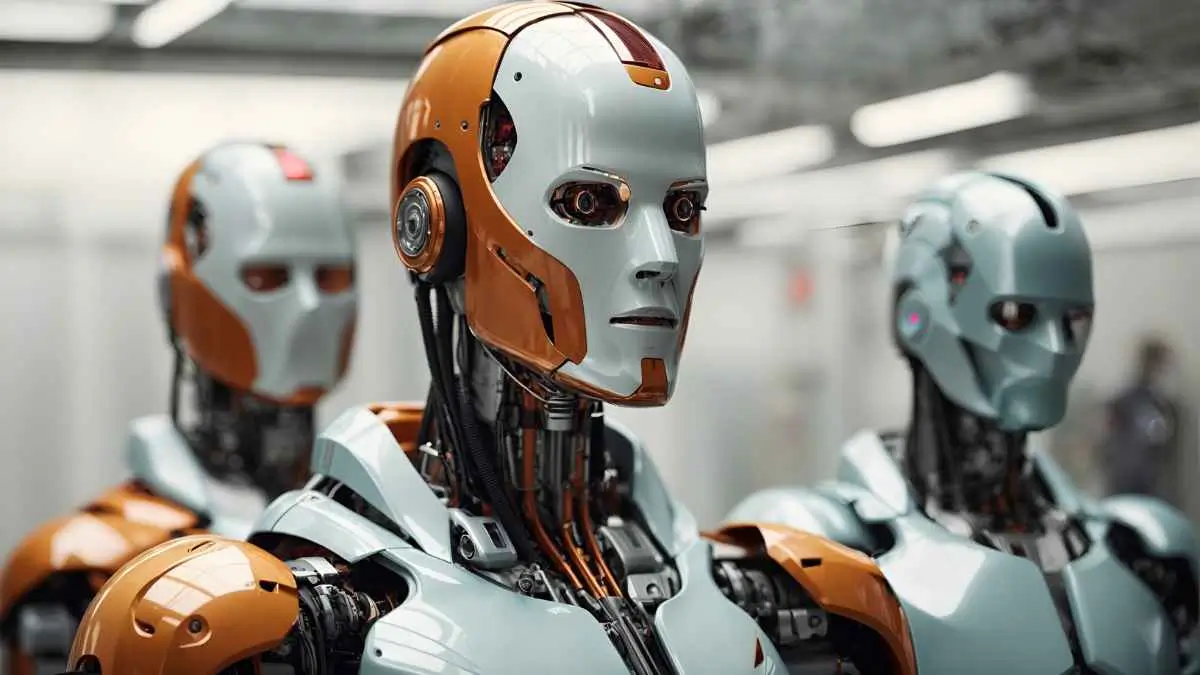
Meta is quietly testing robots with their data centers that can be the main turning point for the company’s AI infrastructures. Initially reported by WIRED and then confirmed by Meta employees (both past and present) via private conversations, the trials of the company are probably one of the biggest efforts of tech companies toward implementing robots physically in facilities that were manned by highly skilled human technicians throughout their operations. The test is at the very early stage yet but, as it seems, the consequences have already reached the workplace.
What the Robots Can Do
Machines which are being tested have the ability to cope with different kinds of routine but important tasks that they have to perform. Meta is currently conducting a trial of the equipment manufactured by three robotics companies: San Francisco based Watney Robotics, Quebec based Kinova, and Zurich based ABB. The three machines can perform different tasks such as switching over networking cables, restarting servers, reseating components, and cutting power supply to the equipment. In the facility at Altoona, Iowa Meta has been using two dual-armed Watney robots for cabling since June 2025 and this is still happening.
The Kinova Gen3 robotic arm will be subjected to a totally different type of test for power-cycling server units, switching off electricity supply to individual units on command. Meanwhile, a simpler device resembling a mechanical finger that remotely presses the power button of a Mac Mini or similar units to start a computer has already been deployed in some of the facilities. The trials of these machines are now underway also at the Prometheus data center in New Albany, Ohio.
Slower, But Getting There
Robots today aren’t even remotely close to being able to completely replace technician jobs. Besides being much slower, the machines also require continuous surveillance from humans and face difficulties in such areas as tangled wires, inspection by sight, battery power between charging sessions and others. Complex repair cases are still very human-dependent. Despite many such drawbacks, it is this quick development that unsettles workers. A tech doesn’t have to be absolutely perfect for it to break everything else – only sufficiently performing for a few specific high-volume tasks may trigger huge changes of employment structures already.
Workers Sound the Alarm
The ground atmosphere is tense. A Meta data-center employee who communicated with WIRED was of the opinion that a working cable-swapping robot in fact may eventually remove as much as 80 percent of the work from some technician roles. Also, workers who before believed that their jobs were safe would not have that belief now. Other people have suggested that robotics implementation that is successful may bring about a new kind of workforce with two kinds of employees in a sense: a small number of engineers who take care of the machines; a much bigger number of staff who would earn very small salaries and do what the AI says for simple tasks. One worker simply said that the company’s main idea is finding people who know how to carry out orders and who are not good at solving problems.
Meta’s Official Position
Robotics the tech giant has refuted the worst case scenarios about its robotics project.Francis Brennan from the company pointed out that the artificial intelligence infrastructure has been quickly scaling up so Meta has been hiring and training workers on a regular basis. Referencing the magnitude of the infrastructure development, Brennan said the scene was actually the most significant infrastructure construction boom in the US since World War II. On that front, as he put it, the workforce shortage in technical skills, rather than the surplus, poses threat to the industry. In an effort to plug this gap, the company began its own training program in electrical, mechanical and plumbing fields (and even for plumbing jobs, it seems!) and even promised guaranteed jobs in several states to the trainees. We hope
The Bigger Picture
Meta’s robotics development isn’t going to be an island. U.S. tech firms slashed almost 140,000 positions in the same year where AI spending hit staggering amounts. Those layoffs were largely from big names like Amazon Oracle Meta, and Microsoft, who are said to have laid off tens of thousands of employees. The firm is set to spend at least $130 billion, possibly up to 145 billion, on capital investment for AI infrastructure solely in 2026. As it gets more money for investment, one main dilemma is rising in popularity: will data centers being developed for AI result in the creation of jobs, or on the contrary, slowly swallow up the existing ones?

Digital entrepreneur and content expert I help businesses with AI, SEO and the latest tech trends. I started Silicon Valley Weekly to make complex tech concepts easy to understand and use for business growth. I know a lot about systems and help startups, entrepreneurs and brands navigate the fast-changing world of tech and online marketing.
I build strategies that use data, search optimization, content marketing and AI tools to get visibility, engagement and revenue. I love finding ways for businesses to grow increasing their presence and turning new ideas into successful businesses. My goal is to connect the technology, with practical business use so brands can succeed online.