
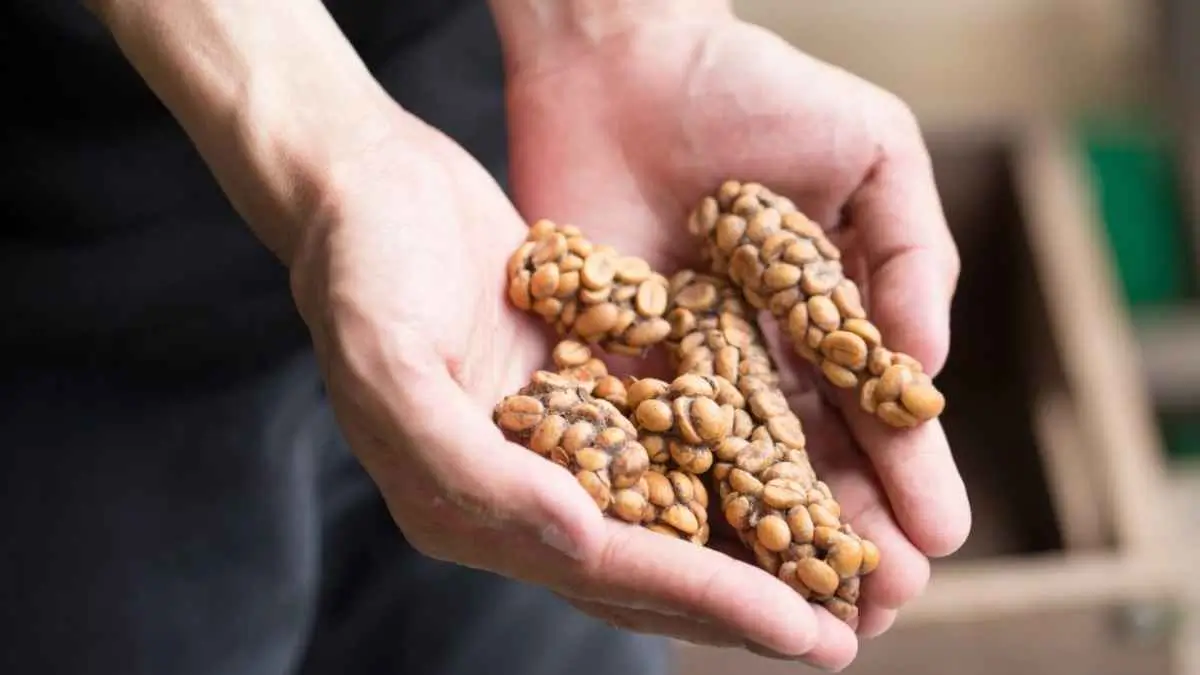
There are coffees that grow on misty volcanic slopes, age in whisky barrels and are hand-picked just when they are ripe. And then there is kopi luwak, coffee that has been processed through the digestive system of a small Asian mammal before it is put in your cup. Mainly, in Indonesia is where this kopi luwak is produced and this is a coffee that is at the same time most expensive, most discussed, and most unusual one around. In it, there is a balance of fascination and repulsion, prices it commands make even a sommelir cringe and it is also a focus of growing ethical questions which have Much marred its image. Learning about kopi luwak means realising that coffee, a product that like many of human treasures, seldom is a simple thing.
What Is Kopi Luwak?
The name is a compound of the two Indonesian words for the beverage – ‘kopi’ is for coffee and ‘luwak’ is the locals’ name of the animal. They refer to a species of animal, viz. the Asian palm civets, which looks like cat with big eyes. Wild civets have very selective diets, choosing the softest ripest and most aromatic coffee fruits on a coffee plant in their wild habitat and eating the fruits in whole. After consuming the fruit, the civet digestive system digests the fruit flesh but the beans inside the bean case pass through its intestine largely undamaged. Throughout this journey of digestive transit the beans become biologically altered – enzymes present in the carnivore’s gastric cavity degrade various components of the bean, Because of this changing the chemical properties of the bean and So flavor of the coffee brewed from it.
The beans that are expelled in the faeces of the civets are picked up cleaned sun-dried, and then roasted. The resulting coffee can be described as smoother, less bitter and more complex. It usually has an earthy, chocolatey note and can have a very strong and lingering aftertaste. Whether the quality, taste, and characteristics really do live up to the myth, or rather the mystery, surrounding them, it is definitely a point of contention that has attracted and divided coffee connoisseurs Over time. Yet, the mythology about it has stayed strong.
Origins and History
Kopi luwak traces back to the days of Dutch colonials rule in Indonesia that persisted from the early seventeenth century to the early part of the twentieth. The Dutch plantation bosses created big coffee plantations all over the Indonesian archipelago, but one of the places where coffee was grown extensively was Java, Sumatra, and Sulawesi islands. In fact, they also prohibited the local workers from even tasting the coffee they harvested themselves. Out of sheer necessity and with great resourcefulness the workers soon noticed that civets were consuming coffee cherries and passing the intact beans in the faeces. So, with this insight, they started collecting these left-over beans, and after properly washing and roasting the beans, they ended up producing very nice coffee. The Dutch plantation owners eventually heard about it and started to enjoy it as well. What was originally an effort to get around colonial limitations became, after decades, among the few coffee products of the highest quality that are really expensive and in demand.
Taste and What Sets It Apart
Those who love kopi luwak think that the difference is very great: an espresso or any other coffee type that is brewed with such beans tastes a lot better that the same type brewed with regular specialty beans. The enzymes of the civet’s gastrointestinal system are probably responsible for this because the bitter-tasting proteins that are present in the coffee that is being digested with by-products of digestion become A lot lower in quantities, leading to low acidity levels and a better-rounded mouthfeel. The dark chocolate aroma combined with mild earthiness, light caramel flavour is quite common. This unique way of processing civet’s droppings leaves a light and faint “smoky” touch to this type of coffee, one that is quite characteristic to this type of coffee. Its aftertaste is supposedly the longest and cleanest that has been tasted before. On the contrary, independent blind taste tests have not only produced more mixed outcomes but also have challenged many of the positive impressions people have about this very unique bean.
In some controlled studies, blindfolded coffee tasting events, professionals have placed kopi luwak in a category lower than a specialty coffee processed per more traditional ways. Most of the experts in the specialized coffee world tend to think that what makes kopi luwak special (distinctive) is not definitely the same what makes it excellent – and the fact is that it is very expensive due mostly to the novelty and rarity instead of any clear superiority of taste.
Price and Rarity
Kopi luwag is often referenced as the world’s most expensive coffee. A kilogram retail price varies from roughly $100 to $600. And the cup price differs, for example, in a high-end cafe or a hotel room service, it could vary between $35 to $100 a cup. The coffee is so rare that it naturally is scarce because in genuine wild condition, the number of coffee beans that an un-confined civet population could generate is inherently limited and the beans collection from the forest floor is tedious manual work Such price has made kopi luwaga a high-end gift product, a desirable travel-item and a menu item in the cafes of the elite coffee lovers all the way from Tokyo, London to New York.
The Ethical Problem
The kopi luwak story takes a turn for the worse here. As global demand for this coffee went up dramatically, Mostly after a 2007 mention in the Hollywood film The Bucket List, producers seized the commercial opportunity to destroyed the very factors that made the product desirable in the first place. In Indonesian, Filipino, and Vietnamese regions, numerous civets were captured from the wilderness, kept in very small cages on battery-farm-like plantations, force-fed coffee cherries in quantities way more than what a wild civet would only eat, and nailed up in animal welfare organizations’ description as being extremely inhumane conditions. These organizations carried out investigations together with the BBC, PETA, and others that showed animals were stressed, poorly fed, and almost completely deprived of natural requirements i.e. space, varied diet, nocturnal freedom conditions that civets ideally need.
The ethical issues go further than simply animal welfare. The large scale produced caged-civet kopi luwak that now occupies most of the market is not just made under harsh conditions – it is also likely be of a lesser quality with flavor when compared to the wild variety since animals under stress and fed a monotonous diet aren’t able to produce the same selective enzyme-rich digesting that made the original product special. Most of the kopi luwak sold today, Mainly on the cheaper end, is of dubious origin and addition of ordinary beans has been very common and widely documented.
Can Ethical Kopi Luwak Exist?
A few producers argue that if kopi luwak (i.e. coffee from civet feces) comes genuinely from free-ranging animals living naturally in forests then it is possible to make and sell it ethically and sustainably. Such producers are mainly located in the remote parts of Sumatra and Sulawesi. There, farming families who live alongside wildlife (in particular, wild civets whose trails run through their farmlands) The resulting kopi luwak is by nature a coffee of extreme rarity so its price is always among the highest in the coffee market. For those who want to try and purchase kopi luwak without being complicit in or supporting animal mistreatment, traceability and getting a certified product are absolutely crucial although even these are rarely subject to independent verification.
A Cup Worth Contemplating
Kopi luwak is somehow caught between coffee lovers, being at once, a rare and historic culinary treasure, a real sensory discovery, and a very sad warning story about what can happen when luxury collides commercial demand without any limitations. When kopi luwak is done right – collected in the wild, gathered in an ethical manner, roast with care – it truly delivers a surprising and very stimulating coffee drinking experience. When it’s done wrong, it turns into an over-charged novelty product produced by exploiting the life of animals who are kept in terrible conditions. The civet is as a nocturnal and elusive animal, which also seems to be the case with the real story of kopi luwak. The coffee is well worth the search, but to do so you should be fully aware and not sleep with your eyes open.

Digital entrepreneur and content expert I help businesses with AI, SEO and the latest tech trends. I started Silicon Valley Weekly to make complex tech concepts easy to understand and use for business growth. I know a lot about systems and help startups, entrepreneurs and brands navigate the fast-changing world of tech and online marketing.
I build strategies that use data, search optimization, content marketing and AI tools to get visibility, engagement and revenue. I love finding ways for businesses to grow increasing their presence and turning new ideas into successful businesses. My goal is to connect the technology, with practical business use so brands can succeed online.