
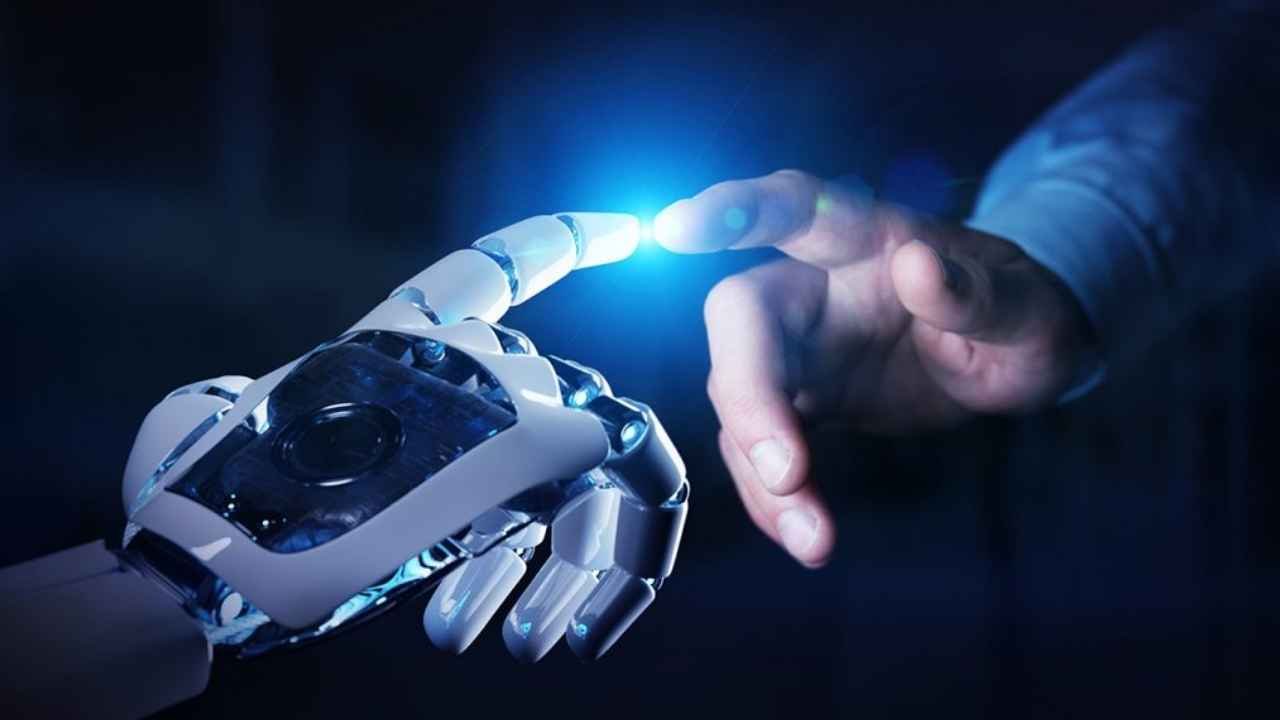
Robotics is reshaping our world at an astonishing pace, fundamentally altering the ways we live, labor, and engage with the world around us. Robots, once the stuff of futuristic tales, have become a fixture in our daily existence. They’re everywhere, from the factories and hospitals to classrooms, our own houses, and even the far reaches of space. The ongoing development of robotics, in tandem with artificial intelligence (AI), suggests a future where human-machine interactions will offer significant possibilities, but also present intricate ethical, social, and economic challenges. Understanding this future is essential for creating a world where technology enhances human abilities instead of replacing them.
The Evolution of Robotics
The development of robotics has gone through several major phases. Early robots were rigid, pre-programmed machines designed for repetitive tasks in factories. These industrial robots fundamentally changed manufacturing, boosting efficiency, consistency, and safety in the process. Today’s robots, in contrast, have come a long way. They navigate their environment using sensors, absorbing information from data, and adjusting to fresh circumstances through machine learning and AI.
Modern robotics combines computer vision, natural language processing, biomechanics, and cognitive science. This merging of capabilities enables robots to do more than just manual labor; they can also work alongside people in a smart way. Therefore, the field of robotics has moved beyond the idea of machines replacing human workers. It’s now about how people and robots can work together.
Robotics in the workplace is a growing area of study.
The impact of robotics technology on the world of work is considerable. Automation has already reshaped sectors like manufacturing, logistics, agriculture, and construction. Robots can perform dangerous, repetitive, or highly precise tasks more efficiently than humans, which reduces workplace injuries and lowers production costs.
Cobots, or collaborative robots, are poised to become a familiar sight in the years ahead. These machines are built to collaborate with people, providing support instead of taking their place. In manufacturing, for example, robots can handle heavy lifting, allowing people to focus on design, quality control, and making decisions. Software robots and AI will take over the drudgery of everyday office tasks, freeing up employees to focus on more innovative and strategic endeavors.
While concerns about job loss are valid, the rise of robotics also creates new job opportunities. These include roles in robot maintenance, programming, data analysis, and system design. The main challenge will be retraining and improving the skills of the workforce to adapt to this technological change.
Revolutionizing Healthcare and Medicine
Robotics is poised to transform healthcare, and the implications are significant. Surgical robots have already transformed the operating room, allowing surgeons to conduct minimally invasive procedures with remarkable accuracy. This advancement has led to shorter recovery periods and better results for patients. In the future, we can expect robotic systems to become more autonomous, which will help with diagnostics, personalized treatment plans, and rehabilitation programs.
Care robots are poised to be essential in assisting the elderly across the globe. These robots offer assistance to older adults, helping with everyday tasks, keeping tabs on their health, prompting them to take their meds, and offering a bit of company. Hospitals are increasingly turning to robots for various duties. These machines will take over tasks like disinfecting rooms, moving patients, and delivering supplies. This shift frees up medical professionals to concentrate on what matters most: providing care directly to patients.
Telepresence robots are set to broaden healthcare access, allowing physicians to connect with patients in locations that are either distant or lacking adequate medical resources. Combining robotics with healthcare has the potential to improve the efficiency, accessibility, and patient-centeredness of medical services.
Robots are becoming more and more common in our everyday lives.
Robots are gradually becoming a part of our daily routines, extending their reach beyond just offices and medical facilities. Smart home robots are capable of a range of functions: they can clean, prepare meals, offer security, and handle various household chores. As artificial intelligence improves, personal assistant robots will become more conversational and emotionally aware. They will adapt to individual preferences and daily routines.
In educational settings, robotic tutors and learning companions offer personalized instruction, which helps students learn at their own pace. These systems can support educators by providing additional resources, tracking student progress, and encouraging active learning.
Robotics will also be very important in transportation and how cities are built. The introduction of self-driving cars, delivery drones, and robotic public services will lead to significant changes in cities, making them safer, more efficient, and better for the environment. Robotics and AI will transform cities into smart, efficient places, streamlining everything from how we get around to how we use energy, and even how we keep people safe.
Human-robot collaboration raises important ethical questions.
As robots become more capable and independent, ethical considerations will become increasingly important. It is essential to address concerns about accountability, privacy, and how decisions are made. For example, if an autonomous robot causes harm, who’s to blame? Ensuring fairness, transparency, and the absence of bias in robotic systems is a complex challenge. It requires a multifaceted approach.
Another important issue is the emotional connection between people and robots. As social robots become more lifelike, it’s possible that people will develop emotional connections with them. While this can be beneficial in areas like therapy or elder care, it also raises concerns about dependency, manipulation, and the potential weakening of human connections.
To address these challenges, it’s essential for governments, organizations, and technology experts to work together to create ethical guidelines and regulations. The development of responsible robotics should prioritize human values, dignity, and well-being.
Robotics and Human Identity
The growing presence of robots will also influence how people see themselves. As machines take on tasks previously considered uniquely human, such as learning, problem-solving, and creative work, society will need to rethink what it means to be human.
The future, rather than being defined by competition with robots, will likely be defined by how humans and machines work together. Humans possess qualities that machines cannot fully replicate, such as empathy, moral judgment, imagination, and emotional intelligence. Robotic technology can enhance these strengths by taking on repetitive or dangerous tasks. This allows people to focus on innovation, building relationships, and personal growth.
Therefore, robotics could lead to a future that focuses more on people, where individuals have more time for meaningful work, ongoing learning, and creative activities.
The Road Ahead
The path humanity takes with robotics isn’t predetermined, a perfect world or a nightmare. Instead, it hinges on the decisions we make now. If developed thoughtfully, robotics could help solve some of the world’s most pressing problems, including labor shortages, access to healthcare, climate change, and disaster response.
Education will be a key player in this shift. Training future generations to work with robots requires more than just technical skills. It also requires the development of critical thinking, adaptability, and a strong sense of ethics. Societies that prioritize inclusive innovation and human-centered policies will be best positioned to thrive in a future where robots are common.
Conclusion
Robotics is on the brink of reshaping our world, and the impact will be both significant and enduring. Robots are poised to become essential collaborators in our advancement, fundamentally altering industries, healthcare, and the very fabric of our everyday existence and self-perception. The main benefit of robotics isn’t to replace people, but to enhance human abilities and improve overall well-being.
Going forward, the main challenge is to ensure that the development of robotics aligns with human values. Through collaboration, ethical responsibility, and a commitment to continuous learning, people can build a future where robots are powerful tools for empowerment, innovation, and shared prosperity.