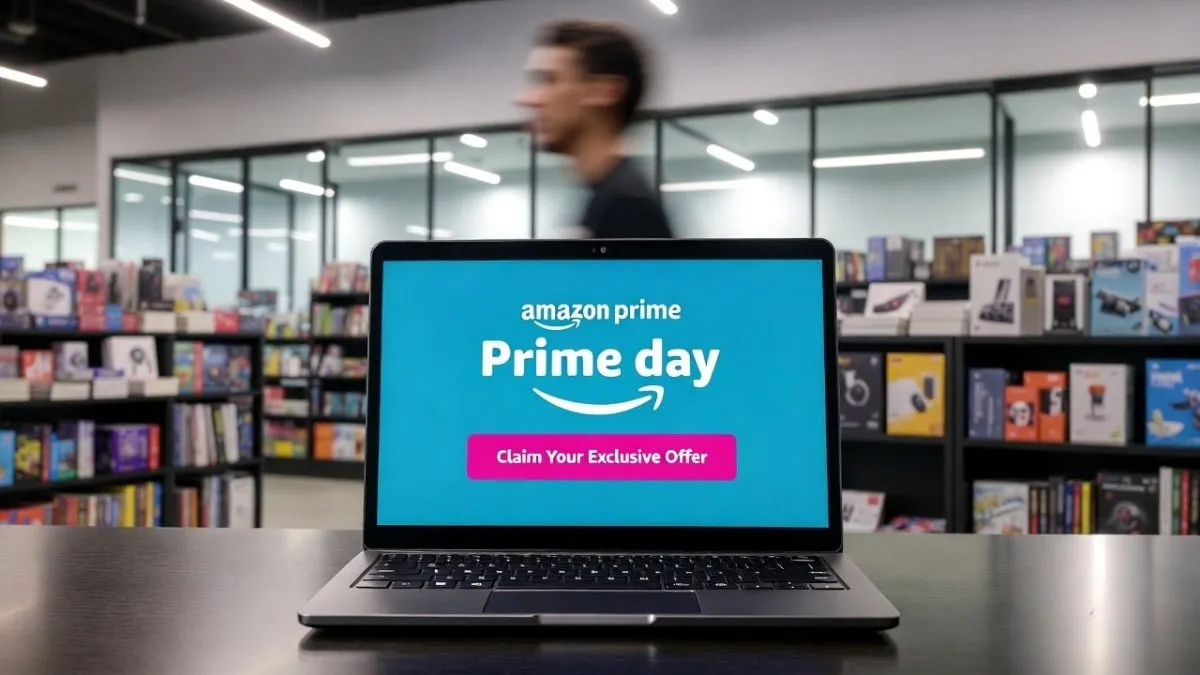
Amazon Prime Day is the biggest sale of the year for Amazon. It happens every summer and is only open to Prime members. It started in 2015 as a one-day party for Prime members. Now it’s a worldwide event that rivals Black Friday and Cyber Monday, but only Prime members can get the deals. What began as a day of sales to mark Amazon’s 20th birthday has grown into one of the world’s most anticipated shopping events.
How Long Does Prime Day Last?
In the past, the event lasted two days and was only for Prime members. In 2025, Amazon tried making Prime Day last four days, from July 8 to July 11. This was the longest Prime Day ever. Amazon has thousands of discounts on Prime Day, including a lot of Lightning Deals that come and go during the sale. It starts at midnight Pacific Time and ends at the same time on the last day.
What day is Prime Day in 2026?
Amazon hasn’t officially announced the dates for 2026 yet, but past patterns strongly suggest that they will be in mid-July. Based on patterns that have been consistent from 2022 to 2025, Prime Day is most likely to happen between July 7 and July 17, with a very strong chance that it will be on a Tuesday and Wednesday. You can usually find out the official dates from Amazon about a month in advance, so check back in mid-June 2026 to be sure.
What to Expect from the Deals
There are a lot of different kinds of products on Prime Day. During this four-day event, you can save a lot of money on thousands of items in tech, fashion, beauty, home, and more. Some deals are as high as 92% off, and they include brands like Dyson, Apple, Adidas, and Kate Spade. In 2025, Amazon had sales of up to 50% off Levi’s and Shark, up to 40% off Bissell, Tarte, and Vans, and up to 30% off Kiehl’s and Sunday Riley. Amazon also usually has special deals in stores. For example, during the 2025 event, you could get $20 off when you spent $75 in-store at Amazon Fresh or Whole Foods.
The Scale: How Big Is Prime Day?
The size of Prime Day is just mind-boggling. In the summer of 2025, U.S. online sales outside of Amazon alone hit $24.1 billion, which is the same as combining Black Friday and Cyber Monday online sales from 2024. In 2024, Prime Day brought in more than $12 billion in sales around the world. 2026 is on track to break that record. Last year’s event brought in more than $3 billion in sales for small businesses. According to a survey by Tinuiti, almost one out of every five Prime members waits for Prime Day to buy something.
Now, Prime Day is a year-round calendar.
It’s not just one summer event anymore; Prime Day is now a whole season. Amazon has set up a whole system of promotions around it all year long. The summer and fall sales come after Amazon’s Big Spring Sale, which is like Prime Day but before summer. Amazon’s biggest sale of 2025 was from July 8 to July 11. The fall equivalent, Prime Big Deal Days, took place in October. The 2026 Big Spring Sale will definitely take place from March 25 to March 31. Items on Amazon Outlet will be up to 50% off.
Who Can Go Shopping on Prime Day?
Only Amazon Prime members can shop on Prime Day. A regular Prime membership costs $14.99 a month. But people who get government benefits like Medicaid, SNAP, or SSI can get Prime Access for $6.99 a month. This includes all the Prime benefits plus extra savings. College students can get Prime for $7.49 a month or $69 a year. It comes with benefits like a free year of Grubhub+ and discounts on Course Hero. If you’re not a member, you can sign up for a free 30-day trial of Amazon Prime to get access. Just remember to cancel if you don’t want to keep using it after Prime Day.
Where Can You Get Prime Day?
There are many countries where Prime Day is available. These include Australia, Austria, Belgium, Brazil, Canada, Egypt, France, Germany, India, Italy, Japan, Luxembourg, Mexico, the Netherlands, Poland, Portugal, Saudi Arabia, Singapore, Spain, Sweden, Turkey, the United Arab Emirates, the U.S., and the UK.
Advice for shoppers on how to get the best deals
You need to plan ahead to get the most out of Prime Day. Amazon’s AI shopping assistant, Rufus, can help shoppers quickly find deals and plan their purchases. They can also track deals using Alexa+, wish lists, or the “Save for Later” feature, and set up price alerts to be notified when a product reaches a target price. Amazon said that Rufus can even turn on “Auto Buy,” which will automatically buy things when they reach the price that the shopper wants. Also, if you add things to your wish list or cart before Prime Day, you’ll be able to find everything in one place when the deals start to drop. The Amazon app is the best place to keep track of which items have gone on sale.
What Prime Day Means for the Retail World as a Whole
Not just Amazon’s, but all of retail’s calendars have changed because of Prime Day. Millions of shoppers around the world look forward to Prime Day, so many other stores have tried to copy the magic with their own “Black Friday in July” summer sales, like Walmart Deals and Target Circle Week. For sellers on Amazon, the event is just as life-changing. Well-prepared sellers can make weeks’ worth of sales in just a few days on Prime Day.
People shop online in a very different way and at very different times now that Amazon Prime Day has happened. It started as a one-day birthday party in 2015 and has grown into a multi-day, multi-season retail event that sets the tone for the whole ecommerce industry every year.
Frequently Asked Questions (FAQs)
What is Amazon Prime Day?
Amazon Prime Day is an annual shopping event by Amazon offering exclusive discounts, deals, and limited-time offers for Prime members.
When does Amazon Prime Day happen?
It usually takes place once a year, typically in July, though dates may vary depending on promotions or special events.
Who can shop on Prime Day?
Only subscribers of Amazon Prime can access and purchase Prime Day deals.
What kind of deals are available?
You can find discounts on electronics, fashion, home essentials, gadgets, and Amazon devices like Echo and Kindle.
Is Prime Day worth it?
Yes, it can offer significant savings—especially on popular products—but comparing prices beforehand helps ensure the best deals.