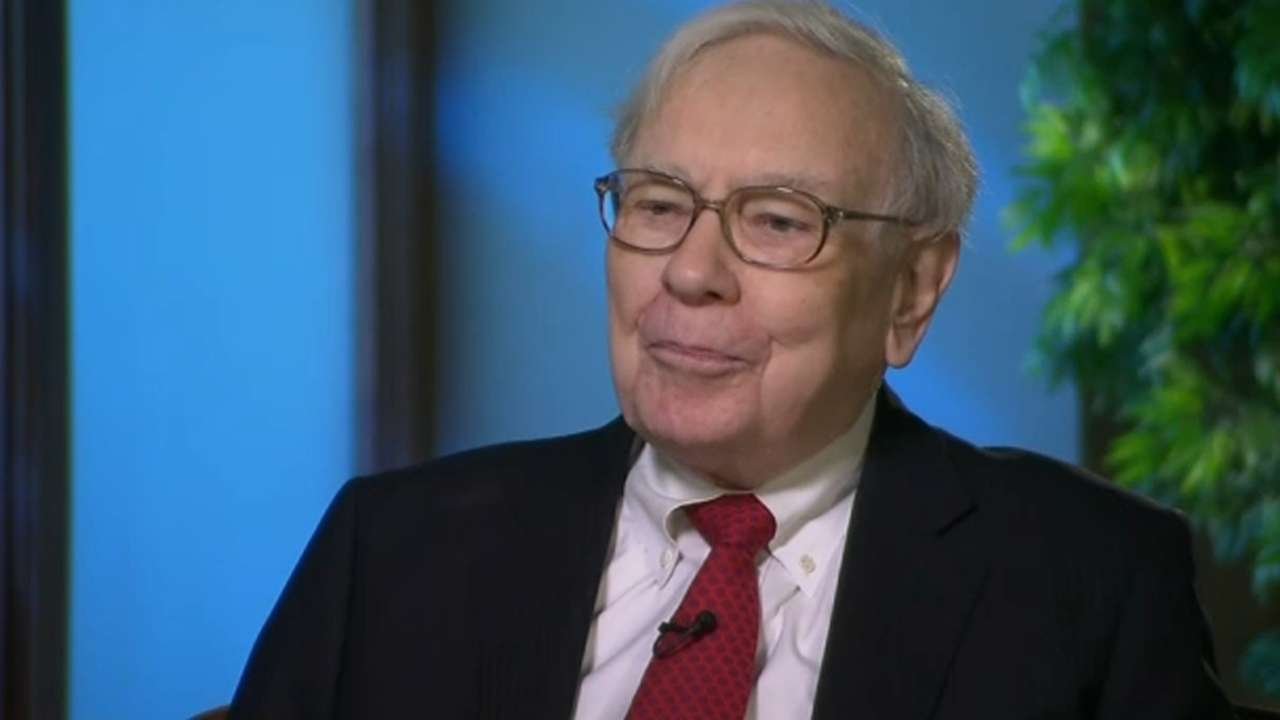
Warren Edward Buffett, born on August 30, 1930, in Omaha, Nebraska, is widely regarded as one of the greatest investors of all time. Known as the “Oracle of Omaha,” Buffett transformed a struggling textile company into Berkshire Hathaway, a multinational conglomerate worth over $1 trillion, while amassing a personal fortune and committing to give nearly all of it away. As of January 2026, with his net worth estimated at around $149 billion, Buffett ranks among the world’s richest individuals. His journey from a precocious child fascinated by numbers to a 95-year-old legend who recently stepped down as CEO marks an extraordinary era in finance.
Buffett’s early life hinted at his future genius. The second of three children, he grew up during the Great Depression with a father who was a stockbroker and later a U.S. Congressman. By age 11, Buffett had bought his first stock—three shares of Cities Service Preferred for himself and his sister. He delivered newspapers, sold gum and Coca-Cola door-to-door, and filed his first tax return at 13, deducting his bicycle as a business expense.By the time he reached his teenage years, these ventures had already brought him considerable wealth, demonstrating a natural aptitude for finance that would later characterize his professional life.
Buffett’s education had a significant impact on him. He initially enrolled at the Wharton School of the University of Pennsylvania, but later transferred to the University of Nebraska, where he completed a Bachelor of Science in Business Administration at the age of 19. Although he was not accepted into Harvard Business School, he obtained a Master’s in Economics from Columbia University in 1951. There, he studied under Benjamin Graham, a pioneer of value investing. Graham’s book, The Intelligent Investor, became a fundamental text for Buffett, teaching him to approach stock purchases with the same care as grocery shopping—only when the stocks were undervalued and offered a “margin of safety.”
Following a brief stint at his father’s brokerage and then at Graham’s firm, Buffett returned to Omaha in 1956. At the age of 25, he established Buffett Partnership Ltd., which managed funds for relatives and acquaintances. He applied Graham’s principles, focusing on companies that were undervalued but had strong financial fundamentals.
By 1965, when he took control of Berkshire Hathaway—a failing textile mill he initially bought shares in during 1962—his partnerships had outperformed the market dramatically. Buffett later called the textile purchase his “dumbest” investment, but it provided the vehicle for his masterpiece.
Under Buffett, Berkshire evolved from textiles (closed in 1985) to a holding company acquiring outstanding businesses. Key early buys included insurance giants like GEICO, which provided “float”—premiums invested before claims paid out—for compounding gains. With vice chairman Charlie Munger, who joined in 1978 and became his intellectual sparring partner until Munger’s death in 2023, Buffett shifted toward buying great companies at fair prices rather than fair companies at great prices. Iconic holdings like Coca-Cola, American Express, and later Apple exemplified this.
Berkshire’s portfolio ballooned, owning outright subsidiaries like See’s Candies, Dairy Queen, Duracell, and BNSF Railway, plus major stakes in public companies. From 1965 to 2025, Berkshire’s stock compounded at nearly 20% annually, turning a $10,000 investment into millions.Buffett’s yearly letters to shareholders became essential reading, a mix of wit, insight, and down-to-earth observations about the markets, business, and the world at large.
His personal life mirrored his Midwestern upbringing. He wed Susan Thompson in 1952, and they had three children—Susie, Howard, and Peter—before separating in 1977, though they never divorced. Susan introduced him to Astrid Menks, whom he married in 2006 after Susan passed away in 2004. Despite his considerable fortune, Buffett maintained a simple lifestyle, residing in the same Omaha home he purchased in 1958 for $31,500. He drove unassuming cars and had a fondness for Cherry Coke and McDonald’s. His salary at Berkshire stayed at $100,000 a year for many years.
His success was built on a foundation of philosophy. Buffett championed long-term thinking, famously stating, “Our favorite holding period is forever.”
He wasn’t one for the flashy stuff, holding off on tech investments until later (he regretted missing Google, but was all in on Apple). He was vocal about Wall Street’s excesses, pushed for higher taxes on the rich, and lived by a code of ethics—once stating that a reputation takes years to earn and mere moments to destroy.
His later years were defined by philanthropy. In 2006, he committed to giving away 99% of his wealth, primarily to the Bill & Melinda Gates Foundation. He co-founded the Giving Pledge in 2010 with Bill Gates, urging billionaires to give away half their fortunes. By mid-2025, donations had surpassed $60 billion, including a $6 billion contribution in June.
In May 2025, at the age of 94, Buffett declared his retirement as CEO, effective at the end of the year, and named Greg Abel as his successor.
On January 1, 2026, Abel stepped into the role, while Buffett continued as chairman. This marked the end of a six-decade period, even though Buffett promised to remain active. In conversations, he spoke highly of Abel, showing faith in Berkshire’s future—a better chance of surviving a century than most companies.
Buffett’s investment philosophy remains unchanged: Acquire businesses you comprehend, with strong competitive advantages, capable leadership, and fair valuations. Be cautious when others are overly optimistic, and optimistic when others are fearful. Read extensively, think for yourself, and allow your investments to grow over time.
With 2026, a new chapter unfolds, one without Buffett at the helm. Berkshire Hathaway sits on a mountain of cash, and the future of dividends and acquisitions is up for debate. The company also has to contend with the complexities of artificial intelligence and a constantly changing market landscape. Still, the core of Buffett’s approach—decentralization, a strong ethical foundation, and a long-term perspective—should ensure stability.
Warren Buffett’s life story embodies the best of American capitalism: humble beginnings, ambitious vision, and significant philanthropy. From a young boy tracking stocks to a wise elder stepping back at 95, his influence will be felt for years to come. As he famously remarked, “Someone’s sitting in the shade today because someone planted a tree a long time ago.” Buffett, in essence, planted a whole forest.

Digital entrepreneur and content expert I help businesses with AI, SEO and the latest tech trends. I started Silicon Valley Weekly to make complex tech concepts easy to understand and use for business growth. I know a lot about systems and help startups, entrepreneurs and brands navigate the fast-changing world of tech and online marketing.
I build strategies that use data, search optimization, content marketing and AI tools to get visibility, engagement and revenue. I love finding ways for businesses to grow increasing their presence and turning new ideas into successful businesses. My goal is to connect the technology, with practical business use so brands can succeed online.