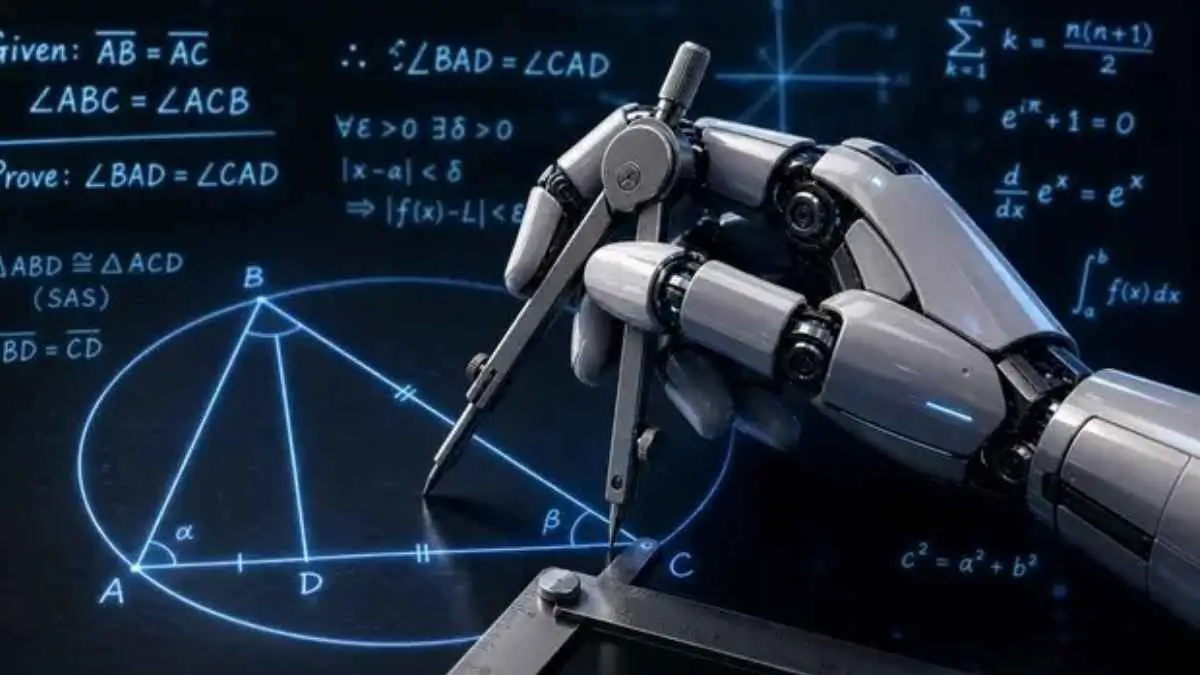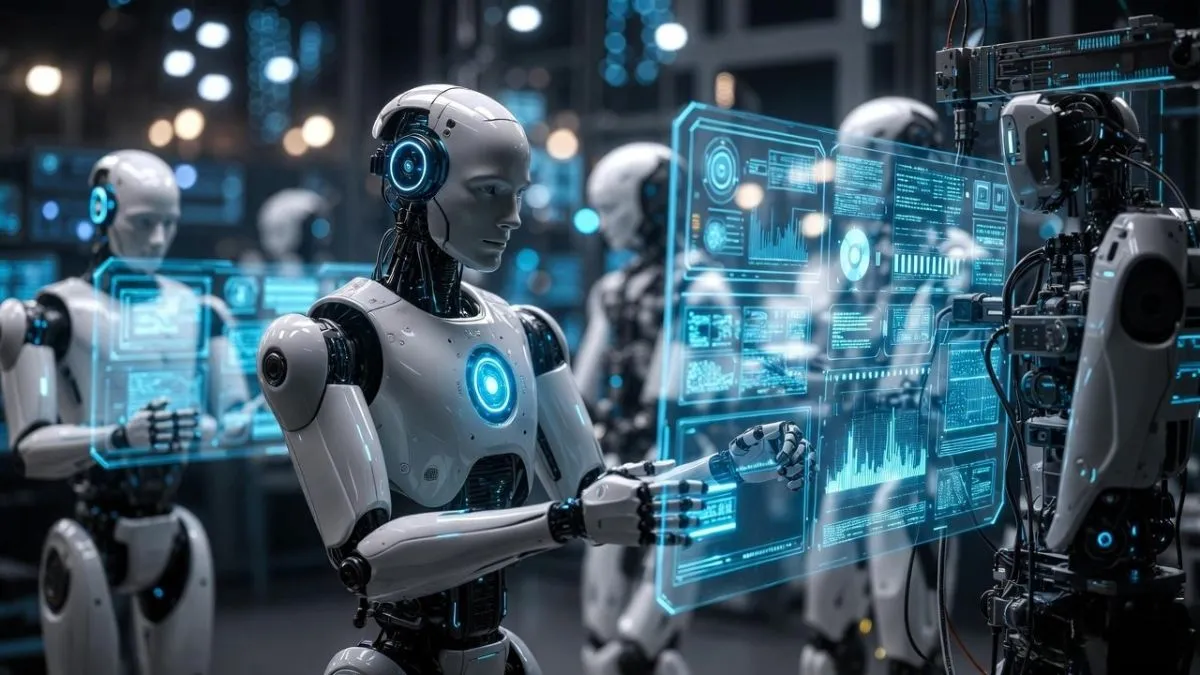
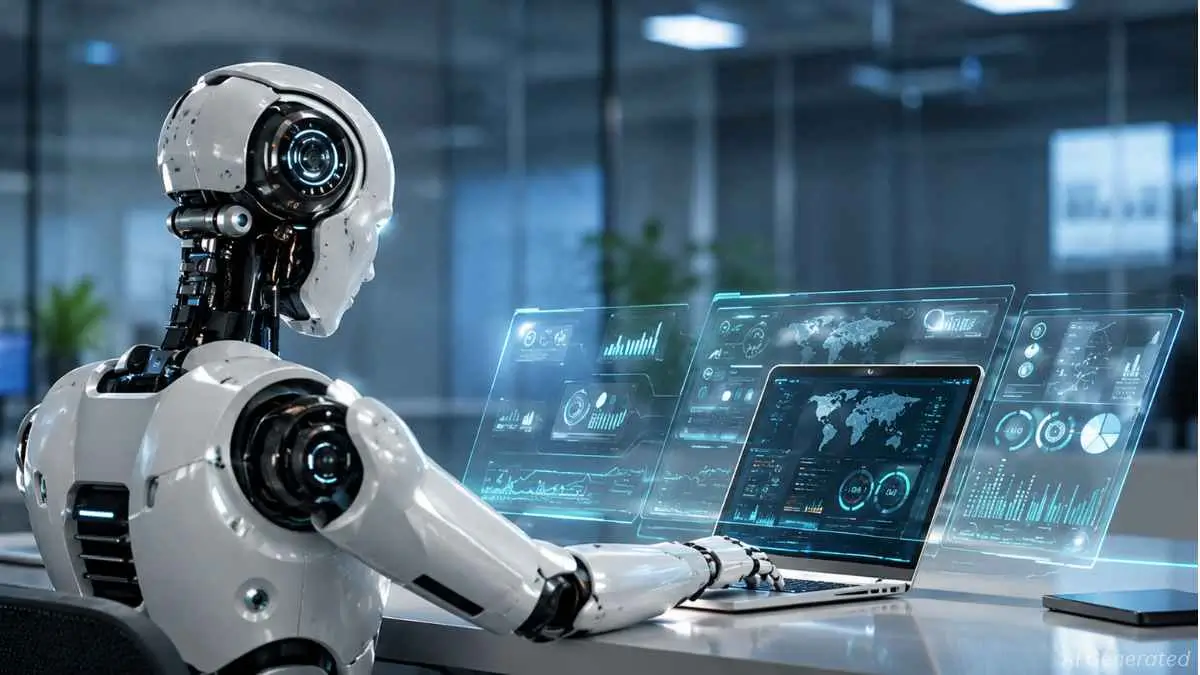
Robots have always done simple and repetitive tasks at the assembly line level. But thanks to new developments, machines can now be much more sophisticated. Such machines are capable of seeing, thinking, learning and being trained through observation of people. The question that needs to be asked is whether the use of AI in robots represents a big technological step forward for society or an over-rated technology. Actually, it can be both.
From ‘Scripted’ to ‘Learning’
Previously robots were very deterministic. If the environment did not change, they could reliably complete repeatable tasks. If however, something changed slightly (for example an object was displaced by 2cm) the robot would be unable to complete the task. The major advancement in robotics is that robots are now much more adaptive to imperfect environments.
Improvements in machine learning, computer vision and large AI models have allowed the machines to understand complex, changing environments and adapt in real time. Simulations allow robots to be trained, and can be made to fail millions of times with no risk to real objects.
Robots can also be trained through observation. Watching humans move robotic arms to perform certain tasks multiple times allows the robot to generalise. Using language models, robots can be instructed to perform a task using natural language. For example if told to tidy up the table, the robot can understand what ‘tidying up’ means in terms of specific actions. This shift from deterministic robots to training robots in robotics is arguably the biggest change in the area.
Where Changes Are Happening
Regardless of any scepticism about it, robotics technology is making great strides forward. Autonomous robots are employed in warehouses for sorting and moving objects with minimal human participation. Robotic assisted surgeries help perform surgery procedures with great accuracy. Machines in agriculture are capable of identifying certain weeds and eliminating them without resorting to any chemicals. Inspection robots operate under challenging conditions in pipes, mines and nuclear facilities.
In countries facing issues with ageing population and lack of labour force, including Japan and South Korea, robotic automation becomes an absolute necessity. Where there are fewer workers, automation based on AI technologies might even become an essential thing. Even in those countries which have enough workforce, such as India, intelligent automation starts getting implemented in industries such as logistics, precise manufacturing and agriculture.
Still a Long Way to go
Problems have been found in using robots. Although they may be effective in demonstrations, in real situations there are many problems. In real situations, compared to text problems, there are far more difficulties. If an error is made by a language model it may just be a hassle, but if it is a robot then objects (or potentially people) could be damaged. As such reliability is a major issue in robotic automation.
Must Read:
- Multimodal and Agentic AI: The Future of Machine Intelligence
- OpenAI GPT-6.2 Reviews: Mixed Reactions to the Latest AI Model
- The True Cost of AI Automation: Hidden Expenses Beyond Productivity
Hardware within robots is problematic. It is very hard to make robotic hands able to manipulate objects as effectively as humans can, with the same level of sensitivity and durability. Similarly, battery life within robots is an issue. Making very complicated machines cheaply is also a problem. Holographic robots have gained a lot of media attention and investment, however many experts believe that for many purposes, human-like robots may not be the most efficient. Many large scale projects face issues in the later stages, as although the prototype may look good, it is very difficult to make a reliable product which will work efficiently and independently for long periods of time.
Human Impact
Finally, one has to take into account the effects on humans. Although in the past eras of automation jobs have been destroyed in one sector but created in another, the rapidity and magnitude of changes of the present era may change this tendency. In spite of the fact that automation does not lead to unemployment, one has to pay much attention to whom this process is benefiting. If there will be no proper training and assistance for people who will lose their jobs because of it, the existing inequalities may even grow.
One has to pay much attention to safety, responsibility, and ethics. Who is to blame in case if a self-driving machine causes an accident? How to guarantee the protection of private data that robots may collect if they are used in people’s homes? What rules are to be established concerning the use of robots in law enforcement and war? These questions can not be decided only by engineers and companies.
Conclusion
It is highly probable that there will be change in the world due to this technology. Yet, it is not going to happen as dramatically as we could expect it to. Robots are going to be used for automated work in warehouses and hospitals. From there, robotization can proceed to agriculture and constructions. Maybe in the future robots are going to invade our houses. But this change is going to happen gradually and not all societies will experience it at the same time. It will be slower than enthusiasts expect it to be, yet faster than sceptics predict.
Eventually, it is the decisions of societies regarding the usage of this technology which are going to make it successful. Although the possibilities of the technology are numerous, the question of whether everybody will benefit from them or only a few people will depends on legislation, ethics and creativity. Thus, although artificial intelligence in robotics is a wonderful technological invention, its benefit for society depends on people controlling it and benefiting from it.

Digital entrepreneur and content expert I help businesses with AI, SEO and the latest tech trends. I started Silicon Valley Weekly to make complex tech concepts easy to understand and use for business growth. I know a lot about systems and help startups, entrepreneurs and brands navigate the fast-changing world of tech and online marketing.
I build strategies that use data, search optimization, content marketing and AI tools to get visibility, engagement and revenue. I love finding ways for businesses to grow increasing their presence and turning new ideas into successful businesses. My goal is to connect the technology, with practical business use so brands can succeed online.