A New Beginning for Health A major transformation is taking place where technology and human well-being meet. People today aren’t limited to just a handful of occasions throughout the year when they can consult physicians to find out about their health and condition their minds. They’re using their smartphones, wearable devices, and launching mobile applications to regain control of their wellness in many ways that were only dreamt of in the recent times.
Digital wellness has become one of the most impactful fields of the global economy which includes mental health apps, fitness trackers, sleep monitors meditation apps nutrition services, etc. It is not just a fashion. It marks a radical change in the way society, in general, looks at, achieves, and keeps one health. What the Stats Reveal
Growing of digital wellness industry is nothing short of incredible. It already has a value of several hundred billion dollars across the world as the industry is growing at an increasing pace with a consistently higher compound annual rate of return compared to that of healthcare more generally. Apart from that, it has drawn the interest of investors, startups, and health systems besides consumers. Just mental health and meditation apps worldwide have been downloaded in the hundreds of millions and in addition, the revenue stream created annually by the wearable fitness tech is increasing every year in the billions.
Besides that, most companies in all fields today also offer employees, their wellness programs by integrating digital tools, which are now the norm. Venture capitals are pouring money into the arena with the record-breaking figures for digital health startups. The figures show that this is not just a whim; people are seeking digital wellness through accessible, personalized, and continuous tools and the market is not only catching up but also speeding ahead.
Digital Wellness Industry’s Rapid Growth Factors There are several big reasons that come together to fuel the digital wellness industry’s expansion. The worldwide health crisis has been one of those biggest catalysts that no other could have been at the same level. A lot of people had become overly reliant on their social and support systems for physical health and mental health, which was taken away. When gyms were shut down, the waiting time for mental health services was extended and people’s loneliness and separation were leading to an increase in mental health issues which pushed them to use digital health services. And that crisis created a deep-rooted shift in user behavior where those people who had discovered digital meditating through apps or digital fitness classes during the pandemic lockdown periods usually have been using those services regularly.
At the same time, the widespread use of smartphones, and wearables at relatively cheap prices have given even poorer segments of the population the opportunity to access health technologies. Health problems, Mostly chronic ones have also become more of an economic issue as the costs of health treatment have gotten so high that people who get it are often faced with financial ruin which is equally affecting governments and healthcare systems. That being the case, there’s a powerful argument here for digital health tools that offer affordable solutions.
Digital health is a growing field and among all these sectors, mental health has become a major topic of discussion and interest. A huge factor has been the destigmatization of mental health, which has resulted in an increased demand for mental health and self-care services. Companies that offer services like cognitive behavior therapy exercises, mood check, deep breathing guidance, and crisis support has gained more users. Apps like Calm and Headspace that started out as meditation platforms have become complete well-being hubs with features like insomnia therapy, tools for coping with anxiety, and professional team-up initiatives. Newer, therapist-integrated platforms have even further revolutionized the market by linking their users to professional therapists and psychiatrists via a secure virtual communication channel. That mental health and physical health are inseparable was a realization which helped the industry gain the spotlight and not the side line.
Wearable technology, such as today’s fitness trackers, enables regular people to become data scientists by tracking the body’s reactions all the day, from heart rate to blood ox levels and even stress levels during different sleep phases. Devices like the Apple Watch Fitbit WHOOP, and Oura Ring have gone way past step trackers to providing genuine deep-body insights. This change has led to the popularity of ‘the quantified self’ concept, a mindset of relying on a flow of your data to better understand your physical and psychological needs train restore eat sleep, and manage work and life stress. Initially, only elite athletes and serious tinkerers were into it. But now, quantified health is a trend, with over a couple of hundred millions of customers using the technology daily and having the possibility to understand their body’s condition via immediate readings of various parameters. Also, manufacturers are teaming up with health care and academic organizations to see if consumer data is clinically useful and where the line of lifestyle tech products meets medical devices is still to define.
Perhaps one of the first obvious changes people noticed the wellness evolution in is the digitization of fitness. From the fitness-on-the go apps, that help you train wherever and whenever without an instructor, AI-fitted personal training apps or fitness instructors delivering virtual classes via Zoom, even the gym equipment, such as the Peloton bike, that is a digital device, you can see how the relationship between user and physical fitness has evolved. The home gym now is rather a hub where you receive fitness programs, join a network of exercisers, and participate remotely. It is no longer a piece of dust covered equipment in the spare room but an entire connected fitness system that gives not less than a pro trainer, if you will. Really one can learn and be trained via apps from the convenience of their home allows for such disciplines as weights yoga boxing, and pilates to be easily offered by a coach to individuals in the countryside or who are financially challenged without being restricted by their environment or financial situation. Fitness gamification, badges for achievements, social challenges, rankings and streaking tracking elements have brought to the surface motivational psychology tactics which keep the users engaged more and for a longer time than conventional gym programs would.
Cultural norms surrounding sleep have changed in the wake of a digital wellness era. It was once regarded as the passive part of life that one was able to trade for other activities. Now Though sleep has been repositioned as both a performance and a wellness variable that directly affects our bodies and minds. With apps such as Sleep Cycle and through various digital devices embedded with sleep-tracking features and heart rate variability sensors, individuals are being given detailed sleep analytics on various aspects.
Awareness of how sleep affects immune functioning, emotional regulation, metabolic health, and cognitive performance has resulted in sleep optimization becoming a major point of interest for people who take health very seriously. Alongside these major categories, several product lines, including white noise machines, blue-light-blocking glasses, smart mattresses, and chronotherapy programmes, have sprouted and flourished because of the new awareness of the role of sleep. In the heart of all the innovation and change, digital platforms continue to play a central role by collecting data and providing advice to large numbers of users.
Consumption and Nutrition in the Digital Era Gone are the days if all our nutrition needs were addressed through calorie-counting apps. The new age of nutrition technology is represented by platforms that combine services like gut microbiome testing, continuous glucose monitoring, AI-generated meal planning, and one-on one dietary coaching. Apps like MyFitnessPal, Cronometer, and Noom have led many to begin the journey of tracking their macronutrients and the understanding of how their choices of what to eat affect their energy levels.
The newest ones on the market go in the direction of deep personalization, accepting In reality dietary choices and needs Really vary among individuals and are based on the factors of genetics lifestyle gut microbiota, and metabolic health among others. The trend of continuous glucose monitors originally developed for diabetes but now gaining popularity among wellness-oriented consumers marks this shift. It indicates the direction the nutritional field intends to take, going beyond generalized nutrition advice to real-time, biologically specific guidance. Wellness at Work and Employee Wellness
A new kind of work-life environment is shaping up where companies take on not only the employees’ responsibility of staying fit but also their emotional wellbeing a lot. Companies are coming up with employee wellness programs that can address the physical and emotional aspects together because of realizing that the two are closely related. They see burnout, absenteeism, and lower spirits as the things directly causing the productivity loss and the increase in costs, Because of this, the best decision for making a profit would be that a company invests in improving the welfare of its workforce.
By making use of digital health platforms, it has become feasible for a company to implement a whole range of wellness initiatives that are scalable to the organization and its employees, such as mental health apps, virtual fitness classes, mindfulness programs, financial wellness resources, and sleep aids. Nowadays, top employers have employee fitness packages which include services by platforms such as Calm, Headspace for Work, and Lyra Health, and they are considered as part of standard employee compensation packages. The adaptability and the wide reach of digital solutions, In particular, have allowed wellness benefits to be more fair and open up a whole new level of access to remote and shift workers who traditionally couldn’t use workplace wellbeing programs because of their nature.
The digital wellness sector has grown at an impressive rate, not only attracting many players, but also sparking some debate. For instance, privacy skeptics have emphasized that the type of information collected on users like their health status or how often they exercise and the risks of it leaking if not properly protected are serious issues to be considered. Another issue is that of treatment effectiveness – several wellness apps can be effective when tested, but the body of work is still quite small and not enough to validate the claims.
There are issues around equity: one of the main selling points of such digital solutions is their ability to bridge the accessibility gap but the best tools in this field usually end up being available to people who are better educated, wealthier, and who are already familiar with health concepts. On one side, you have the device screen that has long been a source of stress at work and home, causing a loss of concentration and disruption of sleep, being now tied to techniques of relaxation, calming of nerves, and rejuvenation on the other. A major challenge in the industry right now is acknowledging Truth is the same devices that people use for the very reason of disconnecting are still the ones that people get overly attached to. It is getting more common with time for people to try to disconnect but then become very attached to technology. One way or another, the industry is only just recognizing and taking this paradox quite seriously.
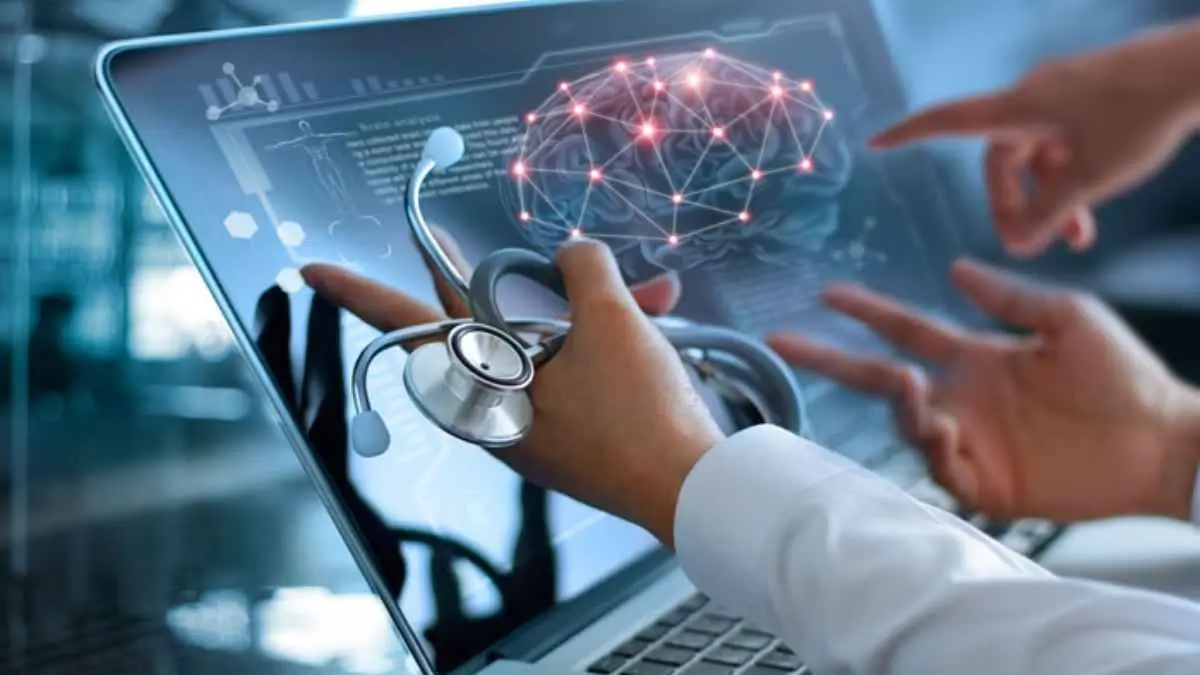
In a bid to bring out personalized and responsive features that earlier versions of apps couldn’t match, artificial intelligence is steadily becoming the major support for the new generation of digital wellness products.To provide personalized care, machine learning models that are trained on huge datasets of health data and behavioral patterns can be used to spot trends – like in sleep patterns, tracking changes of one’s mood, activity levels, etc. – and then the apps themselves can reveal suggestions and information that are a perfect fit to the person receiving them. These kinds of mental health virtual assistants based on AI are also being created as ways for people to get instant help through their conversation without having to worry about waiting. One of the health technology applications that have not developed too much yet but have a tremendous capacity to do so is the predictive type one which allows for the wellness apps to detect a change in a user’s health or their state of mind even if it isn’t visible yet or hasn’t reached the point of a crisis. With the help of the ever-increased capabilities of AI, the differences between apps that help manage health and devices that provide real clinical support will only be minimized further.
We can see from the way the digital wellness industry is performing so far that it is unlikely to show signs of slowing down. Its development pattern has indicated that the technologies that are developed at this stage and the habits that people get into using those will form the base of how the future generation will see health. Integrating digital wellness tools into the delivery of primary care, insurances becoming more willing to cover digital therapeutic products, and combining household-type gadgets with the level of medical-grade monitoring all point towards a time when the lines distinguishing prevention and treatment will have virtually faded or disappeared.
Once the effectiveness of the digital tools and the regulatory system will have been thoroughly tested and the quality and safety assured, then the industry would become quite a well-established one and one of the most important fields of health besides medicine. What this presents to us is not just a possibility for the market to grow, but it is really an opportunity that one could hardly have imagined before: a scenario in which the means for a happy healthy life are made available for virtually every person on the planet rather than having them only be a luxury for a very narrow segment of society like health professionals or those wealthy enough that they don’t need to worry about the availability of medical treatment!

Digital entrepreneur and content expert I help businesses with AI, SEO and the latest tech trends. I started Silicon Valley Weekly to make complex tech concepts easy to understand and use for business growth. I know a lot about systems and help startups, entrepreneurs and brands navigate the fast-changing world of tech and online marketing.
I build strategies that use data, search optimization, content marketing and AI tools to get visibility, engagement and revenue. I love finding ways for businesses to grow increasing their presence and turning new ideas into successful businesses. My goal is to connect the technology, with practical business use so brands can succeed online.