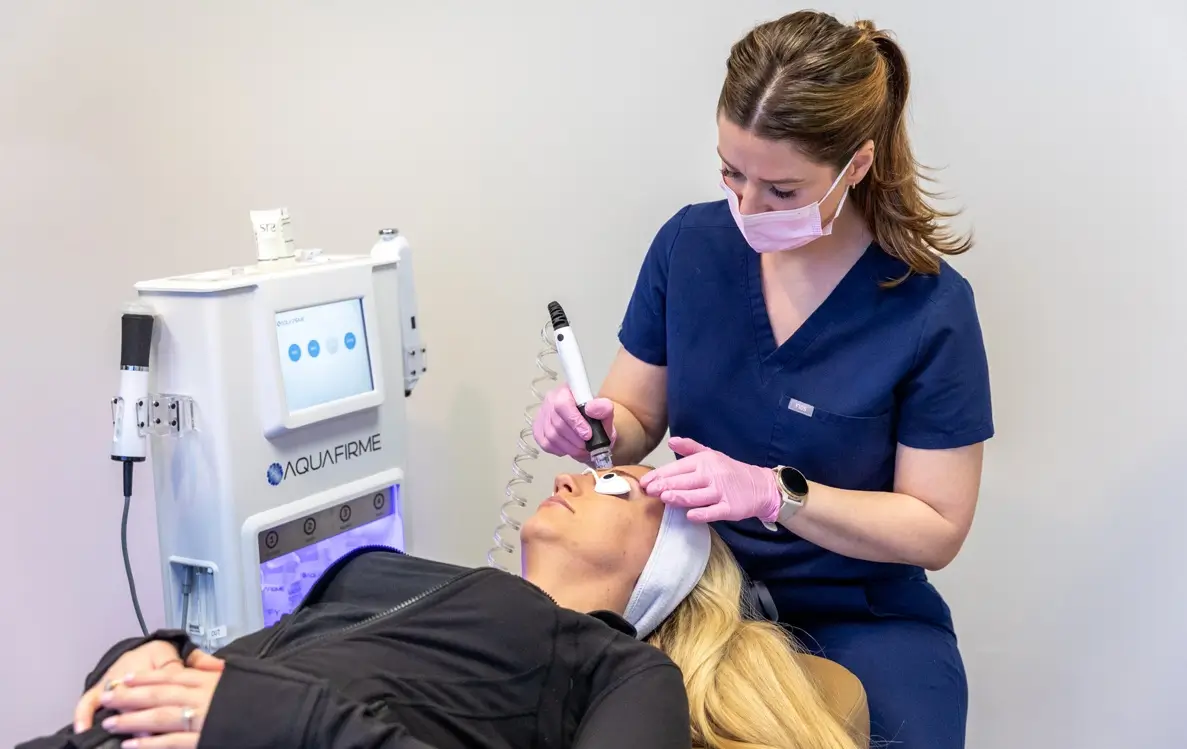

What is a facial treatment?
Facials are one of the most popular and time-tested skin treatments available today and for good reason. A facial is not just one thing – it’s a combination of treatments that may include steam, exfoliation, extraction, creams, masks, peels and a massage. Its main purpose is to cleanse, exfoliate and nourish your skin. It can also help to clear up congested skin and get rid of excess oil and dry flaky skin. A facial is not just a luxury treat , but a complete skin health treatment that can be tailored to meet the needs of each individual person , making it suitable for virtually every skin type and age group .
Facial Types
Not all facials are created equal, and the secret to getting the best results is finding the right one for your skin. The HydraFacial is a popular treatment that combines cleansing, exfoliation, extraction and hydration in one treatment. Many anti-aging treatments contain retinol, peptides, and antioxidants to reduce the visible signs of aging. Microneedling facials, which use short, very thin needles that puncture the skin to boost collagen, may actually offer some proven benefits. LED light therapy facials are painless, non-invasive, and can be used to treat a variety of skin concerns including redness, inflammation, and uneven skin tone. Chemical peels, hydrating facials and deep-cleansing facials are the most frequently recommended options, each targeting a specific concern.
The Benefits of Getting a Facial
Regular facials can do more than just make your skin glow. Facials done by trained professionals using safe, science-backed methods can improve skin hydration, reduce breakouts, increase collagen production and improve tone and texture. As you age your collagen production decreases, resulting in fine lines and sagging. Facials help stimulate collagen and improve skin tone. Hyaluronic acid, a substance that holds water in the skin and reduces flakiness, can be part of hydrating facials. Aside from the physical benefits, the massage element of a facial provides relaxation, stress reduction and improved blood circulation, so it’s just as good for the mind as it is for the skin.
How Often Should You Get a Facial?
Frequency is the key to getting the most out of your facial treatments. The skin naturally renews itself about every 28 to 40 days, which is why most people are advised to have a facial approximately every 4 to 6 weeks. This is in accordance with your skin’s turnover cycle so each treatment builds on the last. If you have acne, your aesthetician may recommend more frequent facials, perhaps every two to three weeks until your breakouts are under control. If you have a special event coming up, such as a wedding or photo shoot, schedule your last facial five to seven days before the event and don’t do your first treatment right before something important, so your skin has time to adjust.
Aftercare: What to Do After a Facial
What you do after a facial is just as important as the treatment. Your skin will be more receptive to hydration but also more sensitive right after your facial. Keep your routine simple and soothing during this time. Use a mild, non-foaming cleanser followed by a simple moisturizer. For the first 2-3 days, avoid retinoids, exfoliating acids, scrubs and at-home devices, so you don’t overload freshly treated skin. You should also avoid sun exposure for at least a week after a facial treatment so that you don’t irritate your skin. UV rays can damage fresh exfoliated skin, so if you’re heading outside, be sure to protect your skin with sunscreen. The immediate effects of a facial usually last for five to seven days, leaving the skin looking and feeling hydrated, plump and radiant.
Who Should — and Shouldn’t — Get a Facial?
Facials are generally safe and good for most people but there are some precautions to keep in mind. The best treatment experience depends on your skin type and skin conditions. A Cosmetic Specialist will work with you to make sure your goals are met. Your facial is tailored to your skin type and needs and can address issues such as acne, dry skin, aging skin, discoloration and dull skin. But those with very sensitive skin, active rosacea, open wounds or certain skin conditions should always consult a dermatologist before booking any kind of treatment. With all the many various types of facial treatments there is a need to differentiate as what works beautifully on one person can aggravate another. If you’re ever unsure, be sure to consult a licensed aesthetician or dermatologist who can look at your skin and tell you what the best treatment is for you.
Summary.
Facials are not just a luxury for a spa day; they are a great investment for the health and beauty of your skin for the long haul. Facials are designed to treat a variety of skin concerns – from acne to aging, to dryness and dullness – to give you the glowing skin you’ve been wanting. The key is to choose the right type, stick to a regular routine and follow the proper aftercare instructions to get the most benefits and keep them. When combined with professional advice and a good at-home routine to complement your treatments, regular facials can be one of the most effective tools in your skincare arsenal.

Digital entrepreneur and content expert I help businesses with AI, SEO and the latest tech trends. I started Silicon Valley Weekly to make complex tech concepts easy to understand and use for business growth. I know a lot about systems and help startups, entrepreneurs and brands navigate the fast-changing world of tech and online marketing.
I build strategies that use data, search optimization, content marketing and AI tools to get visibility, engagement and revenue. I love finding ways for businesses to grow increasing their presence and turning new ideas into successful businesses. My goal is to connect the technology, with practical business use so brands can succeed online.