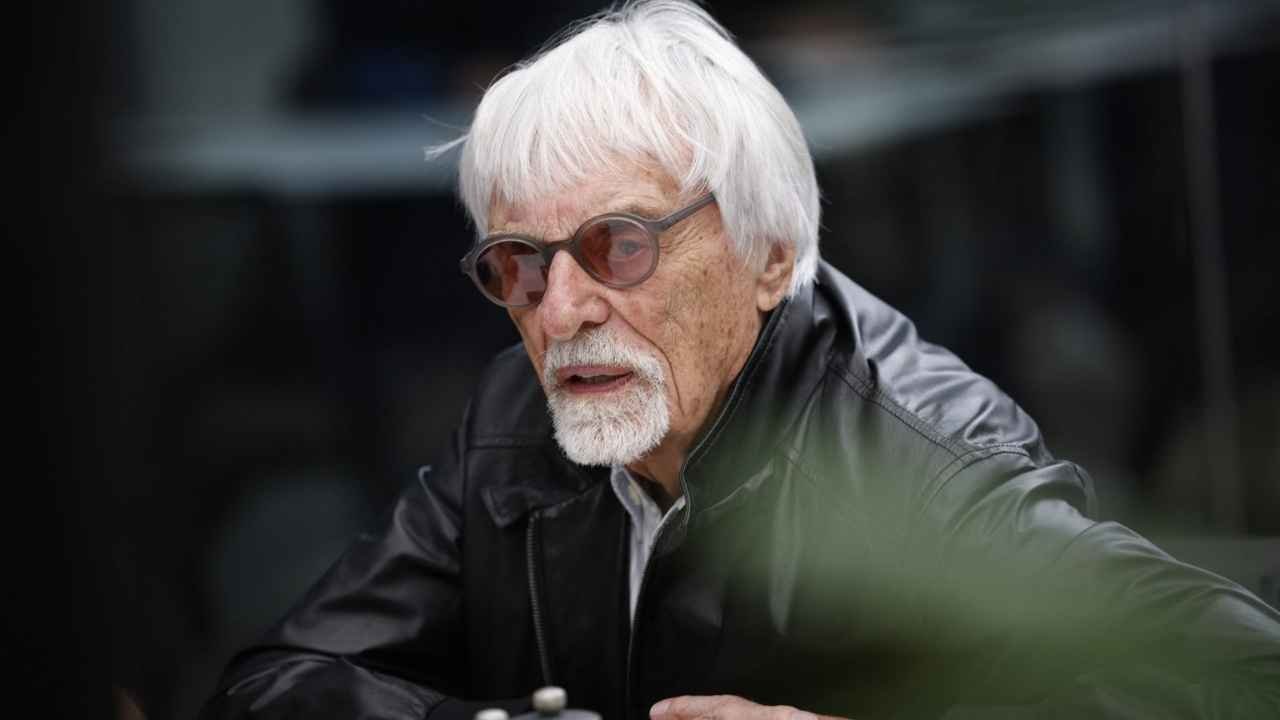
On October 28, 1930, in Suffolk, England, Bernard Charles Ecclestone, better known as Bernie Ecclestone, was born. Ecclestone grew up in a working-class family, so his early years were very different from the glamorous world of motorsport that he would later rule. When he was a child, his family moved to London, where he became interested in mechanics and business.
Ecclestone dropped out of school at 16 and started working in the gas industry. Later, he started his own business. At first, he was successful at trading motorcycles by buying and selling spare parts. This drive to start businesses would be a key part of his career. His early business ventures taught him how to negotiate, take risks, and manage money—skills that would later help him turn Formula One into a global powerhouse.
Bernie Ecclestone Biography
| Category | Details |
|---|---|
| Full Name | Bernard Charles Ecclestone |
| Date of Birth | 28 October 1930 (Age 95 as of 2026) |
| Place of Birth | St Peter South Elmham, Suffolk, England |
| Nationality | British |
| Occupations | Business magnate, motorsport executive, former racing driver |
| Years Active | 1950–present |
| Known For | Founder & CEO of Formula One Group (1987–2017) |
| Early Career | Co-founded motorcycle parts company; briefly raced in Formula One (1958) |
| Major Achievements | – Bought Brabham team (1971) – Led FOCA (Formula One Constructors Association) – Negotiated TV rights & commercial deals – Turned F1 into a multi-billion-dollar enterprise |
| Net Worth (2026) | Approx. $2.6 billion (Forbes) |
| Spouses | – Ivy Bamford (m. 1952; div. 1967) – Slavica Radić (m. 1985; div. 2009) – Fabiana Flosi (m. 2012–present) |
| Children | 4 (including Tamara and Petra Ecclestone) |
| Formula One Career | Entered 1958 Monaco GP & British GP (did not start either race) |
| End of F1 Role | Stepped down in 2017 after Liberty Media acquired Formula One |
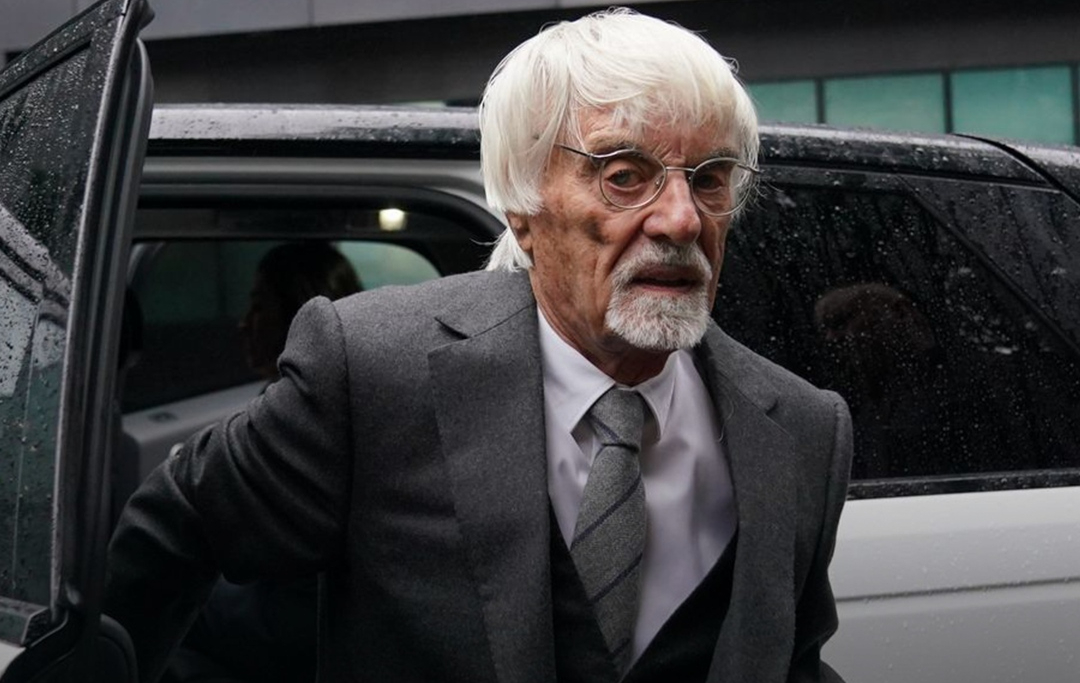
| Controversies | – Criticized for authoritarian management style – Faced fraud trial in 2023 for allegedly hiding £400 million in a trust (pleaded not guilty) |
| Legacy | Dubbed “F1 Supremo”; credited with commercializing Formula One globally |
Key Insights
- Transformation of F1: Ecclestone centralized control, negotiated lucrative TV rights, and made Formula One one of the most profitable sports worldwide.
- Business Strategy: His approach was often ruthless, but it ensured F1’s survival and growth during the late 20th century.
- Controversies: His career has been shadowed by legal disputes, tax investigations, and criticism of his outspoken remarks.
- Personal Life: Despite divorces and controversies, Ecclestone remains a prominent figure in motorsport and business circles.
Getting into motorsport
Ecclestone got into motorsports in the late 1940s and early 1950s when he started racing motorcycles and then cars. Even though his racing career was short, it sparked a lifelong love of the sport. He quickly figured out that he was better at business than driving.
Ecclestone became a manager for drivers in the 1950s. One of them was Stuart Lewis-Evans, a promising British racer. This job gave him a look at how Formula One really works. But tragedy struck when Lewis-Evans died in a crash in 1958, which made Ecclestone stop racing for a while.
Become a Team Owner
In the 1970s, Ecclestone came back to Formula One, this time as a team owner. He bought the Brabham Formula One team in 1971. Brabham became very competitive under his leadership, winning many championships and becoming a major player in the sport.
During his time at Brabham, he showed that he could combine new technology with smart planning. He worked with the best engineers and drivers to make sure the team stayed ahead of the curve in racing technology. His role as a team owner was more important because it gave him power over the larger business of Formula One.
Changing Formula One for the better
Bernie Ecclestone’s biggest contribution to motorsport wasn’t running a team; it was turning Formula One into a global business. The sport didn’t have a central organization in the 1970s, and it didn’t make much money.
Ecclestone was a big part of starting the Formula One Constructors’ Association (FOCA), which looked out for the interests of the teams. He negotiated race contracts and TV deals through FOCA, which brought in more money for the sport than ever before.
One of his most groundbreaking ideas was to put all TV rights in one place. Ecclestone made sure that races were shown all over the world by controlling the broadcasts. This made Formula One a global event. This move made the sport much more popular and valuable in terms of money.
Bernie Ecclestone’s net worth in 2026 is estimated at around $2.6 billion, according to Forbes, making him one of the wealthiest figures in motorsport history. His fortune comes primarily from decades of control over Formula One’s commercial rights.
Bernie Ecclestone Net Worth Overview (2026)
| Aspect | Details |
|---|---|
| Estimated Net Worth | $2.6 billion (Forbes, March 2026) |
| Range of Estimates | Other sources place it between $2.4–$2.5 billion depending on asset valuation |
| Primary Wealth Source | Control of Formula One’s commercial rights, TV deals, sponsorships, and eventual sale of F1 to Liberty Media for $4.4 billion in 2017 |
| Other Assets | Investments, luxury properties, and high-value assets accumulated over decades |
| Recent Legal Issues | Facing trial for alleged fraud related to hiding £400 million in a trust; pleaded not guilty |
| Global Ranking | Ranked #1560 on Forbes Billionaires List (March 2026) |
Key Insights
- Formula One Empire: Ecclestone’s wealth is tied almost entirely to his transformation of Formula One into a global commercial powerhouse.
- Sale to Liberty Media: The 2017 sale of F1 for $4.4 billion was a pivotal moment, cementing his billionaire status.
- Fluctuating Estimates: While Forbes lists him at $2.6B, other outlets suggest slightly lower figures (~$2.4–$2.5B), reflecting differences in asset valuation.
- Legal Risks: His ongoing fraud trial could impact his financial standing, though his fortune remains substantial.
The Business Empire
Ecclestone’s business sense helped him start the very profitable Formula One Group. He had a lot of power in global sports because he controlled the sport’s commercial rights for decades.
Formula One grew into new markets in Asia, the Middle East, and beyond while he was in charge. He brought in night races, fancy hospitality packages, and big-name sponsorship deals that made the sport look better.
His skill at getting race promoters and broadcasters to sign big contracts made sure that he made a lot of money. Thanks to Ecclestone’s vision and leadership, Formula One had grown into a multi-billion dollar business by the early 21st century.
Controversies and Leadership Style
People knew Bernie Ecclestone for his sharp wit, direct way of speaking, and sometimes controversial comments. He took a hands-on approach, making important decisions himself and keeping a close eye on the sport’s business side.
But there were some problems with his career. People didn’t like the way he ran the government, the things he said about politics and social issues, and the legal problems he had. Even with all of these problems, it was clear that he had a big impact on Formula One.
Ecclestone’s ability to handle difficult negotiations and keep control of a sport that was growing quickly showed that he was strong and smart.
Change and Legacy
Liberty Media bought Formula One in 2017, and Ecclestone stepped down as the sport’s CEO. Ecclestone had been the face and driving force behind Formula One for more than 40 years, so this was the end of an era.
Even though he doesn’t have any more executive power, his legacy still affects the sport. His work has made Formula One what it is today: a global sport with a strong financial structure and a lot of commercial success.
Life Outside of Work
The media has often been interested in Bernie Ecclestone’s personal life. He has been married several times and has kids, including Tamara Ecclestone and Petra Ecclestone, who are famous socialites and businesswomen.
Ecclestone is known for living a fairly simple life, even though he is very rich and powerful. He has stayed in the public eye by often sharing his thoughts on current events and the state of Formula One.
Effect on Motorsports Around the World
Ecclestone’s influence goes beyond Formula One. He showed how to make sports more global and profitable. His strategies have had an impact on other big sports groups, like international tournaments and football leagues.
Ecclestone helped change what a modern sport could do by putting more emphasis on TV coverage, sponsorship, and global growth. He made Formula One into more than just a race; it became a show that millions of people around the world watched.
People are critical and times are changing.
Many people agree that Ecclestone did a lot for the sport, but some critics say that his focus on profits over fans was a mistake. Some people have complained about high ticket prices and the fact that some areas are hard to get to.
Formula One has changed a lot in the last few years because of new management. They are now more focused on digital engagement and fan interaction. These changes show how modern audiences’ expectations are changing, which Ecclestone’s traditional approach didn’t always meet.
Conclusion: A Legacy That Will Last
Bernie Ecclestone is still one of the most important people in motorsport history. His journey from small beginnings to building a global sports empire shows that he has vision, determination, and business sense.
He didn’t just take part in Formula One; he changed it completely. Ecclestone made sure that his legacy would last long after he was gone by making the sport a global phenomenon. People may love or hate him, but there is no denying that he played a big part in making modern Formula One what it is today.
FAQs
1. Who is Bernie Ecclestone?
Bernie Ecclestone is a British business magnate best known for transforming Formula One into a global commercial sport.
2. What is Bernie Ecclestone famous for?
He is famous for controlling the commercial rights of Formula One and expanding its global reach.
3. When did Bernie Ecclestone leave Formula One?
He stepped down in 2017 after Liberty Media acquired Formula One.
4. What team did Bernie Ecclestone own?
He owned the Brabham Formula One team in the 1970s and 1980s.
5. What is Bernie Ecclestone’s legacy?
His legacy lies in turning Formula One into a multi-billion-dollar global entertainment and sports industry.

Digital entrepreneur and content expert I help businesses with AI, SEO and the latest tech trends. I started Silicon Valley Weekly to make complex tech concepts easy to understand and use for business growth. I know a lot about systems and help startups, entrepreneurs and brands navigate the fast-changing world of tech and online marketing.
I build strategies that use data, search optimization, content marketing and AI tools to get visibility, engagement and revenue. I love finding ways for businesses to grow increasing their presence and turning new ideas into successful businesses. My goal is to connect the technology, with practical business use so brands can succeed online.