
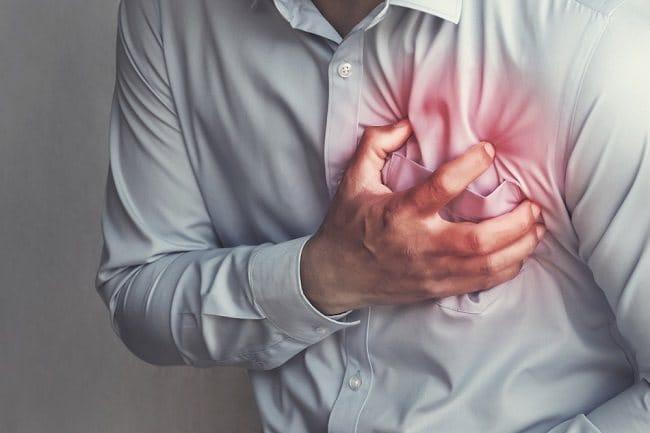
If you are aware of the gejala penyakit jantung, then you surely agree that it is one of the most dreadful health conditions one might contend with. Preventing heart disease and other cardiovascular disease means making smart choices now that will pay off the rest of your life.
While it might feel painful at the moment, this is just what you need to change your life for the better. Lack of exercise or poor diet and other unhealthy habits can take their toll over the years. However, anyone at any age can take simple steps to keep their heart healthy during each decades of life. Wondering how? Let’s find out more below.
Choose A Healthy Eating Plan
Regardless of your age and sex, you can always benefit from a healthy diet and adequate physical activity. After all, the food you eat has the potential to decrease your risk of heart disease and stroke. Settle for foods low in saturated fat, sodium, and trans-fat. As part of a healthy diet, eat plenty of fruits and vegetables, fiber-rich whole grains, fish (preferably oily fish) at least twice weekly, nuts, legumes, and seeds.
It’s also essential that you go for lower-fat dairy products and skinless poultry. If possible, limit sugar-sweetened beverages and red meat. For those who love eating meat, then it pays off to go for the leanest cuts available.
When it comes to work out, you need to ensure that you are physically active each week to reduce gejala penyakit jantung. You can slowly work up to at least 2.5 hours of moderate-intensity aerobic physical activity. Every week or 1 hour and 15 minutes of vigorous intensity aerobic physical activity.
In Your 20s
Having a clear insight into your heart early puts you far ahead of the curve. The things you do or don’t do can clearly impact how long and how well you are going to live. In your 20s, you should find a healthcare professional and have regular wellness exams to help keep symptoms of heart disease at bay.
Establishing a relationship with a physician means you can start health screening now. Talk to your medical practitioner about your diet, lifestyle, and any other concerns. Ensure you have them regularly check your blood pressure, cholesterol, heart rate, blood sugar, and body mass index.
If you smoke, it’s time to call it quits. Even exposure to secondhand smoke poses a serious health hazard to your heart. Nonsmokers are up to 30% more likely to develop heart disease or lung cancer from secondhand smoke exposure.