

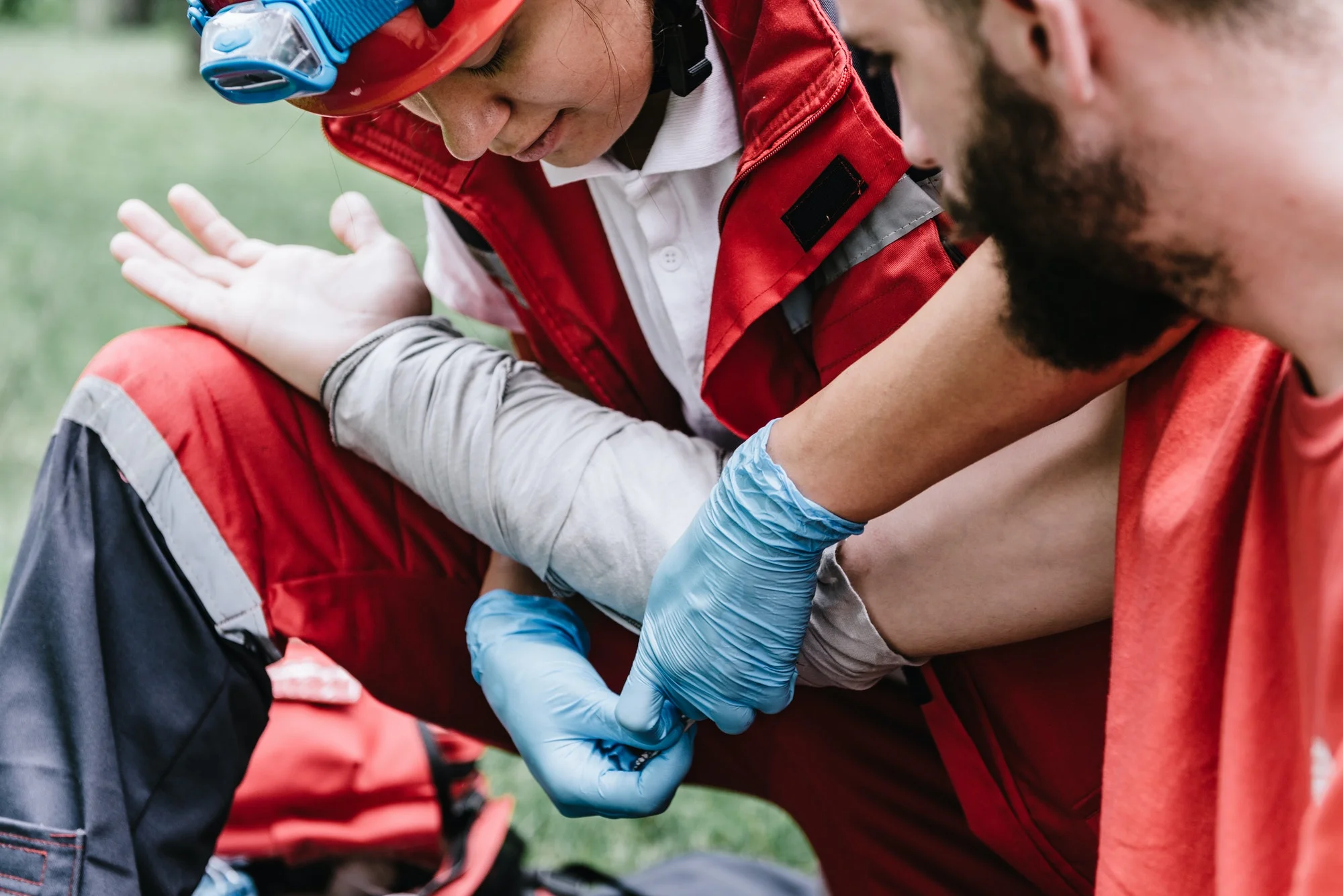
Occupational first aid training offers employees with the vital skills needed to manage injuries and emergencies in the workplace, tailored to address industry-specific hazards. This form of training is essential for guaranteeing a safe work environment when accidents happen.
The thing with this training is that it also emphasizes compliance with workplace safety standards, more so in high-risk industries. By prioritizing occupational first aid training, companies can better manage incidents, protect employees, and minimize the impact of workplace accidents.
So, what happens during a normal occupational first aid training? Well, the training equips participants with basic first aid skills important for responding to different emergencies. These include assessing a scene, offering immediate care, and stabilizing the injured until medical professionals arrive.
One of the most important skills employees gain from occupational first aid training is CPR training and emergency response. Actually, first aid in the workplace courses offer practical CPR training to help employees manage life-threatening situations like cardiac arrest. In some situations, courses may also include the use of an automated external defibrillator (AED), a device that can help in restarting a person’s heart during a cardiac event.
Aside from CPR training, employees also learn about injury management and treatment techniques. This type of training focuses on addressing specific types of injuries that might happen in a workplace setting. The training includes learning to assess and treat fractures, handle wounds and bleeding, and respond to head or spinal injuries.
So, who need to undergo occupational first aid training? Well, this training is especially relevant in high-risk industries, such as mining, construction, and manufacturing where accidents and injuries are rampant. People working in these industries contend, with risks from machinery, falls, or exposure to hazardous materials, making first aid training vital for ensuring immediate response and care.
Things are not any different for those in general work environments, such as offices since occupational first aid training has its benefits. For example, slip falls and sudden health emergencies like choking or fainting can occur without warning. Having trained first aiders on site provides a layer of safety and readiness that benefits the entire workforce.
Now that you have a slight insight into what occupational first aid training entails, why not consider making it part of your organization’s programme? The more first aiders you have at your workplace, the easier it becomes to save life in case of an emergency.
