
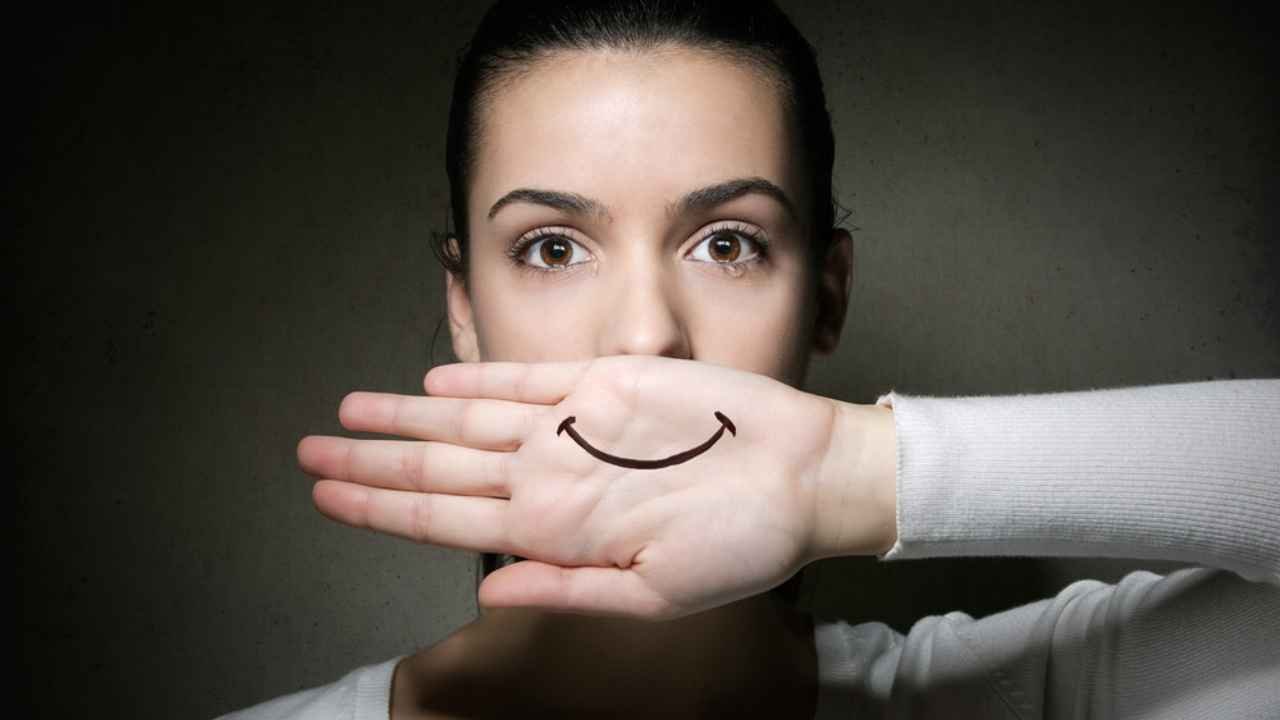
In a world where people are obsessed with work culture, social media perfection, and never-ending ways to improve themselves, real happiness seems like a moving target. We chase after promotions, likes, and the newest gadgets, but in the end, we’re more tired than ever. But what if the key isn’t to do more, but to accept less? The unspoken truth about happiness is that it comes from accepting things as they are, which psychologists and ancient philosophers have both written about. However, few people talk about it because of all the noise about productivity porn. This isn’t giving up; it’s a conscious decision to stop fighting reality and make room for happiness.
Why We Don’t See the Obvious
We are bombarded with the illusion of control in modern life. Apps keep track of our steps, diets, and sleep and promise happiness through changes based on the data. Studies by the American Psychological Association, on the other hand, show that chronic stress doesn’t come from the events themselves, but from how we react to them. Picture the driver stuck in traffic in Bhopal, getting angry about the delays instead of listening to a playlist of their favorite rapper. Radical acceptance turns the tables: it means accepting “this is happening now” without the mental struggle. Dr. Kristin Neff’s research on self-compassion shows that people who practice acceptance are 20 to 30 percent happier with their lives because they don’t have to deal with the emotional drain of “what ifs” and “shoulds.”
The Science of Letting Go
This is backed up by neuroscience. When we fight against reality, like when we deny the pain of a breakup, our amygdala fires and releases cortisol, a stress hormone that makes us less happy over time. Acceptance turns on the prefrontal cortex, which is our rational command center, and calms us down. A 2023 study in the Journal of Happiness Studies followed 500 people who practiced mindfulness-based acceptance. After eight weeks, their happiness levels rose by 25%, which was more than what they got from exercise or keeping a gratitude journal. It’s like getting a new operating system that doesn’t crash all the time.
Real Lives, Big Changes
Think about Tara, a tech journalist from Mumbai who got tired of following AI trends and meeting deadlines. There were promotions, but no happiness. Therapy taught me radical acceptance: “This burnout is here; fighting it makes it worse.” At first, she was okay with rainy commutes and her imperfect drafts. She started a wellness blog that combined yoga and gadgets within a few months. She found happiness in the process, not in getting everything right. In Eastern traditions, stories like hers are common. The Bhagavad Gita tells us to stay calm in both success and failure, which is a guide to staying calm in the middle of India’s chaotic vibrancy.
Step One: Find the Resistance
The first step to unlocking this secret is to be aware of it. “You’re not flexible enough,” your inner critic says during yoga class. That’s not motivation; it’s resistance. Stop and call it “Resisting my body.” Writing in a journal can help. At the end of each day, write down three “accepted moments,” like a smartphone that doesn’t work right or a crypto trade that takes too long. This changes habits over time. A meta-analysis published in the Psychological Bulletin substantiates that such labeling diminishes anxiety by 15-20%, thereby fostering mental space for gratitude.
Step Two: Practice in the Field
Your dojo is your daily life. When you’re in a heated family argument or the market crashes and wipes out your investments, take a deep breath and say, “This is hard, and it’s real.” Do it with wellness routines like meditation after yoga or a walk in Bhopal’s Van Vihar park. Apps like Insight Timer have guided acceptance sessions, but the key is to do it every day. Russell Brand, a comedian who used to be addicted, says that acceptance is what keeps him sober and happy: “Saying yes to the mess lets the magic in.” Giving up control may seem like the opposite of what you want, but it actually gives you power.
The Problem of Toxic Positivity
“Just think positive!” ignores pain and makes people feel ashamed. Radical acceptance lets you feel your feelings—cry over a lost job, get angry at injustice—and then lets go. This is similar to stoicism; Epictetus said, “It’s not what happens, but how you feel about it.” In the age of digital media, when influencers show off their perfect lives, acceptance cuts through jealousy. A Pew survey from 2025 found that 40% of young Indians feel better after taking a break from social media that is based on acceptance rather than forced happiness.
Being Happy in Relationships
This secret also changes relationships. Stop trying to “fix” your partner’s quirks; they’re just part of who they are. John Gottman, a pioneer in couples therapy, says that accepting each other’s flaws can lead to marriages that last 70% longer. Picture date nights where you laugh off spilled chai instead of getting angry. It helps singles make healthier connections by getting rid of the “rescue” fantasy.
Getting past problems
Some people think that acceptance makes you lazy. No, it’s fuel. Accepting reality makes you more focused; resisting it makes your energy scatter. Start small: accept one annoyance every day, like slow Wi-Fi when you’re looking up articles. Use a notes app to keep track of your wins. If trauma doesn’t go away, get therapy to go along with it—acceptance makes EMDR or CBT stronger. Wellness experts say that combining it with yoga’s ahimsa (non-harm) can help you be kinder to yourself and others.
Long-Term Benefits
Years later, radical acceptance brings even more joy. Harvard’s Grant Study has been following people’s lives since 1938 and has found that relationships are the most important thing for happiness, but acceptance helps them grow. Retirees who accepted their aging wrinkles say they feel as full of life as they did when they were young. In tech-driven India, where AI takes jobs away, being open to change can lead to new ideas, like how creators mix wellness with gadgets.
Your Invitation to Be Free
It’s not a hack that no one talks about; it’s a return to now. Radical acceptance ends the search for happiness and shows that it is already there, in the rough spots. Try it today: face one challenge, breathe out, and see how lightness comes. Life isn’t perfect, but accepting that? That’s the real improvement.
Frequently Asked Questions (FAQs)
- What does “radical acceptance” mean?
Radical acceptance means fully accepting reality as it is, even the parts that hurt or you don’t want to deal with. You shouldn’t argue with it, fight it, or tell yourself “it shouldn’t be this way.” It’s not about liking everything that happens; it’s about stopping the fight inside so you can respond more calmly and wisely.
- Does radical acceptance mean I have to like bad things?
No, radical acceptance doesn’t mean agreeing or giving up; it just means admitting that something has already happened and can’t be changed in the past or right now. You can still dislike the situation, set limits, or try to change the future, but you stop wasting energy fighting the part that can’t be changed.
- What does radical acceptance do to make people happier?
When you stop fighting with reality, you stop having thoughts like “it shouldn’t be this way,” which make you feel worse. This lowers stress, clears your mind, and makes room for gratitude, compassion, and positive action, all of which make you happier over time.
- Can radical acceptance help with feeling anxious and overwhelmed?
Yes. A lot of the time, anxiety comes from trying to control things that can’t be controlled or thinking about the worst that could happen. Radical acceptance tells you to notice “this is what’s happening,” stop fighting it, and focus on what you can do. This calms the nervous system and stops panic spirals.
- Isn’t this just giving up or being lazy?
Not at all. Radical acceptance means accepting the truth and not giving up on your goals. Once you stop fighting reality, you can respond more clearly and effectively, whether that means changing careers, ending a bad relationship, or changing your expectations.
- What makes this different from “just stay positive”?
When you tell yourself to “just stay positive,” you often ignore real pain, which can lead to toxic positivity, or shaming or hiding your feelings. Radical acceptance, on the other hand, respects your feelings, lets them go, and then gently leads you to do the right thing instead of denying them.
- Is this idea based on psychology or philosophy?
Dr. Marsha Linehan came up with Dialectical Behavior Therapy (DBT), which formalizes radical acceptance in modern psychology. It also comes from Buddhist and Stoic ideas that pain comes from holding on to how things should be instead of how they are.
- Can I use radical acceptance at work and in my relationships?
Yes. It means accepting that people have flaws, limits, and free will in relationships, and not always trying to change them. It helps you deal with setbacks, difficult coworkers, or things that you can’t control at work so you can focus on how you act, how you talk to others, and how you grow.
- What if I still feel bad or lazy after I accept something?
People often mix up acceptance with being lazy or giving up. If this happens, you should ask yourself, “Am I accepting reality or giving up on my values?” Once the emotional storm has passed, radical acceptance actually encourages moral action and responsibility.