
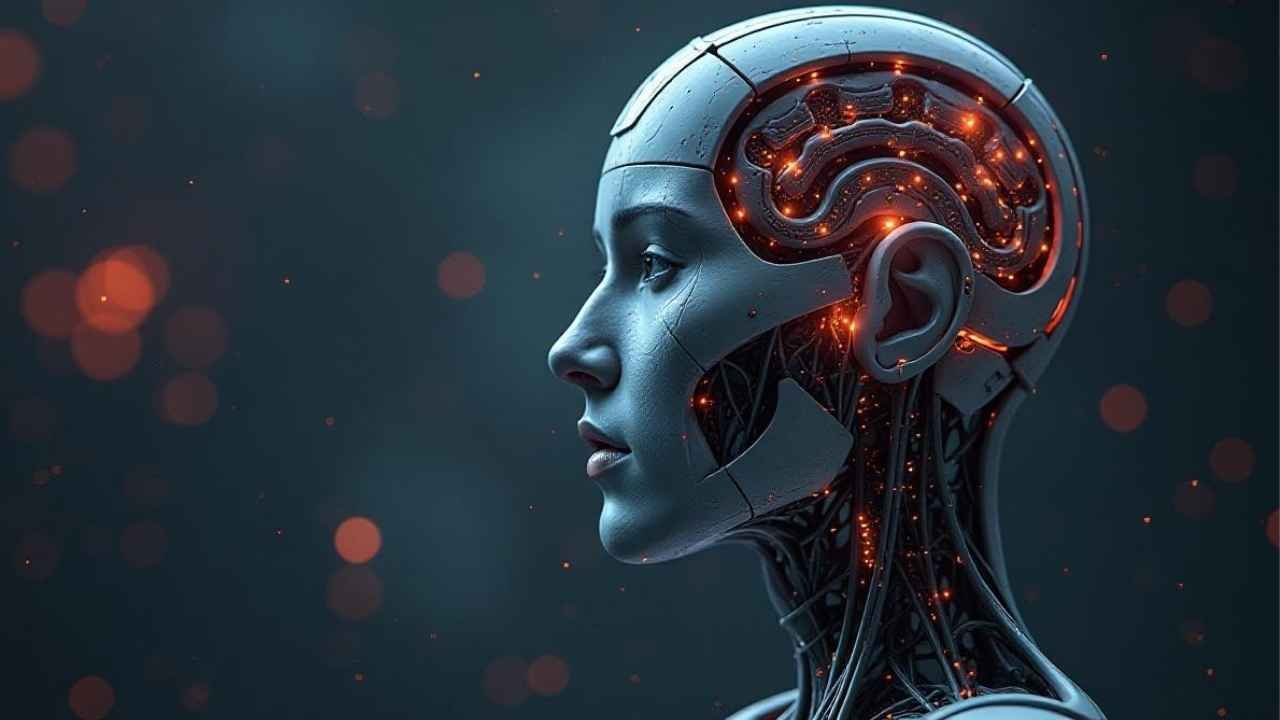
The Rise of Smart Technology: An Introduction
Artificial Intelligence (AI) is no longer just a thing in science fiction movies or high-tech labs. It has become a big part of our daily lives. AI is changing the way we live, work, and interact in small ways, like voice assistants on smartphones and personalized recommendations on streaming platforms. AI is always changing as technology moves forward quickly. This brings both amazing opportunities and difficult problems. Knowing how AI is changing our daily lives can help us get ready for a future that is more automated and smart.
AI in Daily Life: More Common Than We Think
A lot of people use AI systems every day without even knowing it. AI is at work when you use facial recognition to unlock your phone, ask a virtual assistant a question, or get personalized suggestions while shopping online. These systems look at data, find patterns, and make decisions right away.
Smart home devices change the temperature in a room on their own. Traffic conditions affect the fastest routes that navigation apps suggest. Email services do a good job of filtering out spam. AI algorithms that make things easier and better for users power all of these conveniences. AI will become more and more common in everyday life as it gets better.
Smart systems are changing healthcare
One of the most important uses of AI is in the field of health care. AI-powered tools can look at medical images, find diseases early on, and help doctors make the right diagnosis. Machine learning algorithms look at a lot of patient data to find patterns that people might not notice.
Predictive analytics helps healthcare providers see possible health risks ahead of time, so they can provide preventive care instead of reactive treatment. Wearable devices powered by AI keep track of heart rates, sleep patterns, and physical activity, giving you real-time health information. In the future, AI could cut down on medical mistakes, tailor treatment plans to each patient, and make healthcare easier to get around the world.
However, ethical issues like data privacy and algorithm bias need to be handled very carefully to make sure that healthcare solutions are fair and responsible.
AI in Education: Making Learning Unique for Everyone
Artificial intelligence is also changing the field of education. Most of the time, traditional classrooms use a one-size-fits-all approach. But AI makes it possible for students to learn in their own way. Smart learning platforms change based on what students are good at and what they need to work on, giving them lessons and feedback that are just right for them.
AI tutors can help students with questions and practice problems outside of school hours. AI tools that automate administrative tasks like grading help teachers focus more on mentoring and getting students involved.
AI could help people in remote and underserved areas get a good education in the long run. It won’t replace teachers, but it can help them do their jobs better and help students learn more.
The Evolution of the Workplace: Automation and Working Together with People
The workplace is changing a lot because of artificial intelligence. AI-powered automation takes care of tasks that are boring and take a lot of time, which boosts productivity and lowers costs. AI systems make processes easier and more accurate in fields like manufacturing, logistics, finance, and customer service.
But as automation becomes more common, people are worried about losing their jobs. Some old jobs may go away, but new ones will open up in areas like AI development, data analysis, cybersecurity, and robotics maintenance.
The workplace of the future will probably put a lot of emphasis on people and machines working together. AI is great at processing data and doing the same thing over and over again, but people are better at being creative, having emotional intelligence, and thinking strategically. Companies that successfully use AI and train their employees will do well in the digital economy.
Smart Cities and New Ideas for Cities
AI is a big part of making smart cities happen. Traffic jams, pollution, and high energy use are some of the problems that cities have to deal with. AI systems look at real-time data from cameras and sensors to improve traffic flow, cut down on energy waste, and make public safety better.
Smart grids make it easier to share energy. Predictive analysis makes waste management systems more organized. Public transportation systems change based on how many people want to use them.
As cities get bigger, AI-powered solutions will be needed to make cities that are livable, efficient, and environmentally friendly. Governments and businesses need to work together to use these technologies safely and in a way that protects people’s privacy and safety.
Ethical Issues and AI that Works
AI has a lot of good things about it, but it also raises moral questions. Problems like data privacy, algorithmic bias, surveillance, and using technology for bad things need to be fixed. AI systems learn from data, and if that data is biased, the results can be unfair or discriminatory.
It’s very important that AI decision-making processes are open. Companies need to make sure that AI systems can be explained and held responsible. Governments all over the world are working on rules to encourage the development of ethical AI and stop it from being used for bad things.
Responsible AI means making systems that put people’s safety, fairness, and health first. It is the job of developers, policymakers, and users to make AI work for everyone.
A New Era of Innovation: AI and Creativity
AI isn’t just for technical tasks; it’s also getting into creative fields. AI tools now help people write music, design graphics, edit videos, and make content. These tools don’t take away from human creativity; they make it better.
For instance, designers use AI to quickly come up with different design ideas. Writers use AI-powered tools to help them come up with ideas and edit their work. Musicians try out AI-generated melodies to see what else they can come up with.
The combination of AI and human creativity makes it possible to make art in new ways. Instead of seeing AI as a threat, creative people can see it as a partner that helps them be more productive and come up with new ideas.
Getting ready for a future with AI
People and businesses need to change as AI keeps getting better. Learning for the rest of your life will be necessary. In a world where AI is everywhere, it will be very important to learn skills like critical thinking, adaptability, digital literacy, and emotional intelligence.
Governments and schools need to change their curriculums to get kids ready for new technologies. Companies need to spend money on training programs to help workers move into new jobs that AI integration will create.
In the next few years, success will depend on how well you accept change instead of fighting it. Don’t be afraid of AI; instead, learn about it and help it grow in a responsible way.
Conclusion: A Balanced Way to Move Forward
Artificial Intelligence is changing everyday life in big ways. Its effects are clear in many areas, including healthcare, education, workplaces, and smart cities. AI makes things faster, easier, and more creative, but it also creates moral and social problems that need to be handled with care.
How people choose to develop and control AI will determine its future. We can use AI to its full potential while reducing risks if we focus on responsible innovation, continuous learning, and human-centered design.
The path to a smarter future has already begun. The question isn’t whether AI will change the world; it already is. The real question is how we will use AI to make the future better, fairer, and more sustainable for everyone.
Frequently Asked Questions (FAQs)
- What does “artificial intelligence” mean in plain English?
Artificial Intelligence (AI) is the term for computer systems that can do things that usually require human intelligence. Learning from data, finding patterns, solving problems, understanding language, and making decisions are all examples of these tasks.
- How does AI work in real life?
AI is used in social media feeds, voice assistants, recommendation systems (like Netflix or Amazon), navigation apps, facial recognition, spam filters, smart home devices, and even online banking fraud detection. AI algorithms power a lot of the digital things we do every day.
- Will AI take over jobs that people do?
AI can take over jobs that are boring and repetitive, but it will also make new jobs in technology, data science, cybersecurity, and managing AI systems. People and AI are expected to work together in the future, not completely replace each other.
- Is AI a threat?
AI itself isn’t dangerous, but when people use it wrong, there aren’t enough rules, or the data is biased, it can be. To make sure that AI helps society in a safe way, we need to focus on ethical development, openness, and responsible governance.
- How does AI help with health care?
AI helps doctors figure out what’s wrong with patients, look at medical images, predict health risks, customize treatments, and keep track of patient data through wearable devices. It helps doctors make decisions more quickly and accurately.
- Is it possible for AI to think like people?
AI can mimic some parts of human intelligence, like learning and making decisions, but it doesn’t have consciousness, feelings, or self-awareness like humans do. It runs on data and programmed rules.
- What skills will be important in a future with AI?
Digital literacy, critical thinking, problem-solving, adaptability, creativity, and emotional intelligence are all important skills. Many industries also value technical skills like coding, data analysis, and machine learning.
- What will the future hold for AI?
In the future, AI will make progress in areas like automation, smart cities, personalized healthcare, self-driving cars, advanced robotics, and better cooperation between people and machines. Responsible innovation will be very important in making this future happen.