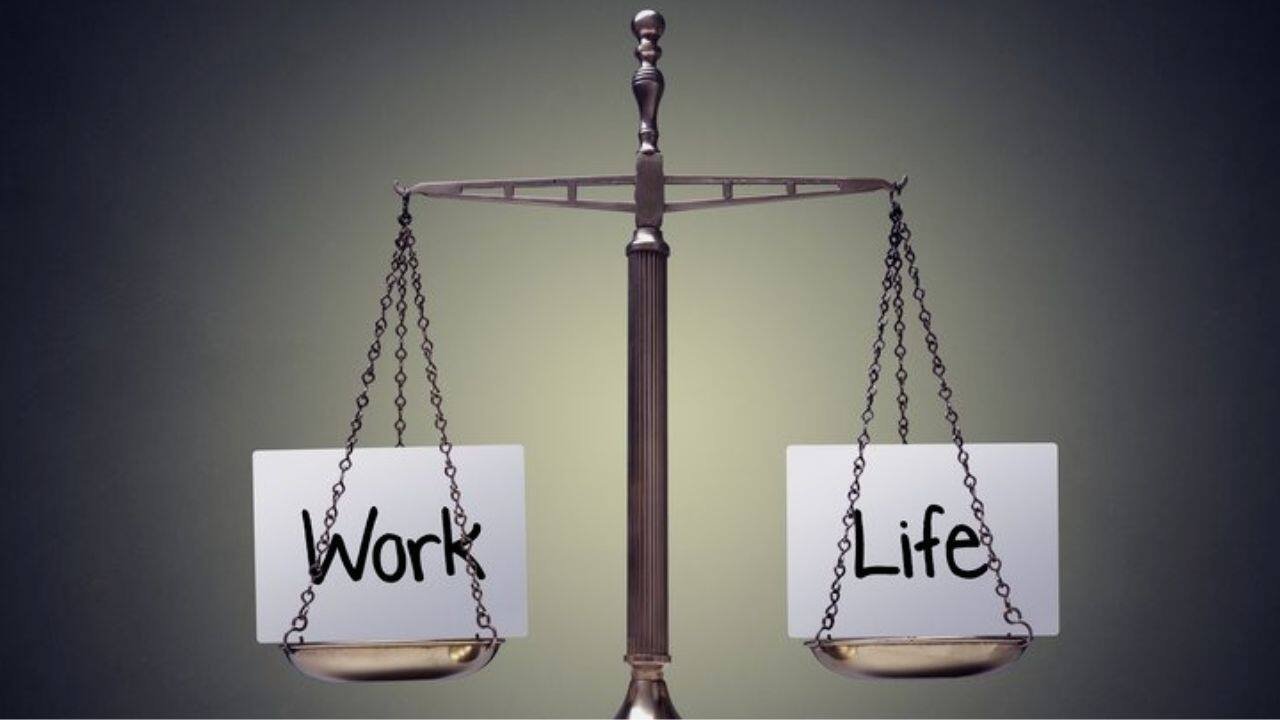
Work-life balance is the balance between work and personal life that lets people do well in both areas without one getting in the way of the other. This idea often seems like an impossible goal for business owners. The passion that drives startup founders often means long hours, always being available, and not being able to tell when work ends and home begins. But keeping a healthy balance isn’t a luxury; it’s a strategic need for long-term success.
The journey of an entrepreneur is very hard. Founders often have to do a lot of different things, like developing products, raising money, and helping customers. This full-on commitment can lead to amazing things, but it also has hidden costs. Recent data shows that about 87.7% of entrepreneurs have at least one mental health problem. Of these, 34.4% are burned out, 50.2% are anxious, and 45.8% are under a lot of stress. Poor work-life balance is one of the biggest problems, affecting 26.9% of founders directly. These numbers show that the “hustle culture” that startup stories often praise can be very bad for your health.
Burnout is one of the biggest threats to the long-term success of a business. Burnout can stop whole projects from moving forward, and it can make you emotionally drained, less productive, and disconnected. Founders who are always tired make bad choices, miss chances to be strategic, and have a hard time coming up with new ideas. Studies show that entrepreneurs who are not in good health are less productive, creative, and persistent, which leads to lower economic output. On the other hand, people who set clear work-life boundaries are much less likely to burn out—almost three times less likely to say they are very stressed when they do.
Prioritizing balance not only helps prevent burnout, but it also has real benefits for businesses. Entrepreneurs who are well-rested and mentally clear make better strategic decisions and avoid mistakes that cost them money because they are tired. A balanced founder is a better leader because they create a positive work environment where employees feel valued instead of overworked. Studies show that companies that encourage a good work-life balance have up to 25% fewer employees leave, more productivity (some reports say productivity goes up by 13% or more with flexible arrangements), and more overall engagement. When founders show their teams how to live healthy lives, they make them strong and creative, which are two things that are very important for growing a startup.
Without balance, personal relationships also suffer. Entrepreneurs often give up time with family, friends, and themselves, which can lead to strained marriages, distant children, or feeling alone. These personal shortcomings result in emotional debt that ultimately affects job performance. A satisfying personal life gives you emotional energy, a new way of looking at things, and motivation—all of which are important for long-term entrepreneurial drive. Founders who build relationships say they feel better about themselves, which makes them more resilient and happy in their business activities.
Balance also encourages creativity and new ideas, which are two important parts of being a successful entrepreneur. Taking a break lets your mind wander, connect different ideas, and come up with new ones that intense focus might block. Many famous entrepreneurs, like Bill Gates with his “think weeks” and modern founders who take regular breaks, say that planned rest is what gives them their best ideas. On the other hand, working too much makes it harder to change course or see new opportunities because it narrows your thinking and makes you more focused on one thing.
Health is another important reason to make balance a top priority. Chronic stress from working nonstop raises the chances of getting sick, such as heart disease, a weakened immune system, and sleep problems, as well as mental health issues. For entrepreneurs, whose businesses depend on their energy and presence, getting sick makes their businesses more vulnerable. Regular exercise, sleep, and downtime can help you avoid these problems. It’s not selfish; it’s risk management for the business.
If you want to find balance as an entrepreneur, you need to use planned strategies instead of just hoping it happens on its own. Set clear limits at first: let your team know when work hours are, don’t check emails during family time, and treat personal commitments like appointments that can’t be changed. Delegate tasks without mercy; trusting others not only gives you more time, but it also strengthens your team. Include self-care activities like meditation, exercise, or hobbies that have nothing to do with work. Make sure to take regular breaks, vacations, and even sabbaticals to fully recharge.
Many successful founders say that balance changes as the business grows. In the beginning, the company may need to work very hard for short periods of time, but as it grows, it will need to find and keep up with more sustainable rhythms. Seeing balance as self-care—a way to improve long-term performance—changes the way you think from guilt to empowerment.
Ultimately, work-life balance for entrepreneurs entails a redefinition of success. It’s not just about how much money you make or how much your business is worth; it’s also about being able to build something meaningful while living a full, rich life. The most successful business owners know that a successful business and a successful self go hand in hand. Founders who embrace balance don’t slow down; they set themselves up to go farther, come up with smarter ideas, and lead with clarity for years to come. In a world that values hard work, choosing to be sustainable might be the most revolutionary thing you can do.
Frequently Asked Questions (FAQs)
Q1: Can business owners really have a good work-life balance?
Yes, but it doesn’t look like a regular 9-to-5 job. Many entrepreneurs (almost three out of five in recent surveys) say they have better balance after leaving their jobs because they have more freedom and flexibility. But almost half of them have trouble disconnecting when they’re not working, and more than one in five small business owners work more than 50 hours a week. It’s possible to do this by setting clear boundaries instead of hoping for perfect balance. Think about long-term integration instead of strict separation.
Q2: Why do so many business owners get burned out?
Entrepreneurship requires a lot of passion and responsibility, which can mean long hours, financial stress, and a lack of clear boundaries between work and life. Recent data shows that 34.4% of entrepreneurs are burned out, and 87.7% of them have at least one mental health issue, such as anxiety (50.2%) or high stress (45.8%). About 27% of the time, a bad work-life balance is to blame. Chronic stress hurts decision-making, innovation, and persistence, which hurts both personal health and business results.
Q3: Does putting balance first hurt business growth?
No, it usually makes it better. Setting clear boundaries between work and personal life helps entrepreneurs avoid burnout and make better strategic decisions. Companies that encourage balance have more productive employees, lower turnover (up to 25% less in some studies), and teams that are more engaged. Founders who get enough sleep are better at coming up with new ideas. When they take time off, they can have creative breakthroughs that constant work blocks.
Q4: How do I set limits when my business never “closes”?
Start small and strong: Set core work hours (for example, no emails after 7 PM), let your team and clients know about them, and treat your personal time like appointments that can’t be changed. Use tools like auto-responders, give others routine tasks, and plan regular breaks or “off” days. Many successful founders set aside time for family, exercise, or hobbies in the same way they set aside time for meetings with investors. Over time, this builds trust that the business can run without being watched all the time.
Q6: What changes have there been in the work-life balance for entrepreneurs in the last few years (2025–2026)?
For many workers around the world, work-life balance is now more important than pay (83% in some 2025 reports). Hybrid and flexible models are helpful for business owners, but there are still problems. Most of them only get about 11 days off a year, not counting holidays. Younger founders (Gen Z and Millennials) want it more, which is changing the culture of startups from one of constant work to one of sustainability. Tools for automation and mental health resources are making it easier than ever to find a balance.
Q7: What if I love my job and don’t mind working long hours?
Passion is a good thing, but being obsessed with something without taking breaks can hurt your progress. Driven founders often do better with intentional integration (doing work that is meaningful and makes life better overall) than with strict balance. The goal isn’t to work less; it’s to keep doing well over time. If relationships, health, or happiness suffer for a long time, it’s a sign that you need to change your plans, not a sign that you need to make a sacrifice.