

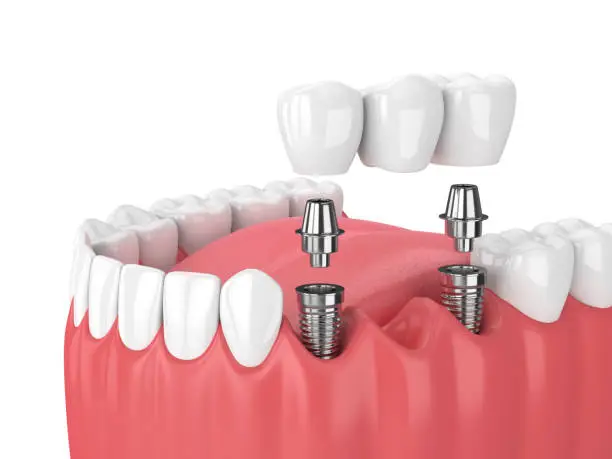
Yes, there are several dental prosthesis options for replacing missing natural teeth and improving your oral health, confidence as well as smile. But the dental implant has become an increasingly popular solution in the recent days.
A tooth implant is certainly a permanent solution and offers many benefits to dental patients. Here are a few significant things you ought to know if you’re considering getting a dental implant.
Can be Attached to Dentures
Although dental implants may often be preferred to dentures, they can as well improve your experience if you do need to use dentures. One of the central issues experienced with dentures is how they can move around in the mouth thus causing discomfort and inconvenience in various ways.
The stability of a dental implant can possibly give dentures additional security. Special implants can be embedded in your jaws that are designed to attach to your dentures. This certainly means that the dentures are less likely to move and slip, offering you additional comfort as well as security.
Caring For Your Implant
After settling for implants as your ideal dental prosthesis solution, you may need to attend follow-up appointments with your dentist to ensure it has been successful. Actually, the healing can take several months to complete entirely. If you had a more complicated surgery, you might need to take pain medication in the period following. However, most dental implants only require basic pain management immediately following the surgery.
You might need to take particular care of your oral hygiene in the weeks following your surgery to make sure there is no chance of infection. These maintenance tasks are simple and easy and your dentist can offer assistance as well as advice if you need it.
You Can Get Extra Help
In the past, you might not have been able to get a tooth implant if you did not have enough bone at the implant site or if your bone was not strong enough. While this may still affect your eligibility, there are new ways you can possibly receive extra help to allow you to get the implants.
Bones grafts can be placed into the jaw to provide extra support if you need it. The dental prosthesis themselves have also been improved and now may not require as much jawbone support as they did in the past.
