
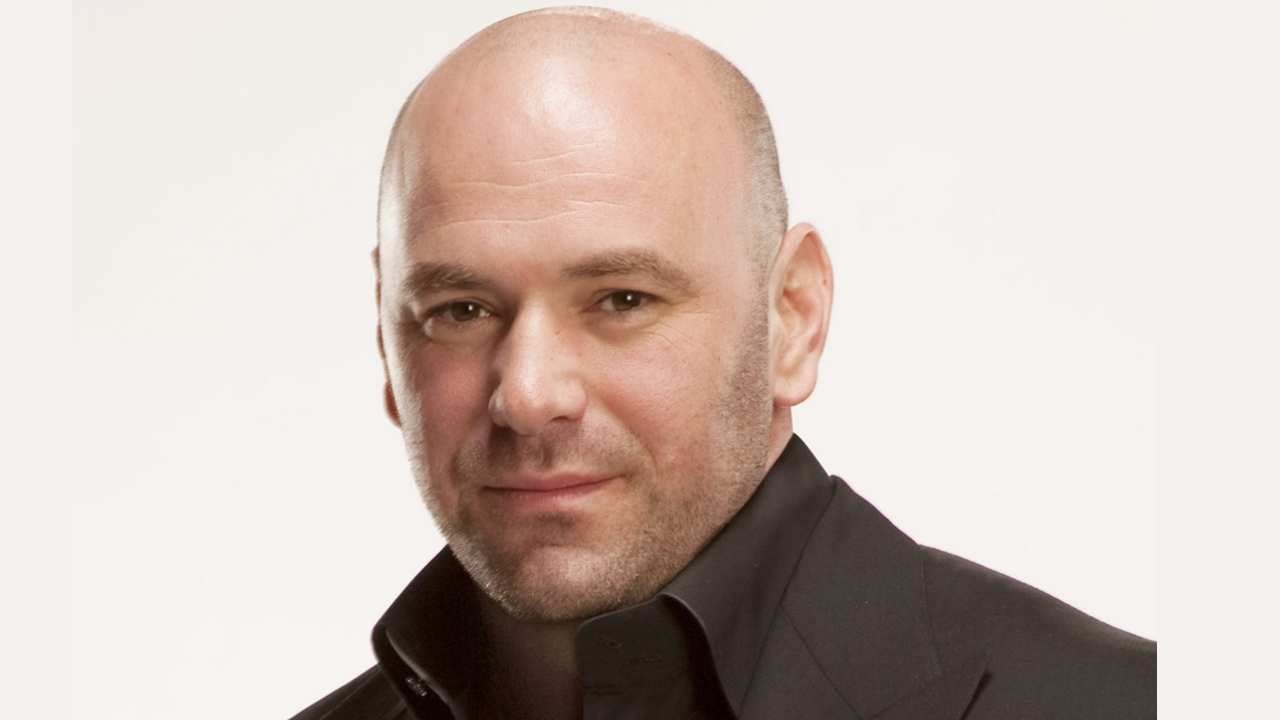
Dana White has changed an organization in the world of sports more than most executives. White has been a key figure in turning mixed martial arts (MMA) from a struggling, controversial show into a global sports powerhouse. He is the CEO and President of the Ultimate Fighting Championship (UFC). He is one of the most important people in modern sports business because he is a bold leader, always promotes himself, and is willing to take risks.
Dana White’s story isn’t just about fighting; it’s also about business, branding, and having a vision.
Dana White Profile Summary
| Attribute | Details |
|---|---|
| Full Name | Dana Frederick White Jr. |
| Date of Birth | July 28, 1969 |
| Age (2026) | 56 years |
| Birthplace | Manchester, Connecticut, U.S. |
| Nationality | American (Irish-American heritage) |
| Education | Attended Quincy College and University of Massachusetts, Boston (did not graduate) |
| Occupation | Businessman, President & CEO of UFC |
| Known For | Leading the Ultimate Fighting Championship (UFC) into global success |
| Other Ventures | Founder of Power Slap (2022), Board Member of Meta Platforms (2025) |
| Net Worth (2026) | Estimated ~$570 million |
| Spouse | Anne Stella (married in 1996) |
| Children | 3 |
| Website | ufc.com |
Early Life and Background
Dana Frederick White Jr. was born on July 28, 1969, in Manchester, Connecticut, and grew up in Las Vegas, Nevada. Working-class values and a strong interest in sports shaped his early life. White loved boxing from a young age, and this later helped him understand how to promote combat sports and manage athletes.
Before he became famous, White did a lot of different jobs, such as running boxing programs and managing gyms. He got hands-on experience in sports promotion, athlete relations, and event management early in his career. These skills would later be very important for building the UFC brand.
Before Dana White, the UFC
The UFC was not a billion-dollar business in the late 1990s and early 2000s. The group had a lot of trouble with the law, got a lot of bad press for being violent, and had trouble getting TV deals. At one point, the UFC was even illegal in some states in the U.S.
Dana White got childhood friends Lorenzo and Frank Fertitta to buy the struggling organization in 2001. White was named president of Zuffa LLC, their company. This was the start of one of the most dramatic changes in sports history.
White thought that MMA could be a real sport with rules and regulations. He worked day and night to get unified rules in place, get approval from the athletic commission, and change how people saw the sport.
Making the UFC Brand
People often say that Dana White is an aggressive, passionate, and unapologetic leader. He was the public face of the UFC, always promoting events, defending fighters, and talking directly to fans and the media.
The Ultimate Fighter reality TV show started in 2005, and it was one of the most important events in UFC history. The show was on Spike TV and brought MMA fighters to a wider audience. Many people say that the dramatic ending between Forrest Griffin and Stephan Bonnar saved the UFC’s finances and brought it into the public eye.
After that, the UFC grew even faster. Pay-per-view sales went up, sponsorship deals got bigger, and new markets opened up around the world. Dana White’s marketing techniques turned fighters like Conor McGregor, Ronda Rousey, and Anderson Silva into stars all over the world.
The Sale for a Billion Dollars
Endeavor (formerly WME-IMG) bought the UFC in 2016 for about $4 billion, making it one of the biggest deals in sports history. Even though the company was sold, Dana White stayed president and ran things.
The sale proved that White’s vision was right. Once thought of as a niche sport, it was now a well-known global brand. The UFC grew into markets all over Europe, Asia, the Middle East, and beyond while he was still in charge.
In 2018, White also struck a big deal with ESPN to air UFC events, which helped the UFC become even more popular in mainstream sports media.
Dana White Net Worth Timeline (2016–2026)
| Year | Estimated Net Worth | Key Events/Notes |
|---|---|---|
| 2016 | ~$360 million | Sold his 9% stake in UFC during $4B sale to Endeavor, earning ~$360M after taxes. |
| 2017 | ~$400 million | Continued as UFC President, earning executive salary and bonuses. |
| 2018 | ~$420 million | UFC expansion into new markets boosted his earnings. |
| 2019 | ~$450 million | UFC broadcast deal with ESPN increased revenue streams. |
| 2020 | ~$470 million | UFC adapted during COVID-19 with “Fight Island,” maintaining profitability. |
| 2021 | ~$500 million | UFC’s valuation grew under Endeavor; White’s compensation rose. |
| 2022 | ~$520 million | Founded Power Slap, diversifying his portfolio. |
| 2023 | ~$540 million | Investments in sports entertainment ventures. |
| 2024 | ~$560 million | UFC merged into TKO Group Holdings, increasing brand value. |
| 2025 | ~$600 million | Forbes estimated his net worth at over $600M; joined Meta’s board. |
| 2026 | ~$570 million | Current estimate; portfolio includes real estate, aviation, collectibles, and Power Slap. |
His wealth trajectory shows steady growth, with peaks around major UFC deals and diversification into other ventures. Interestingly, while Forbes pegged him at $600M in 2025, current 2026 estimates place him closer to $570M, reflecting market fluctuations in his investments.
Business Philosophy and Style of Leadership
People know Dana White for how direct he is when he talks. He is not afraid to speak his mind in public, even if it means being controversial. Fans like how honest and open he is, but critics don’t like how blunt he is.
But there is no denying that he is effective. White’s philosophy is based on performance, entertainment, and making money. He always says that fighters need to do more than just win; they also need to connect with fans.
During the COVID-19 pandemic, he was also very important because he made sure that UFC events went on when most other sports leagues were closed. The UFC was one of the first big sports organizations to start up again after the pandemic by building “Fight Island” in Abu Dhabi and following strict health rules.
How to Get Along with Fighters
Dana White has worked with fighters, but their relationship has also been rocky. Many athletes say that he gave them chances that changed their lives and made them famous around the world. Some people have said bad things about how fighters are paid and how contracts are negotiated.
White has always defended the UFC’s business model, saying that the company puts a lot of money back into production, marketing, and expanding around the world. Even though there are arguments about pay, the UFC is still the best place for MMA fighters from all over the world.
His ability to spot talented people who could make money and create interesting rivalries has been key to the organization’s long-term success.
Dana White Social Media Accounts
| Platform | Handle / Link | Notes |
|---|---|---|
| X (Twitter) | @danawhite | Active with UFC updates and personal posts |
| @danawhite | Behind-the-scenes UFC content, lifestyle, and promotions | |
| Dana White Official | UFC-related announcements and fan engagement | |
| TikTok | @danawhite | Short-form UFC clips and promotional videos; 2.9M followers |
| Twitch | Dana White Official | Occasional streams and UFC-related content |
Going beyond the UFC
Dana White has done more than just MMA; he has also promoted boxing and made business investments. He has connections with important public figures and has an impact on both politics and entertainment.
White’s brand is very similar to the UFC’s. He does well in front of cameras, unlike many executives who stay behind the scenes. He stays in touch with fans through press conferences, interviews, and social media.
This hands-on approach makes sure that the UFC always has a strong voice and leadership presence.
Criticism and Controversies
Dana White has been in the news for bad things, just like many other famous businesspeople. People have sometimes gotten angry at him because of his outspoken comments and strong personality. Some people say that his aggressive style can make things tense at work.
But White has been able to handle criticism well. His fans see him as a passionate leader who won’t go along with corporate politeness.
In the high-stakes world of combat sports, being a good leader often means being watched by the public. Instead of avoiding it, Dana White has accepted that reality.
Legacy in Combat Sports
The UFC’s success is tied to Dana White’s legacy. Mixed martial arts went from being a small competition to a sport that is regulated by athletic commissions and followed by millions of people around the world thanks to his leadership.
He helped make a new generation of sports stars and gave athletes from different backgrounds a place to shine. The UFC now holds events in big arenas all over the world and gets huge pay-per-view audiences.
White’s impact goes beyond numbers in business. In the digital age, he changed how combat sports are marketed and watched.
Final thoughts
Dana White is one of the most important people in modern sports management. His journey shows vision, persistence, and bold leadership, from saving a struggling organization in 2001 to running a global brand worth billions of dollars.
He has built more than just a sports league as the CEO and President of the Ultimate Fighting Championship. He has built an entertainment empire. You can’t deny that Dana White has had an effect on mixed martial arts, whether you love him or hate him.
His story shows that even the most unlikely projects can become worldwide hits if you believe in them, take calculated risks, and keep promoting them.
Frequently Asked Questions
1. Who is Dana White?
Dana White is an American businessman and sports executive best known as the CEO and President of the Ultimate Fighting Championship (UFC). He has been instrumental in transforming the UFC into the world’s leading mixed martial arts organization.
2. When did Dana White become president of the UFC?
Dana White became president of the UFC in 2001 after convincing Lorenzo and Frank Fertitta to purchase the struggling organization. Since then, he has led its global expansion and brand development.
3. How did Dana White make the UFC successful?
White focused on regulation, marketing, and media exposure. The launch of The Ultimate Fighter reality show in 2005 significantly boosted the UFC’s popularity. He also helped secure major broadcasting deals, including a partnership with ESPN.
4. What is Dana White’s net worth?
Dana White’s net worth is estimated to be in the hundreds of millions of dollars, largely due to his ownership stake in the UFC and the organization’s $4 billion sale in 2016.
5. Did Dana White own the UFC?
Dana White did not fully own the UFC but held a minority ownership stake. The majority stake was owned by the Fertitta brothers through Zuffa LLC before the company was sold to Endeavor in 2016.
6. What was the UFC sold for?
The UFC was sold in 2016 for approximately $4 billion to Endeavor (formerly WME-IMG), marking one of the largest sales in sports business history.
7. What is Dana White’s leadership style?
Dana White is known for his direct, outspoken, and passionate leadership style. He frequently engages with media and fans, and he plays an active role in promoting fights and managing events.
8. Has Dana White faced controversies?
Yes, Dana White has faced criticism for his outspoken comments and for debates surrounding fighter pay and contracts. Despite controversies, he remains a dominant figure in combat sports.
9. What role did Dana White play during COVID-19?
During the COVID-19 pandemic, White ensured UFC events continued by implementing strict safety protocols and hosting events at “Fight Island” in Abu Dhabi, making the UFC one of the first major sports organizations to resume operations.
10. Is Dana White involved in other businesses?
Yes, beyond the UFC, Dana White has shown interest in boxing promotion and other business ventures. However, the UFC remains his primary focus and legacy.