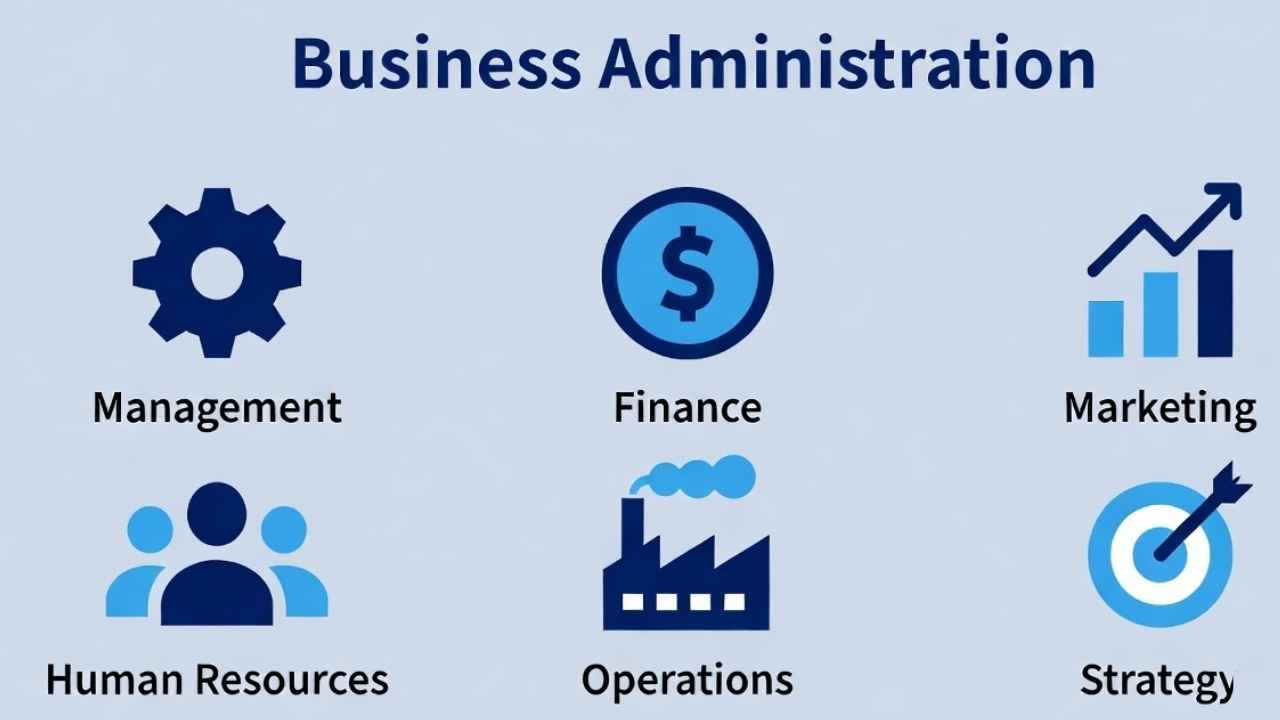

Corporate finance is the part of finance that looks at how businesses handle their money to make their shareholders happy. It is mostly about three big choices: how to budget for projects (capital budgeting), how to get money for those projects (capital structure), and how to give money back to owners (dividend policy). Corporate finance helps businesses figure out where to put their limited resources to get the most long-term value while keeping risk and return in mind.
The Purpose of Corporate Finance
Corporate finance’s main goal is to increase the wealth of shareholders, which is usually measured by the stock price or the company’s intrinsic value. Managers are the agents of shareholders (the principals) and must make decisions that raise the value of the company instead of their own interests. This principle is behind almost every financial choice, from starting a new product to buying another company. This means working on projects that make more money than they cost and keeping an eye on risks that could destroy value.
The Basic Idea of Time Value of Money
The time value of money is one of the most important ideas in finance. This means that a dollar today is worth more than a dollar in the future because money can grow over time. This idea is the basis for both discounting and compounding. A discount rate that takes into account risk and opportunity cost is used to bring future cash flows back to the present. For instance, if a project promises to pay $1 million in five years, its present value is much lower depending on the rate of return that is needed. This idea is used directly by tools like net present value (NPV) and internal rate of return (IRR) to look at investments.
Capital Budgeting: Picking the Right Projects
Companies use capital budgeting to look at and choose long-term investment projects. Managers figure out how much money a project will make in the future, discount that amount to its present value, and then compare the benefits to the cost of starting the project. NPV (accept if positive), IRR (accept if above the cost of capital), payback period, and profitability index are all common methods. The goal is to only put money into projects that are worth more than they cost, taking into account the time value of money and risk. In the real world, decisions also take into account strategic fit, market conditions, and things that aren’t money-related, like how the decision will affect the environment or the brand’s reputation.
The Hurdle Rate: The Cost of Capital
The cost of capital is the lowest return a business needs to make on its investments to keep its investors happy. It is basically the average return that both debt holders and equity investors want. The weighted average cost of capital (WACC) is the sum of the after-tax cost of debt and the cost of equity, with the proportions of each in the capital structure taken into account. You should only accept a project if the expected return is higher than the WACC. It’s very important to know and correctly figure out the cost of capital because using the wrong rate can lead to accepting bad projects or turning down good ones.
Debt vs. Equity in Capital Structure
The capital structure of a business is the mix of debt and equity it uses to pay for its operations and growth. Debt is less expensive than equity because you can deduct interest payments from your taxes. However, having too much debt raises your financial risk and the chance of going bankrupt. The best capital structure finds the right balance between the tax benefits of debt and the costs of financial trouble. Theories like Modigliani-Miller (in perfect markets) say that capital structure doesn’t matter, but in real life, taxes, bankruptcy costs, agency problems, and signaling effects make it very important. Companies often try to keep their debt-to-equity ratio at a certain level that is right for their industry, cash flow stability, and growth potential.
Dividend Policy: Giving Shareholders Their Money Back
The dividend policy tells the company how much of its profits to give to shareholders as dividends and how much to put back into the business. Some companies pay high dividends to get investors who want to make money, but growth companies usually keep their profits to grow. The dividend irrelevance theory (in perfect markets), the bird-in-the-hand theory (investors prefer certain dividends), and the signaling theory (changes in dividends show management’s confidence in future earnings) are all important ideas. When companies set their dividend policies, they think about things like taxes, what investors want, legal limits, and the need to keep their finances flexible. Share buybacks are a popular way to return capital instead of dividends.
Managing working capital
Managing working capital means keeping an eye on short-term assets (like cash, inventory, and accounts receivable) and short-term liabilities (like accounts payable and short-term debt) so that the business can meet its daily needs without tying up too much cash. Good management makes a company more liquid and profitable. The cash conversion cycle tells you how quickly a business can turn its investments in inventory and other resources into money from sales. Good working capital practices include speeding up collections, waiting to pay when necessary, and keeping the right amount of inventory on hand to avoid running out of stock or paying too much to hold it.
Risk and Return: The Most Important Trade-Off
The link between risk and return is what makes finance work: higher potential returns come with higher risk. You can’t get rid of systematic risk (market risk), but you can lower unsystematic risk (company-specific risk) by spreading your investments out. The Capital Asset Pricing Model (CAPM) uses beta, which shows how sensitive an asset is to changes in the market, to help figure out what the expected return on equity will be. Before putting money into a project, businesses and investors need to know how much risk they can handle and use tools like scenario analysis, sensitivity analysis, and Monte Carlo simulations to figure out how risky it is.
Valuation: Figuring Out How Much a Business is Worth
Valuation is very important in corporate finance, whether it’s for making investment decisions, mergers and acquisitions, or getting money. Some common methods are discounted cash flow (DCF) analysis, which predicts future free cash flows and discounts them at the WACC; comparable company analysis, which looks at multiples like P/E or EV/EBITDA; and precedent transactions. The intrinsic value of a company is based on how much cash it can make, while the market value is based on how much investors are willing to pay right now. Skilled valuation helps managers not pay too much for acquisitions and find out when their own stock is worth more or less than it is.
Mergers and Acquisitions (M&A)
M&A is when one company buys or merges with another company to reach strategic goals like growth, synergies, entering new markets, or diversifying. Corporate finance is very important for figuring out how much the target is worth, how to structure the deal (cash vs. stock), how much money is needed, and how to make the merger work after it happens. Any extra money spent must be worth it in terms of cost savings or revenue growth. But a lot of mergers don’t give the expected value because people overestimate synergies, there are cultural differences, or they don’t do their due diligence. People who work in finance look at how accretion and dilution affect earnings and shareholder value.
Managing Financial Risk
Companies have to deal with a lot of risks, such as changes in interest rates, currency exchange rates, commodity prices, and credit risk. Derivatives like forwards, futures, options, and swaps are used in financial risk management to protect against these risks. The goal is not to get rid of all risk, but to manage it so that the company can focus on its main business. Good risk management keeps cash flow steady, lowers the cost of capital, and keeps people from going broke. More and more, boards and executives think that good risk management is necessary for long-term survival.
Ethics and Corporate Governance
Strong corporate governance makes sure that management does what is best for shareholders and other people who have a stake in the company. It includes things like the board of directors keeping an eye on things, executive pay structures that are often based on performance, clear financial reporting, and internal controls. Ethical issues have become more important as things like environmental, social, and governance (ESG) factors have an impact on investment choices. Bad governance can cause scandals, loss of trust, and loss of shareholder value. Good governance, on the other hand, helps create value that lasts.
Important Things for Managers and Investors to Know
Corporate finance gives you the tools you need to make smart financial choices that will help your business succeed. Managers can use resources better and investors can make better decisions about opportunities when they know basic ideas like the time value of money, NPV, WACC, capital structure, and risk-return trade-offs. These principles need to be used with strategic thinking, changes in technology, concerns about sustainability, and the realities of the global market in today’s fast-paced world. Whether you’re the CFO of a multinational company or an individual investor looking at stocks, it’s still important to understand these basic financial ideas in order to create and keep long-term value.