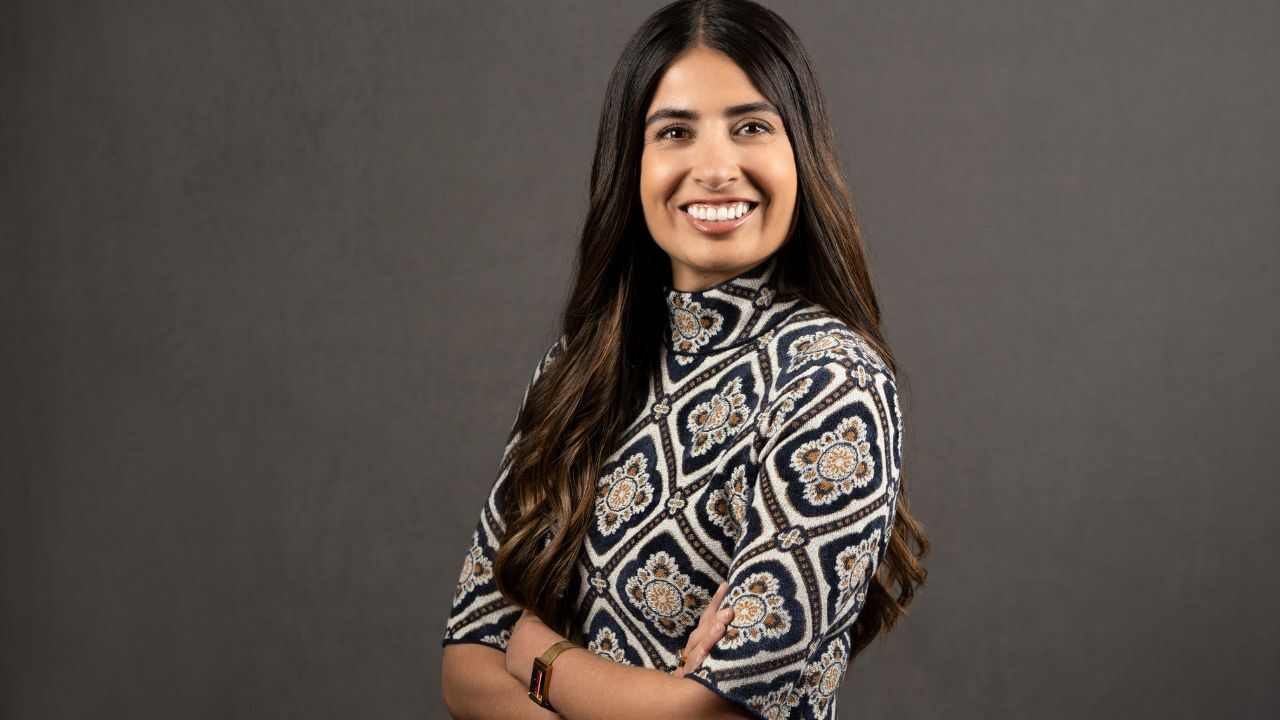
Microsoft announced on February 20, 2026, that Asha Sharma, an Indian-American executive, has been named Executive Vice President and CEO of Microsoft Gaming. This is a big change in leadership for one of the world’s largest gaming ecosystems. She takes over from Phil Spencer, who has been with the company for 38 years and is retiring. Spencer has been in charge of Xbox during major expansions and acquisitions for more than ten years. Sharma, who reports directly to Microsoft CEO Satya Nadella, is now in charge of Xbox hardware, services like Game Pass, cloud gaming projects, and a large number of studios, including those from Activision Blizzard, Bethesda, King, and Xbox Game Studios, which are home to hit franchises like Call of Duty, Halo, World of Warcraft, Minecraft, and Candy Crush.
The appointment is a big deal for Microsoft Gaming, which has grown into a powerhouse under Spencer’s leadership. It now has over 500 million monthly active users across consoles, PCs, mobile devices, and the cloud. During Spencer’s time, there were big moves like the $69 billion purchase of Activision Blizzard, the push for subscription models, and efforts to make gaming available on more than just traditional hardware. Spencer thanked everyone for the journey in his farewell, and Nadella praised his work and stressed the need for new ideas as the industry changes quickly. Sharma takes over in the middle of problems, such as declining console sales, arguments over multiplatform strategies, and competition from Sony’s PlayStation and Nintendo.
Asha Sharma has a lot of different skills that come from working with technology, consumer platforms, and scaling up big services. However, she doesn’t have any direct experience in game development or the gaming industry. Sharma got her business degree from the Carlson School of Management at the University of Minnesota. From 2011 to 2013, she worked in marketing at Microsoft. Later, she worked as Chief Operating Officer at Porch Group, an insurtech startup, where she helped build teams for engineering, sales, and operations. She worked at Meta (formerly Facebook) from 2017 to 2021, where she became Head of Product for Messenger and Instagram Direct. There, she improved communication features that billions of people use. From 2021 to 2024, she was the Chief Operating Officer at Instacart. She oversaw product, design, data science, marketing, and operations to help the company become profitable and go public.
In 2024, Sharma came back to Microsoft as President of CoreAI. He was in charge of Azure AI Foundry, OpenAI integrations, machine learning platforms, and responsible AI practices, which are all important parts of the infrastructure that support the use of AI in businesses. In his announcement, Nadella pointed to this track record, saying that Sharma has “helped build and scale services that reach billions…” She has a lot of experience building and growing platforms, making business models fit with long-term value, and running businesses on a global scale. She has worked in customer service at Meta and Instacart, and more recently as an AI leader. This makes her well-equipped to handle the changing world of gaming, which includes subscriptions, cross-device play, and possible AI improvements.
Sharma’s first message to the Microsoft Gaming team showed both humility and a sense of urgency. She talked about the “extraordinary” foundation that had been laid over many years and stressed three main points. First, a constant focus on “great games” that gives studios the freedom to make creative decisions, put money into popular franchises, and tell bold stories with characters that will stay with players. Second, a renewed focus on the Xbox console and its core fans after years of focusing on expanding PC, mobile, and cloud gaming. “We will recommit to our core Xbox fans and players, those who have invested with us for the past 25 years,” she wrote. She promised that experiences would be seamless across devices and that developers would be able to “build once and reach players everywhere.” Third, she said there would be “no tolerance for bad AI” or “soulless AI slop.” She wanted games to stay human-made art and AI to be a tool that helps people be creative instead of taking their place.
Her Indian heritage has gotten a lot of attention and pride from the global Indian diaspora, especially since Satya Nadella became Microsoft’s CEO. Indian news outlets praised the milestone, pointing out that it was another example of Indian-born talent making it to the top of American tech. Sharma’s path, from going to school in the U.S. to leading major platforms, shows how different points of view are becoming more important in shaping the future of technology.
People have had very different reactions. People who work for the company, like Matt Booty (now EVP and Chief Content Officer in charge of studios and content), have spoken out in favor of Sharma’s player-focused curiosity and business sense. Sharma has interacted directly with the community on sites like X (formerly Twitter) by sharing her gamertag and talking about her favorite games to show how much she loves gaming. This friendly style is different from the more formal distance of executives, and it shows that they want to rebuild trust.
But some Xbox fans are not so sure. Critics say that her lack of gaming experience, her recent entry into the field, and her AI roots are all risks in an industry where being creative and really understanding what players want are very important. Some people online have said that she is biased or “nepotistic” because of her Indian background and Nadella’s leadership. These claims ignore the fact that she has already shown she can scale consumer services. Some people are worried that too much focus on efficiency, subscriptions, or AI tools could hurt exclusive titles and new ideas for consoles. These worries are made worse by recent problems with Xbox, like hardware sales slowing down and a move away from strict exclusivity.
Even though people are watching him closely, Sharma has some very strong advantages: Microsoft is a top publisher, xCloud is the leader in cloud gaming, Game Pass has a strong subscription ecosystem, and the company has the best library of intellectual property. Her operational knowledge could speed up post-acquisition integrations, improve business models, and look into ethical AI uses, such as advanced tools for developers in procedural generation or accessibility features, all without hurting the integrity of the art.
Sharma’s leadership shows both continuity and change as Xbox gets closer to its 25th anniversary. She has promised to “question everything” while protecting what makes the platform unique. She will combine her skills in building platforms with a renewed focus on console roots and creative excellence. Success will depend on making great games, winning back fans’ trust, and finding a way to stay in business in a competitive and fast-changing industry. For an Indian-American executive taking on one of gaming’s most important roles, the chance to shape the future of interactive entertainment is as big as the expectations are high.

Digital entrepreneur and content expert I help businesses with AI, SEO and the latest tech trends. I started Silicon Valley Weekly to make complex tech concepts easy to understand and use for business growth. I know a lot about systems and help startups, entrepreneurs and brands navigate the fast-changing world of tech and online marketing.
I build strategies that use data, search optimization, content marketing and AI tools to get visibility, engagement and revenue. I love finding ways for businesses to grow increasing their presence and turning new ideas into successful businesses. My goal is to connect the technology, with practical business use so brands can succeed online.