
Beginning
Cryptocurrency mining has become one of the most significant aspects of blockchain technology and digital currency ecosystems. Cryptocurrencies like Bitcoin and Ethereum are getting more and more attention from the general public. For investors, technologists, and anyone else who is interested in the future of finance, it is becoming more and more important to understand how mining works, what its benefits are, and what its risks are. This article gives a full overview of cryptocurrency mining, including how it works, why it matters, and what potential miners should think about before they start.
What does it mean to mine cryptocurrency?
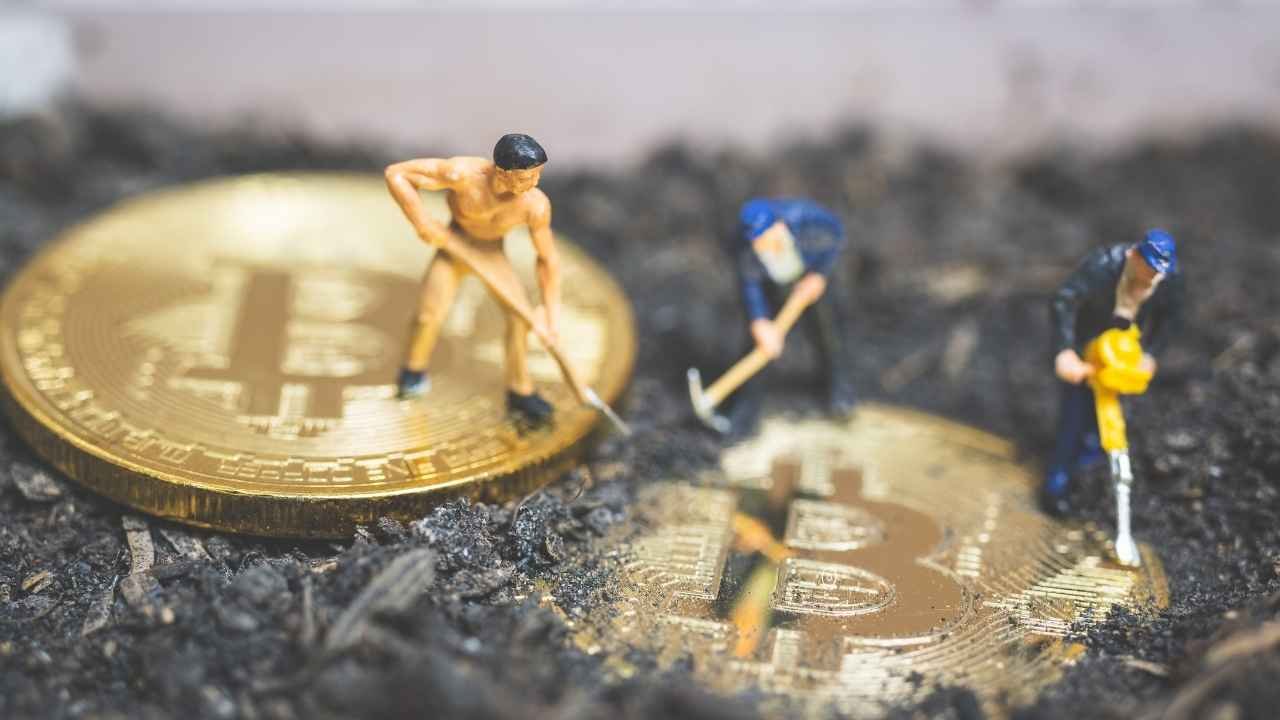
Cryptocurrency mining is the process of making new digital coins and checking transactions on a blockchain network. Miners use powerful computers to solve hard math problems. The first one to solve the problem gets to add a new block of transactions to the blockchain. Miners get new cryptocurrency as a reward for their work, as well as transaction fees from the block they added.
The mining process does two important things: it protects the network by making it hard to change past transactions, and it carefully puts new cryptocurrency into circulation. Most blockchain networks would stop working without miners because they need distributed validators to keep the ledger safe.
Mining with Proof of Work
Bitcoin was the first to use Proof of Work (PoW), which is the most well-known mining method. In PoW systems, miners compete to solve cryptographic puzzles that need a lot of computing power. To keep the rate of block creation steady, the puzzles get harder over time. For example, Bitcoin aims for one block every ten minutes. PoW is safe because it uses a lot of energy, but it is also controversial because of its effects on the environment.
Mining with Proof of Stake
Proof of Stake (PoS) is a different way to mine than the usual way. In PoS systems, validators are chosen to make new blocks based on how much cryptocurrency they own and are willing to “stake” as collateral. This is different from solving math problems. Ethereum switched from PoW to PoS in 2022, which cut down on the amount of energy it used by a lot. PoS uses fewer resources than PoW, but it does come with different security issues and possible centralization risks.
How Mining Works: Step by Step
Understanding the mining process requires knowledge of how transactions are bundled, verified, and added to the blockchain:
| Step | Description |
| 1. Collection | Network nodes broadcast pending transactions that miners collect into a memory pool. |
| 2. Validation | Miners verify each transaction using the blockchain’s rules and check that senders have sufficient funds. |
| 3. Assembly | Valid transactions are bundled together with a reference to the previous block, creating a candidate block. |
| 4. Problem Solving | In PoW systems, miners compete to find a hash value that meets the network difficulty requirement through trial and error. |
| 5. Broadcasting | The winning miner broadcasts the new block to the network for verification and addition to the blockchain. |
| 6. Reward | The successful miner receives block rewards (newly minted cryptocurrency) and transaction fees as incentives. |
Advantages of Cryptocurrency Mining Network Security
Mining is a key part of keeping the blockchain safe. It costs too much to attack the network by rewriting transaction history because of the computational work involved. Changing past transactions would mean doing all the math work again and staying ahead of honest miners at the same time. This gets much harder as the network gets bigger.
Decentralization
Cryptocurrency networks don’t have to rely on central authorities because they spread the mining process out over thousands of people all over the world. This decentralization makes sure that no one person or group can control the network or change transactions. Mining is open to anyone with enough computing power, which helps people get access to money and stops centralization.
Money incentives
Mining is a way to make new cryptocurrencies and give them to people who are part of the network. This system of incentives gives people money for keeping the network infrastructure up and running. Miners also get paid for each transaction, which means they have a steady way to make money that doesn’t rely on outside funding or corporate sponsorship.
Clear and Unchangeable
Mining makes it possible to make a ledger that can’t be changed and is open to everyone. It is almost impossible to reverse transactions once they are recorded and multiple blocks are added on top. This openness, along with cryptographic verification, makes it possible for people to participate in a system without having to trust a central authority.
The risks and problems of cryptocurrency mining include environmental issues.
Mining with Proof of Work takes a lot of energy. Mining Bitcoin alone uses about 120 to 150 terawatt-hours of electricity each year, which is about the same amount of electricity that whole countries use. This energy use is very bad for the environment, especially when it comes to climate change and carbon emissions. More and more miners are using renewable energy sources, but the overall effect on the environment is still up for debate and scrutiny.
Costs of Capital and Operations Are High
To mine cryptocurrencies these days, you need to spend a lot of money on specialized hardware, like ASICs for Bitcoin and GPUs for other coins. Miners need to think about more than just the cost of hardware. They also need to think about the cost of electricity, cooling systems, facility upkeep, and internet access. As mining gets harder, only miners who can take advantage of economies of scale can stay profitable. This makes it harder for individual miners to get started and makes big mining pools more attractive.
Centralization of Mining Pools
As mining becomes harder and more expensive, miners are joining mining pools more and more often. In these pools, they combine their computing power. This makes access more democratic, but it also makes centralization more likely. Some big mining pools have a lot of the network’s hash power. If these pools work together or are hacked, they could theoretically change the network, which would go against one of blockchain’s main benefits.
Profitability and Volatility
Cryptocurrency prices, which are very unstable, affect how profitable mining is. A sudden drop in prices can make mining unprofitable in a matter of hours, especially for businesses that have high fixed costs. Also, the difficulty of mining changes based on how many people are using the network, which means that more competition can quickly cut into profits. These things make mining a dangerous business for people who don’t have enough money or cheap electricity.
Uncertainty in the rules
In many places, mining is in a legal gray area. Some countries have made it illegal or very hard to mine cryptocurrencies, while others have made it easier. Changes in government policy, tax laws, or rules about electricity can have a big effect on mining operations. Miners don’t know what the future regulatory environment will be like, which makes it harder to make long-term investment decisions.
Risks in Technology and Hardware
As technology gets better, mining hardware doesn’t last as long as it used to. ASIC chips that are made for certain cryptocurrencies might not work anymore if the cryptocurrency changes its algorithm. Equipment also has physical risks, such as getting too hot, breaking down, or being stolen. Mining operations also need reliable internet and power supplies. If the infrastructure fails, miners can lose time and rewards.
The Future of Mining Cryptocurrency
The world of cryptocurrency mining is always changing. Adopting Proof of Stake by big networks uses less energy but raises new security issues. Improvements in technology, like chips that use less power and the use of renewable energy, could help with environmental issues. In the meantime, more rules and pressure from the environment could change the mining industry, making it smaller or moving it toward more environmentally friendly ways of reaching agreement.
For people who want to mine, success depends more and more on having access to cheap electricity, cutting-edge hardware, and the ability to work at scale. Before making big investments, people who are thinking about getting into mining should carefully look at the cost of electricity, the availability of hardware, and the state of the market in their area.
In conclusion
Mining cryptocurrencies is a complicated and important part of blockchain technology that helps keep networks safe and spread new coins. Mining has big financial rewards and makes it possible to decentralize, but it also has big problems with environmental impact, capital needs, and regulatory uncertainty. Before starting to mine, people who want to become miners or are interested in cryptocurrencies should carefully think about the pros and cons and their own situation. As the mining industry changes, sustainable mining practices and new technologies will likely shape its future. These changes could make mining easier to do and better for the environment while keeping blockchain security and decentralization.

Digital entrepreneur and content expert I help businesses with AI, SEO and the latest tech trends. I started Silicon Valley Weekly to make complex tech concepts easy to understand and use for business growth. I know a lot about systems and help startups, entrepreneurs and brands navigate the fast-changing world of tech and online marketing.
I build strategies that use data, search optimization, content marketing and AI tools to get visibility, engagement and revenue. I love finding ways for businesses to grow increasing their presence and turning new ideas into successful businesses. My goal is to connect the technology, with practical business use so brands can succeed online.