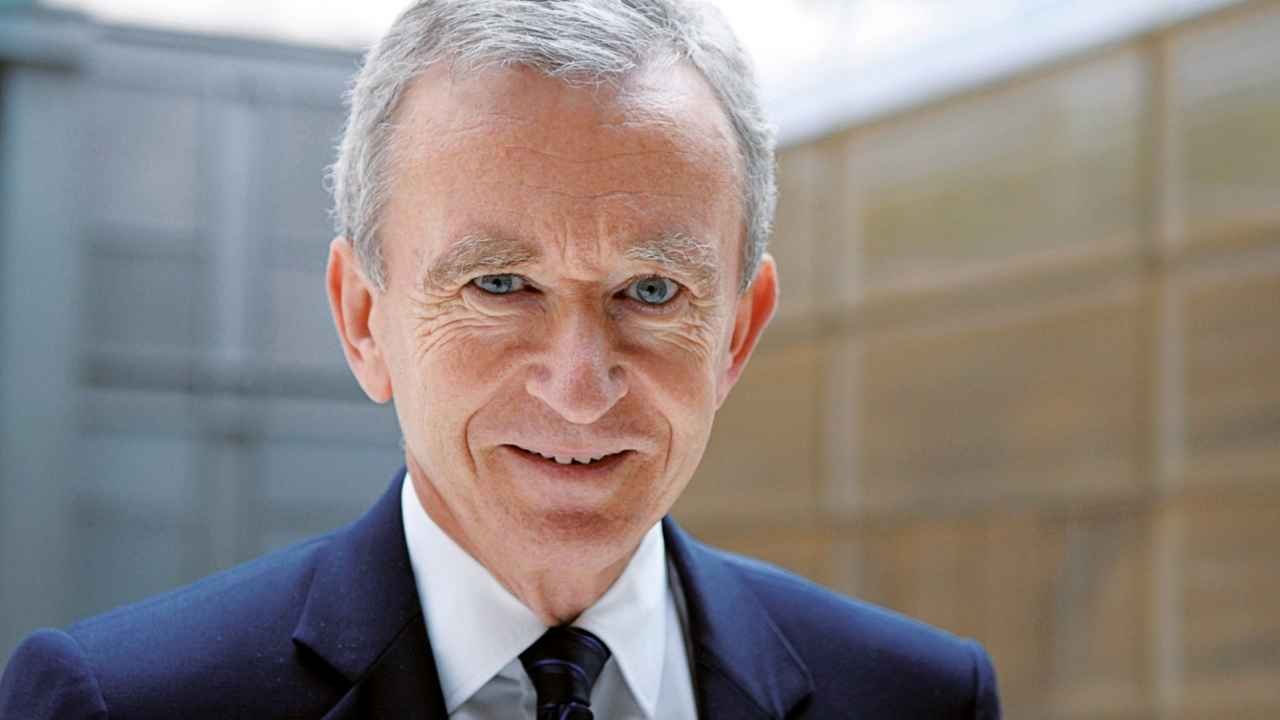
Bernard Arnault, a titan of the global luxury sector, has been at the helm of LVMH (Moët Hennessy Louis Vuitton) for a considerable time. Celebrated for his keen business instincts, strategic purchases, and a deep understanding of luxury branding, Arnault has significantly influenced the contemporary luxury landscape. LVMH, under his guidance, has grown into the world’s largest luxury goods conglomerate, with a portfolio that includes fashion, jewelry, wines and spirits, perfumes, cosmetics, watches, and selective retailing.
Born on March 5, 1949, in Roubaix, France, Bernard Arnault’s upbringing was steeped in entrepreneurship. His father ran a civil engineering firm, providing Arnault with early insights into business operations and financial choices. He later earned a degree from the École Polytechnique, one of France’s most esteemed engineering institutions. Though initially trained as an engineer, Arnault swiftly found his footing in finance and corporate strategy, areas where he would ultimately shine.
His foray into the luxury realm commenced in the mid-1980s. He took control of the ailing textile group Boussac Saint-Frères, which held the reins to the renowned fashion house Christian Dior. Understanding the enduring worth of established luxury brands, Arnault restructured the company, making Dior a central piece of his expanding holdings. This action set the stage for his future approach: acquiring esteemed but struggling brands and breathing new life into them through strong creative direction and rigorous management.
Constructing the LVMH Empire
In 1989, Bernard Arnault became the majority shareholder and CEO of LVMH, following the merger of Louis Vuitton and Moët Hennessy. Over the years, he built LVMH into a behemoth, encompassing over 75 esteemed brands. These include Louis Vuitton, Dior, Fendi, Givenchy, Bulgari, TAG Heuer, Sephora, and Dom Pérignon. Arnault’s strategy marries a reverence for brand legacy with a willingness to innovate. He grants creative directors and brand managers considerable leeway, all while keeping a close eye on the financials.
Leadership Style and Business Philosophy
Arnault is frequently characterized as both detail-oriented and forward-thinking. He views luxury as a product of craftsmanship, rarity, and compelling narratives. His approach prioritizes enduring design, selective distribution, and the cultivation of long-term brand value, rather than mass-market appeal. He’s also known for bringing in prominent creative figures and empowering them to reshape brands for contemporary audiences. This strategy has repeatedly positioned LVMH as a leader in the ever-evolving world of fashion and luxury.
Wealth and Global Reach
Bernard Arnault’s remarkable success with LVMH has consistently placed him among the world’s richest people. His impact reaches well beyond the business realm, touching art, culture, and charitable endeavors. A significant supporter of the arts, he established the Fondation Louis Vuitton in Paris, a contemporary art museum and cultural hub, demonstrating his dedication to both creativity and the preservation of cultural history.
Family and Future Leadership
Arnault’s leadership style is deeply rooted in family, with many of his children occupying significant positions within LVMH’s various brands and departments. This has sparked ongoing conversations about the company’s future leadership, suggesting that Arnault sees LVMH as a legacy to be passed down through generations, not just a fleeting corporate achievement.
Legacy
Bernard Arnault’s enduring impact stems from his knack for blending the old with the new. He elevated LVMH to a global icon of luxury, establishing new benchmarks for how luxury brands are run, promoted, and expanded across the globe. As LVMH’s CEO, Arnault continues to play a pivotal role in shaping the luxury sector’s future, demonstrating that foresight, perseverance, and strategic planning can create one of the most formidable business empires of our time.
Digital entrepreneur and content expert I help businesses with AI, SEO and the latest tech trends. I started Silicon Valley Weekly to make complex tech concepts easy to understand and use for business growth. I know a lot about systems and help startups, entrepreneurs and brands navigate the fast-changing world of tech and online marketing.
I build strategies that use data, search optimization, content marketing and AI tools to get visibility, engagement and revenue. I love finding ways for businesses to grow increasing their presence and turning new ideas into successful businesses. My goal is to connect the technology, with practical business use so brands can succeed online.