The boundary between our real and digital worlds is continually becoming more fluid. Science fiction is increasingly becoming fact and so is transforming the way that we interact, work and educate and our relationship with the environment. Spatial computing, alongside new computer chips and smart technology, are key to this transformation. These in combination are enabling us to construct a complex, lively and context sensitive digital space.
Furthermore, as artificial intelligence continues to progress, so too is the manner in which we interact with computer technology. People are now engaging with it in ways beyond just using computer displays.
Spatial Computing
Spatial computing is an innovative area of computing which allows people to interact with technology in new ways. Whereas typically we use computers, tablet computers and 2D displays to interact with technology, spatial computing allows digital technology to interact with the real world. Digital technology can now be made to ‘live’ within the real world by incorporating technologies including; augmented, virtual and mixed reality, alongside artificial intelligence and computer vision.
Specialist hardware, such as Apple Vision Pro and Meta Quest, demonstrates the effect that interactive technology can have. Individuals are able to use simple interfaces to interact with digital displays and 3D objects and even to enter digital worlds. Therefore, spatial computing facilitates effortless interaction with digital technology through both hand and environmental interaction.
Although there will be benefits for the entertainment industry in utilising spatial computing, the greater opportunities lie in other areas. Healthcare professionals can examine 3D representations of patients, architects can explore and modify their building designs and industrial engineers can examine digital models of intricate machinery. Furthermore, interactive digital technology can also be utilised within education in order to more effectively convey challenging information through physical interaction.
Alongside the value of digital goods, price, ease of use and data protection will all be crucial factors affecting the level of take-up of this technology.
Next Generation Computer Chips
Advanced computer chips underpin the digital experiences possible through spatial computing. They support the vast amounts of data that is produced by cameras, sensors, AI and other digital technology.
Whilst previously computers mainly executed generic computing functions, current technological needs often necessitate computer chips that can simultaneously carry out a wide range of functions, including image processing and machine learning as well as being energy efficient.
Leading companies including NVIDIA, Qualcomm, Intel and Apple are innovating within this area and providing computer chips, graphics and AI specific computer hardware.
There is also a growing emphasis on incorporating AI functionality directly onto computer chips. Rather than constantly transmitting data to remote computer cloud-centres, contemporary computer chips increasingly analyse and analyse data at source. Benefits include improved speed and data security as less data has to be shared.
Within spatial computing, the ability of computer chips to analyse and assess data is highly valuable. Smart headsets and smart glasses, for example, must consistently analyse, recognise and monitor their environment, and then effectively overlay digital material. Response time is crucial in order for such technology to function efficiently.
Computer chip manufacturers are therefore striving to produce computer chips which are not only more powerful but also more energy efficient and less thermally intense. Future smart devices and even self-driving cars are likely to be influenced by such innovations.
Smart Devices
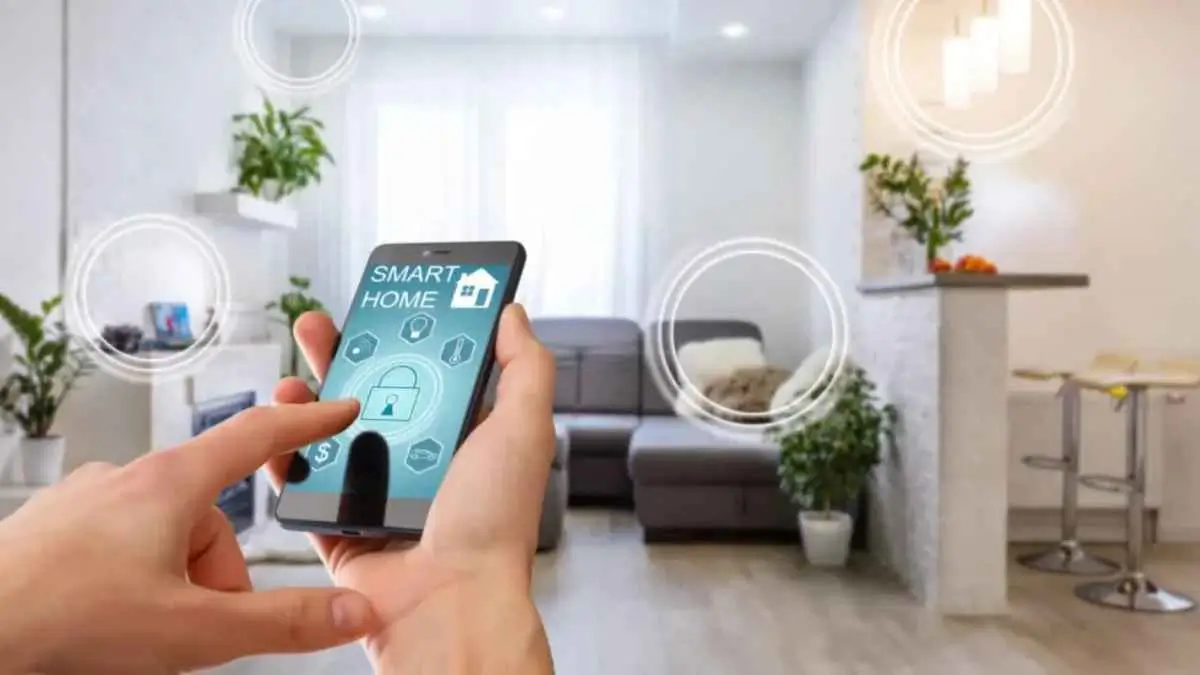
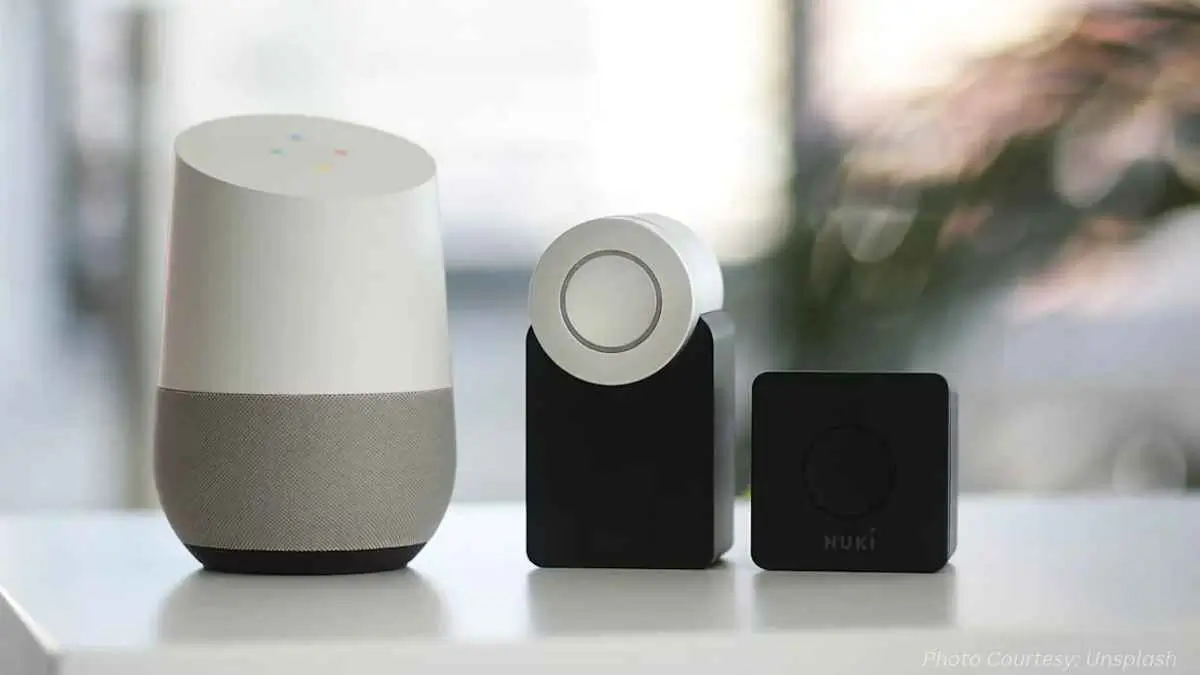
In recent years, ‘smart’ technologies have evolved and are now key components. These include smartphones, smartwatches, smart-headphones together with smart home, security and car technologies. Although smart devices will inevitably be interlinked in the future, it will be an understanding of context which sets them apart. Artificial intelligence can therefore assess and even anticipate peoples requirements and enable common processes to be automated. For example, a smart home can then autonomously regulate a property’s lights, temperature and security based on who is there and people’s typical behaviours.
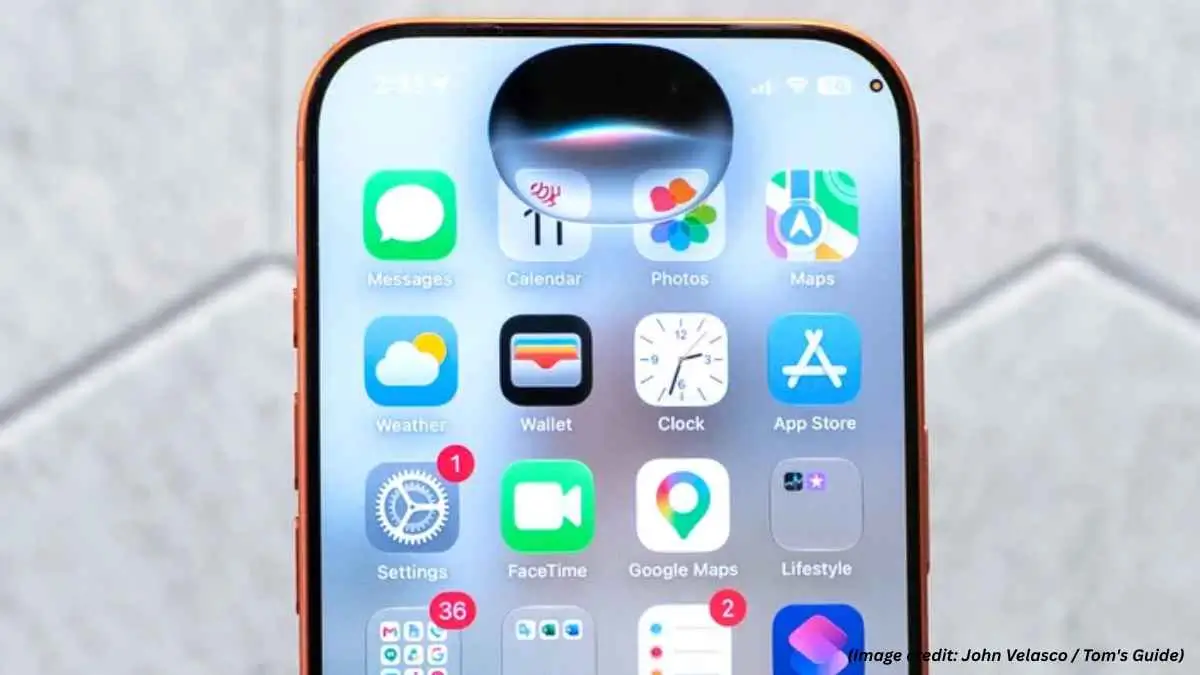
Furthermore, smart devices can assess people’s behaviour. Increasingly, smartphones are also becoming the main ‘smart’ device for interacting with digital interlinking. The combination of AI and IoT is creating innovative opportunities for greater autonomy and personalisation. Spatial computing will also increase interaction with smart interlinking.
In the future, we may even be able to interact with our smart home, retrieve information and control digital provision through hand and voice movements together with interacting with context aware technology. However, alongside improved interlinking, there are concerns regarding data security, data proprietorship and reliance on digital technologies. Building and maintaining trust will be essential in order to continue to successfully utilise smart interlinking.
Combining Innovations
Real innovation can also be generated by combining spatial technology, microchips and smart devices. Smart glasses can both analyse and understand a person’s surroundings and subsequently display relevant digital information. These can also seamlessly link to other nearby smart devices. Computer microchips can then also analyse data and using artificial intelligence, relevant info can be recommended.
Digital technology can therefore effectively become an extension of our real world. Identical situations can occur in several other sectors for example; retail, manufacturing, transport, healthcare and education. Digital twins can even create digital versions of real world objects.
Businesses can then investigate the performance of these objects, identify where enhancements can be made and experiment with fresh methods in a digital environment before implementing them into the real world. Consequently, through the combination of these technological advances, individuals can interact with digital technology not only on computers, but also within their real world environment.
Challenges to Overcome
Although there are many benefits provided by this type of technology, at present there are various factors which prevent it from being even more widely used. These include expense, data storage, computing and data security and lack of standardisation of digital products. Moreover, it has been questioned whether the general population really requires such highly interactive digital technology.
In addition to developing novel and creative products, technology firms must also successfully communicate the advantages an item can provide. Furthermore, both moral and transparent data practices are important. As some smart technology can continually analyse an individual’s real world surroundings, good data security is especially crucial.
Conclusion
Spatial computing, computer chips and smart devices are not discrete innovations. Rather, they are linked and are all contributing to the development of next generation digital technology.
As computer chips improve, artificial intelligence develops and smart devices become ever smarter, the nature of our physical and digital engagement will continue to develop.
Whilst future digital technology will strive to become even quicker and more compact, its key aspiration should be to become more instinctive, smart and well-merged into our lives.
Those companies that successfully merge highly functioning hardware, valuable digital software and human-focused digital experiences are likely to play a leading role in this new digital age. Undoubtedly, the coming developments have the potential to radically alter not only how we engage with computers, but also our whole world.

Digital entrepreneur and content expert I help businesses with AI, SEO and the latest tech trends. I started Silicon Valley Weekly to make complex tech concepts easy to understand and use for business growth. I know a lot about systems and help startups, entrepreneurs and brands navigate the fast-changing world of tech and online marketing.
I build strategies that use data, search optimization, content marketing and AI tools to get visibility, engagement and revenue. I love finding ways for businesses to grow increasing their presence and turning new ideas into successful businesses. My goal is to connect the technology, with practical business use so brands can succeed online.